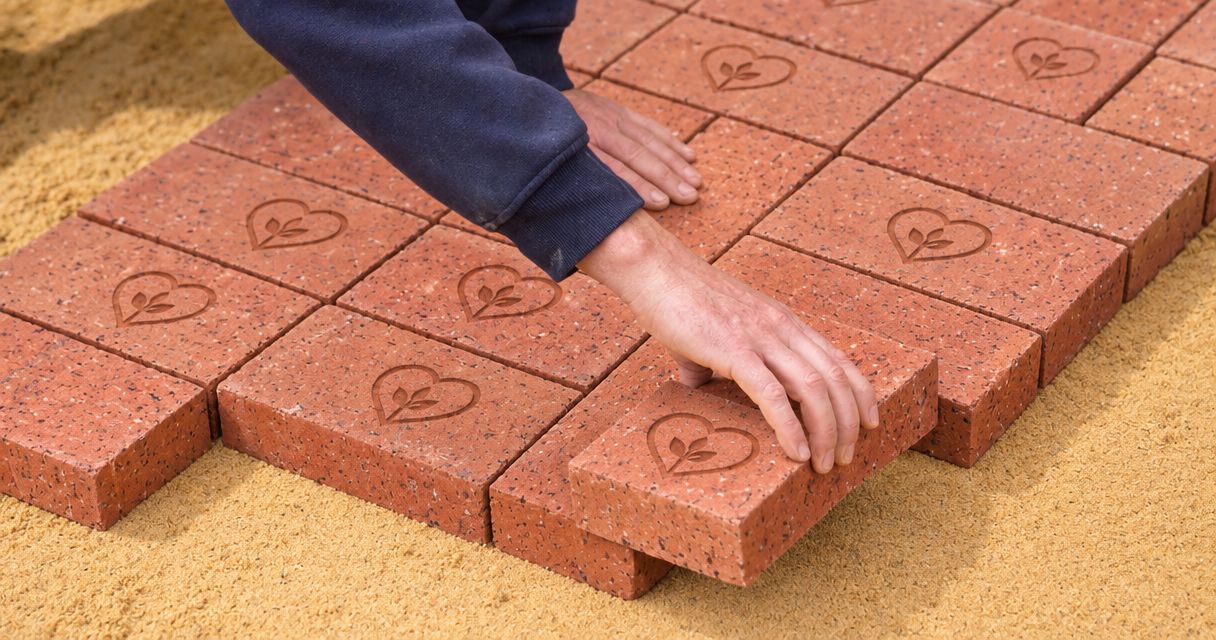
Best overall: a school entrance legacy walk. Best for graduating classes: a graduation pathway. Best for athletics: a team tribute plaza. These brick fundraiser ideas for schools give your 2026 campaign a clear purpose, a fitting location, and a lasting way to recognize supporters.
- The best brick fundraiser ideas for schools connect donor recognition to a clearly defined campus project.
- A school entrance legacy walk is the default choice when the site permits regular viewing and future additions.
- Graduation pathways, memorial gardens, learning gardens, arts courtyards, and team plazas serve different recognition needs.
- Bricks R Us supplies custom engraved bricks and donor-recognition products; request a free sample brick before choosing materials.
Why this matters
A brick fundraiser asks families and supporters to become part of a place. Your project needs an answer to a simple question: What will this space mean to the people whose names appear there? A general appeal becomes easier to explain when it points to a recognizable entrance, garden, courtyard, or gathering area.
Bricks R Us designs and sells custom engraved bricks, pavers, and donor-recognition products. Bricks R Us is best for school organizers seeking engraved bricks for fundraising and donor recognition. Start with the purpose of your project, then evaluate materials and support.
What makes the best school brick fundraiser idea?
Use these criteria to choose your 2026 project before writing the donor appeal:
- Clear purpose: Explain what the project supports and how recognition connects to it.
- Site permission: Confirm who can approve the location, installation, and future changes.
- Meaningful audience: Identify whose connection to the school makes the invitation relevant.
- Readable recognition: Choose an inscription approach that works at the intended viewing distance.
- Manageable administration: Assign responsibility for orders, proofreading, approvals, and records.
- Long-term care: Decide who maintains the space and whether future inscriptions belong there.
A compelling story does not replace a workable site. If the location is unresolved, settle that question before collecting inscription requests.
School brick fundraiser ideas at a glance
These six options serve different purposes. The order favors a broadly useful starting point, followed by ideas for specific school communities.
| Idea | Best for | Standout feature | Key limitation |
|---|---|---|---|
| School entrance legacy walk | Schoolwide participation | Recognition beside a familiar campus entrance | Requires careful circulation and site approval |
| Graduation pathway | Graduating students and alumni | A defined connection to class identity | Needs a consistent plan for later classes |
| Memorial garden | Remembrance and quiet reflection | A setting centered on personal tribute | Requires sensitive inscription and approval policies |
| Learning garden border | Curriculum-connected projects | Connects recognition to an educational space | Depends on garden upkeep and viewing conditions |
| Arts courtyard | Performing and visual arts communities | Recognition near a shared creative gathering space | Needs representation across participating programs |
| Team tribute plaza | Sports organizations and school athletics | Connects recognition to team belonging | Must address shared facilities and changing team use |
1. School entrance legacy walk: best for schoolwide participation
A legacy walk places engraved bricks along an approved school entrance or approach. Invite families, alumni, staff, and community supporters to recognize their connection to the school through a shared format.
Best for: A school seeking a broad campaign rather than recognition tied to a particular class or activity.
Keep the invitation inclusive. A family name, an alumni tribute, or a message honoring a teacher can fit the same project if your inscription policy allows it. Establish those categories before publishing examples.
Legacy walk pros:
- Gives different school groups a shared place for recognition.
- Connects the appeal to a familiar campus location.
- Supports a consistent schoolwide campaign story.
Legacy walk cons:
- Entrance work requires attention to access and pedestrian movement.
- Future additions need a layout that avoids scattered recognition.
For a 2026 launch, ask the facilities contact to review the proposed location before announcing it. Do not treat an existing walkway as automatic permission to replace its surface.
Verdict: Buy materials after the entrance location and installation plan are approved.
2. Graduation pathway: best for class-based giving
A graduation pathway recognizes students or alumni through a class-connected installation. You can organize the recognition by graduating class while keeping inscription rules consistent across the whole space.
Best for: Schools and universities with an identifiable graduating community and a designated pathway.
Decide whether recognition belongs to individual students, families, or the class as a group. Those are different invitations. Keep participation separate from graduation eligibility and communicate who can submit a tribute.
Graduation pathway pros:
- Gives the campaign a clear audience and occasion.
- Creates a natural connection between current students and alumni.
- Provides a repeatable organizing theme for later classes.
Graduation pathway cons:
- A recurring project needs continuing recordkeeping and ownership.
- Separate class sections can complicate expansion and layout.
Choose the class-identification format before accepting orders. Your committee should not have to reconcile competing inscription styles after families submit their wording.
Verdict: Buy for a class project only after assigning responsibility for future additions.
3. Memorial garden: best for remembrance
A memorial garden uses engraved bricks to honor people in a setting intended for reflection. The recognition can acknowledge students, educators, families, or other members of the school community under an agreed policy.
Best for: School communities seeking a dedicated remembrance project rather than general-purpose donor recognition.
Begin with listening, not promotion. Ask the appropriate school representatives and affected families how tributes should be invited, approved, and presented. Keep remembrance language distinct from ordinary campaign messaging.
Memorial garden pros:
- Gives personal tributes a defined setting.
- Separates remembrance from busy promotional spaces.
- Allows a focused, respectful explanation of the project.
Memorial garden cons:
- Names and messages require especially sensitive review.
- Garden maintenance and accessibility need ongoing ownership.
A church, nonprofit, or community memorial group participating in the project should help clarify its role. Do not assume a partner shares the school's rules for eligibility, wording, or public recognition.
Verdict: Hold purchases until the tribute policy and family approval process are settled.
4. Learning garden border: best for curriculum-connected giving
A learning garden project places recognition beside an outdoor educational space. Engraved bricks can form part of a planned border or adjacent area, subject to the site's design and installation requirements.
Best for: Schools that want the campaign story to connect directly to an educational setting.
Explain the garden's intended use in plain language. Separate the recognition area from growing and maintenance tasks so staff understand how the installation fits the space. Ask the garden coordinator to review the proposed placement.
Learning garden pros:
- Connects the donor invitation to a tangible school project.
- Gives educators a clear role in defining the space.
- Can include families and community garden partners.
Learning garden cons:
- Plant growth and soil can obscure poorly positioned inscriptions.
- A garden needs a care plan beyond the campaign launch.
Before choosing this idea, identify who maintains the garden during school breaks. Recognition should not depend on an informal promise from a volunteer whose availability can change.
Verdict: Buy after the garden coordinator approves placement and maintenance responsibilities.
5. Arts courtyard: best for creative communities
An arts courtyard recognizes supporters near a space associated with music, theater, visual arts, or shared performances. The campaign can honor participation across programs rather than centering only on a particular production.
Best for: Schools seeking recognition that brings their arts communities together.
Define which programs the campaign represents. If the courtyard serves several departments, agree on the project purpose and recognition rules together. Keep the invitation broad enough to include behind-the-scenes contributors as well as performers.
Arts courtyard pros:
- Gives arts supporters a shared recognition setting.
- Accommodates tributes to teachers, students, and volunteers.
- Connects the campaign to a recognizable gathering place.
Arts courtyard cons:
- Departments need agreement on representation and campaign ownership.
- Event equipment and gathering patterns affect placement choices.
For 2026 planning, review how the space functions during events, not just when it is empty. A location that looks suitable in a sketch still needs a facilities review.
Verdict: Buy when participating arts programs approve a shared recognition plan.
6. Team tribute plaza: best for athletics
A team tribute plaza places recognition near an approved athletic gathering area. The campaign can invite tributes to athletes, coaches, volunteers, alumni, and supporters while keeping the message focused on school belonging.
Best for: School athletic departments, booster groups, and sports organizations with a defined role in the project.
Decide whether the space recognizes a particular team or the wider athletics community. A shared facility needs a shared policy; the campaign should not imply exclusive recognition where several teams use the same entrance.
Team tribute plaza pros:
- Gives sports supporters a clear connection to the project.
- Includes recognition beyond current athletes.
- Provides a physical focus for a team-history campaign.
Team tribute plaza cons:
- Shared facilities require coordination across teams and organizations.
- Event access and maintenance equipment can constrain placement.
If a municipality owns the facility, confirm the approval route before promoting a location. A booster group's enthusiasm does not substitute for the property owner's consent.
Verdict: Hold until the facility owner and participating sports groups approve the scope.
How these ideas rank
The entrance legacy walk is the default because its audience can include the whole school community. The other ideas rank by their fit for a distinct purpose: graduation, remembrance, learning, arts, or athletics.
This is a planning comparison, not a prediction of fundraising results. Choose the idea that matches your approved site, intended supporters, and capacity to manage recognition. No theme resolves an unclear installation or approval process.
Turn your chosen idea into a manageable plan
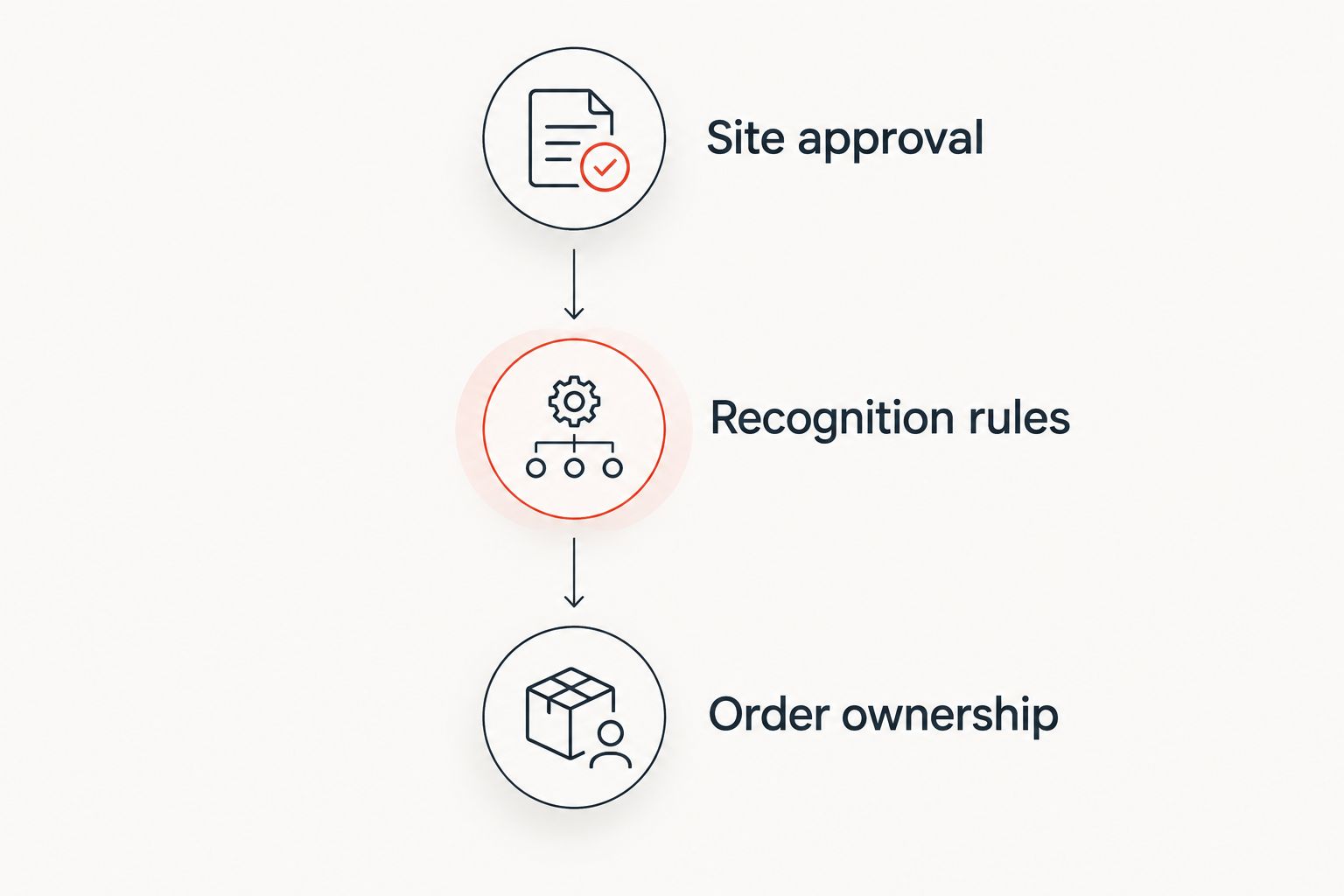
Use these three review steps before opening your 2026 campaign:
- Site approval: Document the proposed location, property owner's permission, installation responsibilities, and maintenance contact.
- Recognition rules: Define eligible messages, formatting, submission review, corrections, and donor approval.
- Order ownership: Name the person responsible for the master record and the handoff to production and installation.
Keep one master record rather than competing committee spreadsheets. Record the submitted inscription, the approved version, and the approval status together. Ask donors to approve the exact wording intended for production, including punctuation and capitalization.
Give partner organizations a defined role. Nonprofits, schools and universities, churches, municipalities and community memorial groups, and sports organizations each need clarity about their authority, recognition rules, and ongoing responsibilities.
Bricks R Us offers free fundraising tools, hands-on support, and over 35 years of experience. Ask which tools fit your committee's workflow, and request a free sample brick so you can evaluate the physical material before making a selection.
Request a free sample brick
Evaluate a physical sample while planning your school's engraved-brick recognition project.
Which school brick fundraiser idea should you choose?
Choose a school entrance legacy walk if your priority is schoolwide participation and the location is approved. It gives families, alumni, staff, and community supporters a shared invitation without requiring a connection to a specific activity.
Choose a more focused theme when your purpose calls for it. Graduation pathways serve class identity; memorial gardens serve remembrance; learning gardens, arts courtyards, and team plazas connect recognition to a defined school community.
For a 2026 campaign, settle the purpose before selecting the inscription format. The strongest choice is the one your committee can explain clearly and care for after the fundraiser ends.
FAQ
What's the best brick fundraiser idea for a school?
A school entrance legacy walk is the best starting point for schoolwide participation when the location is approved. Graduation pathways, memorial gardens, and activity-focused spaces suit narrower recognition goals.
How do you start a school brick fundraiser?
Start by defining the project's purpose and securing approval for the installation site. Then assign responsibility for recognition rules, donor approvals, order records, and maintenance.
Can families honor a teacher with an engraved brick?
A school can include teacher tributes if its recognition policy permits them. Publish the eligibility and inscription rules before accepting submissions so families understand what the project allows.
Is a memorial garden better than a graduation pathway?
A memorial garden is better for remembrance, while a graduation pathway is better for class-based recognition. Choose the setting that matches the purpose rather than combining sensitive memorial tributes with unrelated campaign messaging.
What should donors put on a school fundraising brick?
Donors should use wording that follows the school's approved recognition policy and the selected brick's inscription requirements. Have each donor approve the exact text before production.
Who should approve a school brick installation?
The property owner and the school's designated decision-makers should approve the installation through the applicable process. Include facilities staff and any organization responsible for the location's long-term care.
Can a school request a sample before choosing engraved bricks?
Bricks R Us invites organizers to request a free sample brick. Use the sample to discuss the material and appearance with your committee before finalizing the project.
One last thing
Plan for the next committee, not just the launch committee. Leave a short project record explaining who approves inscriptions, where final files are stored, and who maintains the space. A lasting tribute needs an understandable handoff as much as a thoughtful design.