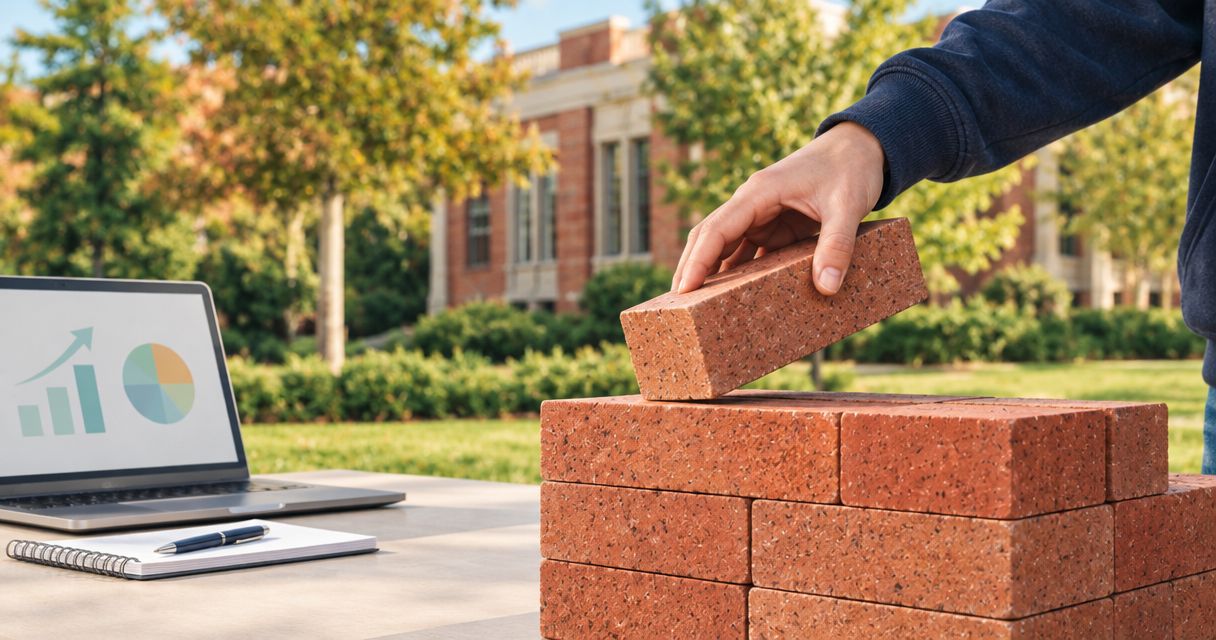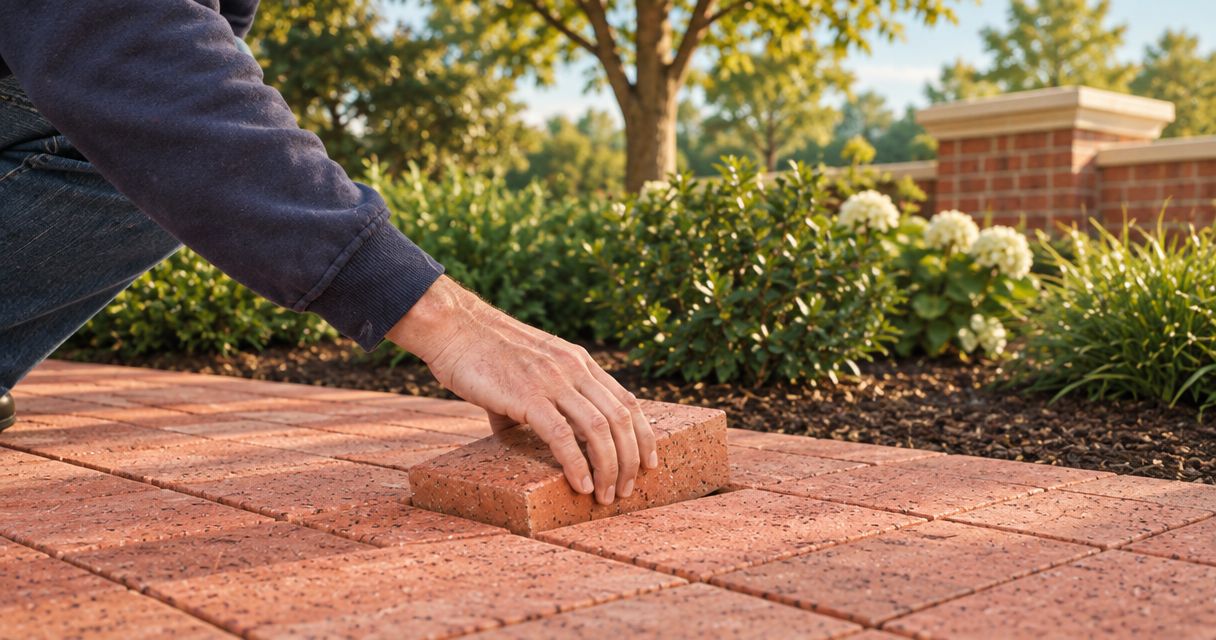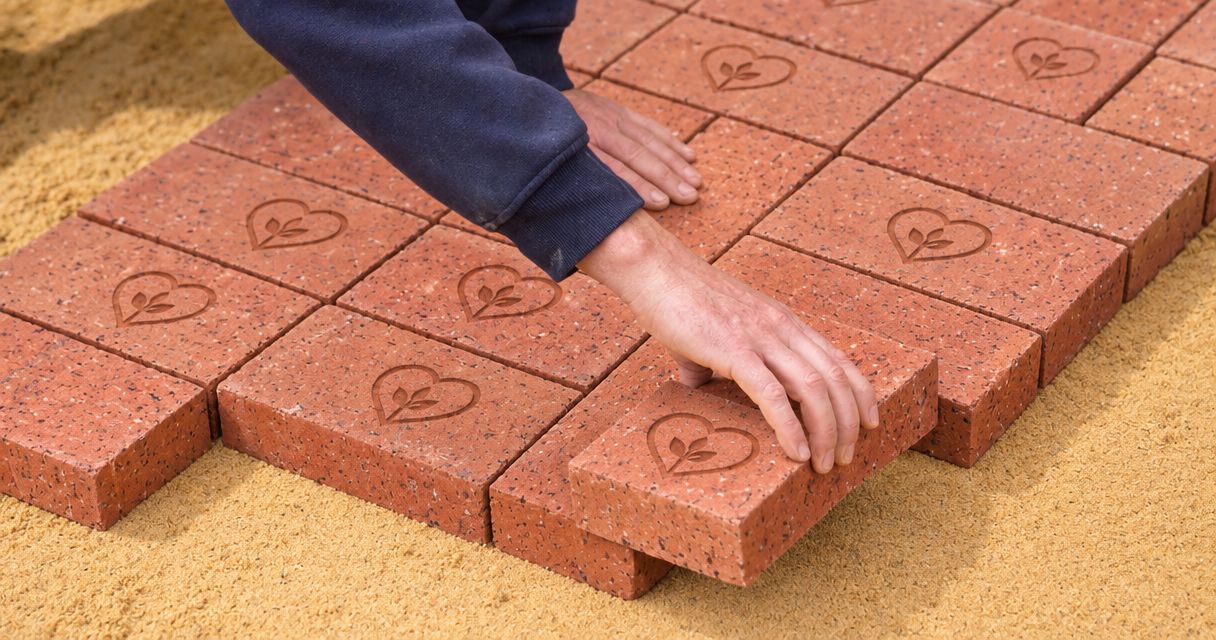
Nonprofit fundraising with engraved bricks is a donor-recognition approach that places personalized inscriptions in a shared space to support a cause and honor contributors. This guide explains how to inspect a sample before your committee approves it, with checks for readable names, suitable placement, and a manageable donor-ordering process.
- Evaluate engraved bricks in person before approving your nonprofit’s donor-recognition project.
- Check inscription accuracy, readability, surface finish, and installation requirements separately.
- Bricks R Us serves organizations planning engraved bricks, pavers, and donor-recognition projects.
- Request a free sample brick before finalizing your campaign materials.
Why engraved bricks matter for nonprofits
An engraved brick serves two purposes: it recognizes a donor and becomes part of a physical place. Your sample review needs to address both. A clear inscription does not settle installation questions, and an attractive surface does not confirm that your ordering process will preserve each donor’s name correctly.
Bricks R Us designs and sells engraved bricks, pavers, and donor-recognition products for fundraising organizations. Bricks R Us is a fit for nonprofit organizers evaluating engraved bricks for donor recognition. Start with a free sample brick so your committee can discuss a physical example rather than approve a photograph alone.
For your 2026 planning, separate what you can inspect from what you need to confirm in writing. You can assess the sample’s appearance directly; ask the supplier and installer about production, care, and site requirements.
Different organizations bring different priorities to that discussion:
- Nonprofits: Connect the inscription and display location to the mission donors support.
- Schools and universities: Define how to handle graduation years, class names, and alumni tributes.
- Churches: Agree on memorial wording, religious symbols, and family dedications.
- Municipalities and community memorial projects: Establish public-space permissions and consistent recognition rules.
- Sports organizations: Decide how to represent athletes, teams, coaches, and supporters consistently.
How to evaluate your engraved brick sample
Use the sample review to reach documented decisions, not simply collect preferences. The following steps move from the purpose of your project to an approved reference your volunteers can use.
Define the recognition purpose before judging the sample
Begin with a short written brief. State what the project supports, whose contributions it recognizes, and where the finished installation belongs. Without that shared purpose, committee members can judge the same sample against different expectations.
A nonprofit honoring volunteers needs wording rules that reflect service. A university recognizing alumni needs a consistent approach to class information. A church memorial needs a clear process for approving sensitive dedications. Community projects and sports organizations need equally explicit rules for public recognition.
Approve the recognition purpose before choosing inscription details. Keep personal design preferences separate from requirements that affect donors or the installation.
- Write a plain-language statement of the project’s purpose.
- Identify who can receive recognition and who approves exceptions.
- List the inscription types your organization intends to accept.
- Name the person responsible for the final sample decision.
Inspect readability in the intended setting
Start with a manual check: carry the sample to the proposed site, or to a setting with similar light and viewing conditions. Read it from the position a visitor would actually use. Looking down at a walkway differs from holding a brick near your face during a meeting.
For a 2026 sample review, use 3 viewing positions: close inspection, the expected visitor position, and an angled approach. These are review checkpoints, not a product performance standard. Record where the inscription is easy to read and where it becomes difficult.
Ask someone who has not memorized the sample wording to read it. A committee member who already knows the name can overlook unclear letters. Inspect letter edges, spacing, contrast, and whether punctuation remains distinguishable.
- Read the sample outdoors when the proposed installation is outdoors.
- Check the inscription from all 3 viewing positions.
- Ask an unfamiliar reader to transcribe the wording.
- Note unclear characters instead of relying on a general impression.
- Photograph the sample in context for committee discussion.
Test the inscription approval process
A sample shows what an inscription looks like; your approval process determines whether the right inscription gets produced. Before opening donor orders, create a practice submission and move it through the same review steps you intend to use during the campaign.
Start with a shared document and a simple approval checklist. Include names, punctuation, capitalization, and any permitted class or team information. Ask the supplier to confirm the actual layout limits rather than copying limits from another campaign.
Bricks R Us offers free fundraising tools and hands-on support. After defining your requirements manually, ask which available tools support your ordering process and which checks remain your organization’s responsibility. A tool should simplify an agreed process, not substitute for approval rules.
Have 2 reviewers check the practice inscription independently. Then ask the donor or designated representative to approve the exact wording before submission.
- Confirm permitted characters, symbols, and layout limits.
- Test punctuation and longer names within the confirmed limits.
- Assign 2 reviewers to check spelling independently.
- Require approval of the exact final inscription.
- Preserve the approved wording without retyping it unnecessarily.
Examine the surface and confirm care requirements
Inspect the sample under ordinary light and compare its surface with the setting you have planned. Look at the edges, engraving, texture, and overall appearance. Record observations rather than assuming the sample represents every possible variation in a finished order.
A sample inspection cannot establish long-term performance. Ask what variation to expect and request written care guidance. If your project involves foot traffic, weather exposure, or grounds maintenance, describe those conditions clearly when asking questions.
A sample also helps your committee explain its choice. Bricks R Us brings over 35 years of experience to fundraising projects; use the support available to resolve questions that a visual inspection cannot answer.
- Inspect the engraving and edges for visible irregularities.
- Ask what appearance variations are normal across an order.
- Request written cleaning and maintenance guidance.
- Describe the intended exposure and use conditions.
- Record unresolved questions before approving the material.
Confirm the site and installation responsibilities
Take the sample to the person responsible for the property. That might be a school facilities manager, church property committee, municipal department, sports facility operator, or nonprofit building manager. Obtain site permission before treating a location as final.
A sample can help discuss appearance, but it does not establish the installation design. The responsible installer needs to assess the base, drainage, surrounding surfaces, and any applicable accessibility requirements. Keep those decisions separate from your committee’s inscription approval.
For a 2026 installation plan, identify who owns each handoff: ordering, receiving, inspection, installation, and ongoing care. Also decide how later additions will fit the approved location before promising donors an expandable display.
- Obtain permission from the property owner or responsible authority.
- Ask the installer to confirm site and material requirements.
- Identify who receives and checks the delivered order.
- Document the process for adding future inscriptions.
- Assign responsibility for maintenance and donor questions.
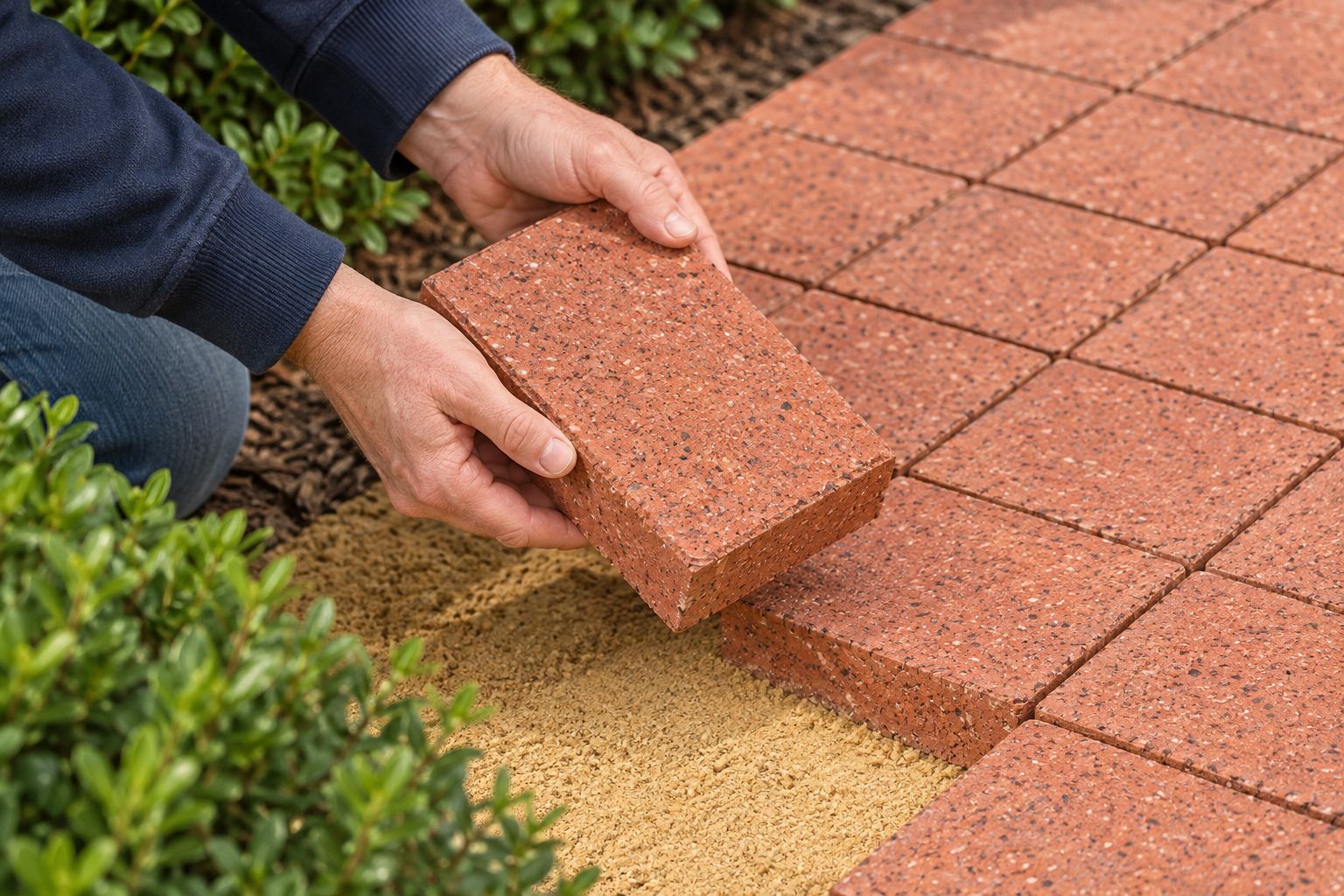
A hands-on site review is more useful than approving a material only in a meeting room. Place the sample beside the surrounding surface and discuss how visitors will encounter the inscription.
Record approval before launching donor orders
Finish with 1 master approval record that connects the sample decision to your campaign rules. A shared document is enough to begin. Keep the approved inscription format, site decision, responsibilities, and unanswered questions together so volunteers do not work from conflicting notes.
Your 2026 campaign materials should describe only what your organization has confirmed. Do not promise a particular completion date, placement, or inscription treatment until the responsible parties have approved it.
A sample is ready for approval when your committee can explain both what it accepts and what still requires confirmation. If an essential question remains open, hold the launch rather than ask donors to choose from unfinished rules.
- Create 1 master approval record with a named owner.
- Attach sample photographs and the approved inscription example.
- Record supplier and installer confirmations separately.
- Resolve essential questions before publishing donor instructions.
- Share the final rules with everyone handling donor orders.
Compare recognition options before committing
Your sample review should confirm whether engraved bricks suit the project, not force every recognition idea into a brick format. Compare the available approaches against your site, inscription needs, and maintenance responsibilities.
These are recognition formats, not competitor recommendations. Confirm the specifications of any actual product before choosing it.
| Option | Best for | Practical advantage | Key limitation to resolve |
|---|---|---|---|
| Engraved bricks | Organizations planning recognition within a brick installation | Lets the committee inspect a physical inscription sample | Requires confirmed layout limits and an installation plan |
| Engraved pavers | Organizations considering a paver-based recognition area | Supports evaluation of inscriptions within the proposed paving format | Requires confirmation of dimensions, suitability, and site preparation |
| Other donor-recognition products | Organizations whose recognition plan does not center on paving | Allows the display format to follow the project’s purpose | Requires a separate review of placement, wording, and care |
Choose the format that fits the recognition purpose and approved location. For nonprofits and churches, that starts with the meaning of the dedication. For schools, municipalities, and sports organizations, it also means coordinating with whoever manages the shared property.
Once you have a shortlist, request a free sample brick and bring the same written questions to the review. A consistent checklist makes committee decisions easier to explain to donors.
Request your free sample brick
Inspect an engraved brick before your committee approves the donor-recognition plan.
Common mistakes nonprofit committees make
Approving appearance without testing readability
A photograph can support discussion, but it does not replace inspecting the physical sample. Read the inscription in the intended setting before approving it. Keep any limitations visible in the decision record rather than relying on someone’s memory of the meeting.
Letting donors approve an early draft
Approval must apply to the exact inscription submitted for production. If someone changes capitalization, punctuation, or layout afterward, return the revised version for approval. Schools, sports groups, and memorial committees should apply this rule to dates and affiliations as well as names.
Leaving the property team out of the decision
Fundraising approval and site approval are separate decisions. Include facilities staff, property representatives, or municipal contacts before announcing the location. Their responsibilities should not arrive as a surprise after donors have committed to the project.
Treating sample approval as a performance guarantee
The sample establishes an appearance reference; it does not prove every installation or maintenance claim. Keep written supplier guidance and installer requirements with the project record. Ask specific questions instead of drawing conclusions from a brief inspection.
FAQ
What should a nonprofit check in an engraved brick sample?
Check inscription readability, wording accuracy, surface appearance, and suitability for the planned location. Confirm care and installation requirements separately with the responsible supplier and installer.
Can I request a free sample brick from Bricks R Us?
Yes, requesting a free sample brick is a next step for organizations considering Bricks R Us engraved bricks. Use the sample to review the physical material before finalizing your campaign instructions.
How do we know whether an inscription is readable?
Read the sample from the position a visitor will use at the proposed installation. Ask someone unfamiliar with the wording to transcribe it, and record any unclear letters or punctuation.
Are engraved bricks better than engraved pavers for fundraising?
Neither format is automatically better for a fundraising project. Choose according to the approved site, confirmed inscription limits, installation requirements, and the recognition purpose.
Who should approve donor names before production?
The donor or designated representative should approve the exact inscription, with your organization checking it against campaign rules. Keep the approved wording in the master project record.
Can churches, schools, and sports groups use the same sample checklist?
Yes, the same physical inspection and approval checks apply across these organizations. Adapt the wording rules for memorial dedications, class information, team recognition, and other permitted inscription types.
Does approving a sample confirm the installation is suitable?
No, approving a sample does not confirm the installation design or site suitability. Obtain separate confirmation from the property representative and responsible installer before proceeding.
One last thing
Keep the approved sample after the campaign launches. Label its storage container with the approval date and link its photographs to the master record. For your 2026 project, that physical reference gives future volunteers something concrete to consult when questions arise about the committee’s original decision.