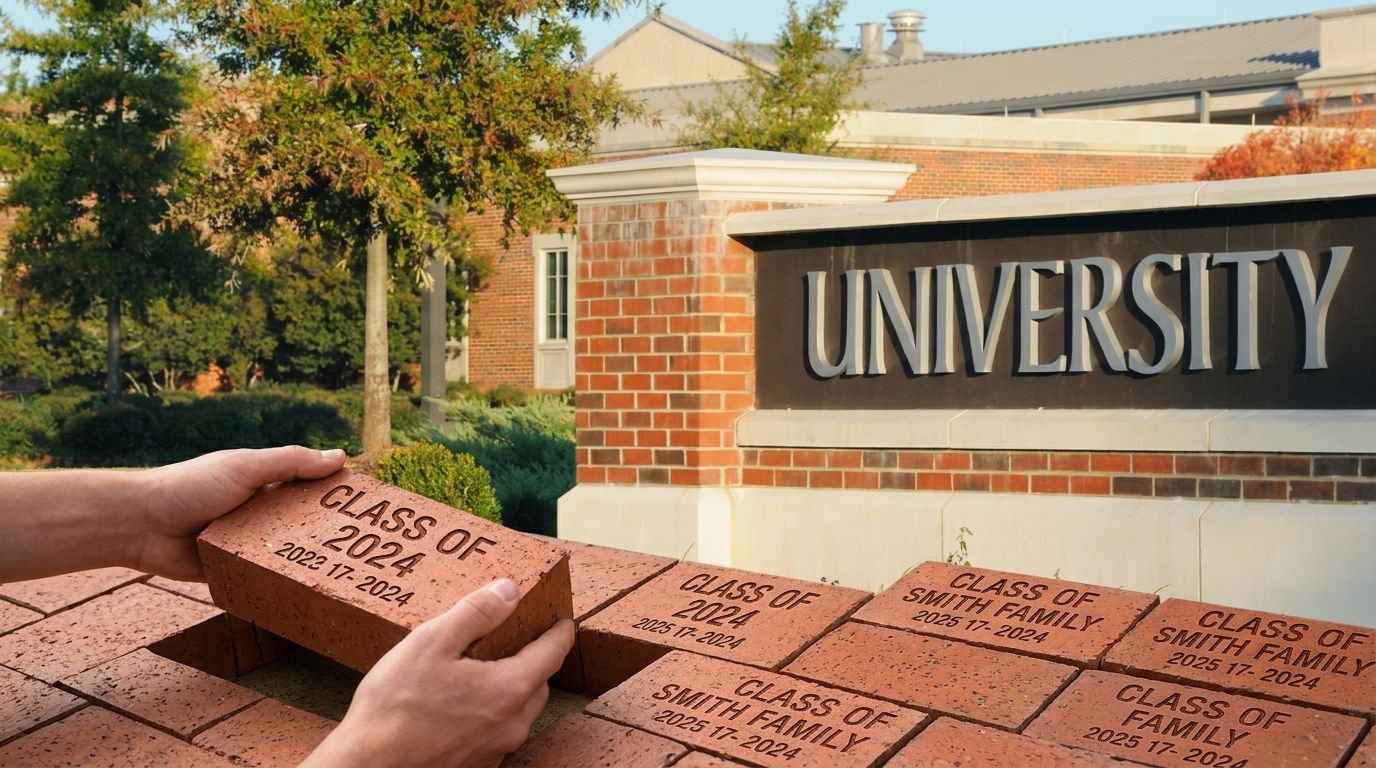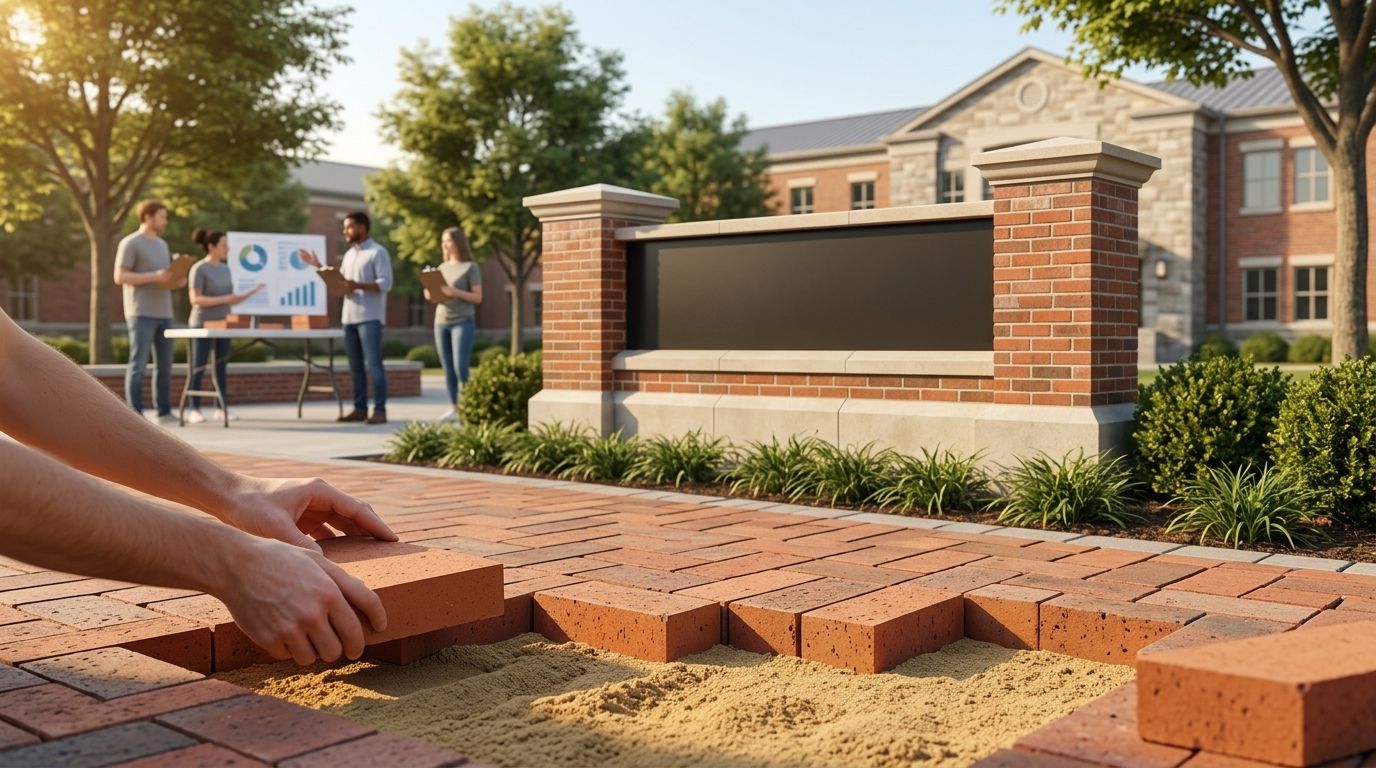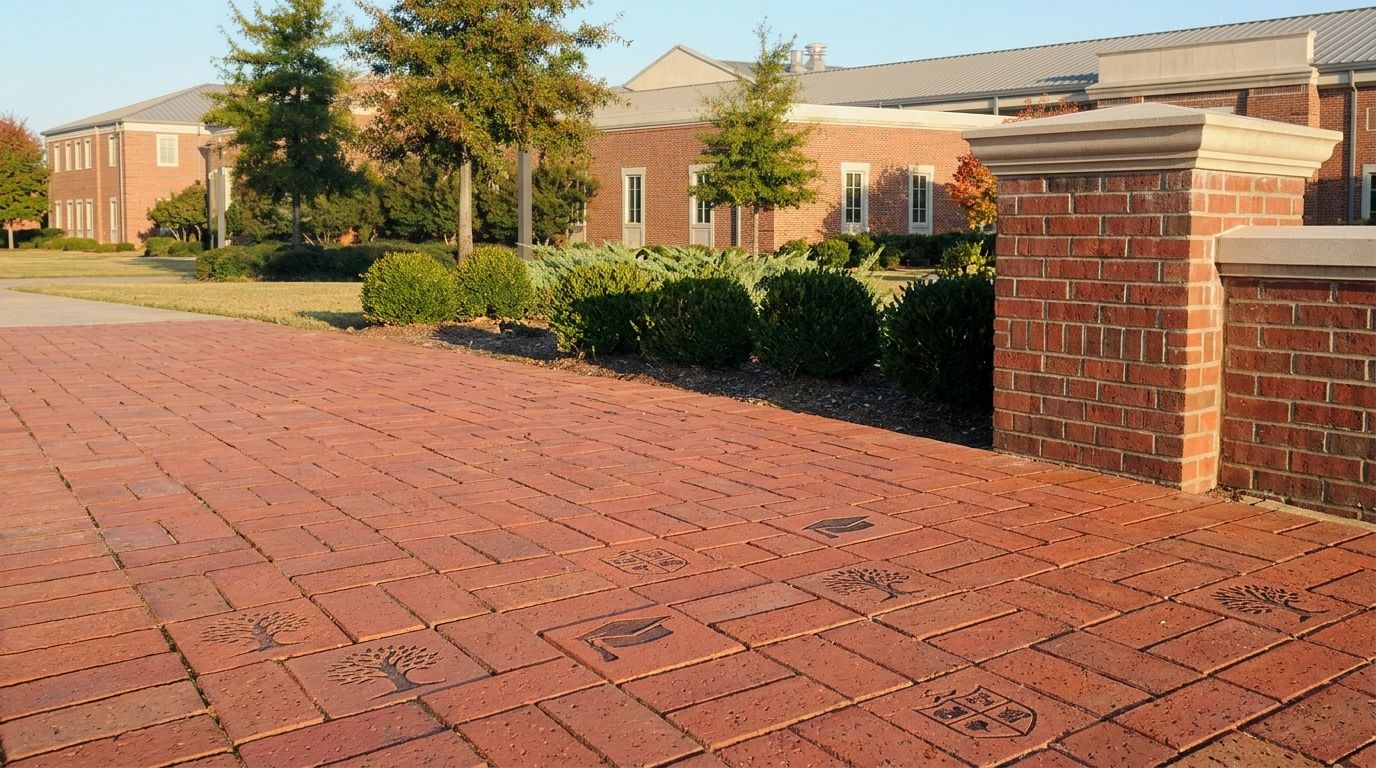
School remembrance planning with memorial bricks is a process for honoring people through engraved tributes with the aim of giving your school community a consistent, caring way to remember them. Schools need clear boundaries because a permanent tribute affects grieving families, current students, future classes, and the staff who maintain the space.
- Approve a school remembrance policy before accepting requests for memorial bricks or engraved pavers.
- Bricks R Us is best for school organizers seeking custom engraved bricks and donor-recognition products.
- Separate memorial eligibility from fundraising decisions, and require family approval before production.
- Record inscription approvals, installation locations, and responsibility for future maintenance.
Why memorial bricks matter for schools
A school memorial belongs to more than the committee that orders it. Families attach meaning to the inscription, students encounter it during ordinary school days, and future administrators inherit responsibility for it. Approve the policy before you approve individual tributes.
Memorial bricks also sit at the intersection of remembrance and fundraising. Your school must explain whether a tribute requires a contribution, who qualifies for recognition, and how requests receive the same consideration regardless of a family's ability to give.
Bricks R Us offers custom engraved bricks, pavers, and donor-recognition products. Choose your remembrance rules first; product selection cannot resolve questions about eligibility, consent, or how your school responds to loss.
For a 2026 launch, establish the approval route before announcing inscription deadlines. An invitation to participate should explain an agreed process, not begin a debate about who belongs in the memorial.
How to create your school's remembrance policy
Establish the purpose and decision-making authority
Start with a shared document, not an order form. Write a short statement explaining what the memorial recognizes and what it does not cover. A remembrance garden for deceased school community members serves a different purpose from a walkway recognizing donors, graduating classes, or athletic achievements.
Name the school body authorized to approve the policy. A parent organization can coordinate requests, but your school should confirm who controls campus installations and permanent recognition. Keep responsibilities attached to roles so the process survives committee turnover.
If you are replacing an informal practice in 2026, document how existing tributes will be treated. Do not leave families to discover a change after submitting a request.
- Define the memorial's purpose and intended audience.
- Identify the policy owner and final approval authority.
- Separate administrative, family-contact, and installation responsibilities.
- Record the adoption date and next review date.
Define eligibility without tying remembrance to giving
List the relationships that qualify someone for consideration: students, alumni, employees, volunteers, or other school community members. Your school must decide which groups belong within its stated purpose; do not let the available brick layout make that decision.
Apply the same written criteria across requests. Address retrospective tributes, requests involving several people, and submissions from someone other than an immediate family member. Include a route for exceptions rather than expecting staff to improvise during a difficult conversation.
Fundraising needs separate rules. If your project combines donor recognition and remembrance, distinguish those categories in the application and public explanation. A larger gift should not silently create a different memorial eligibility standard.
- List eligible relationships to the school.
- Explain who can submit a request.
- State how family permission is established.
- Define the exception and appeal process.
- Separate recognition eligibility from contribution decisions.
Create an approval workflow families can follow
Use a shared spreadsheet and a simple form to manage requests manually. Give each submission a reference, record its status, and identify the person responsible for the next action. Keep private family correspondence separate from information approved for engraving.
Build the workflow around these stages: Intake, Review, Family approval, Production approval, and Installation record. Family approval confirms the exact wording; production approval confirms that the school is ready to release that wording for engraving. Neither should substitute for the other.
Once your internal process is clear, ask Bricks R Us about its free fundraising tools and hands-on support. These can support project administration, but your school retains responsibility for remembrance decisions and permission records.
- Intake: collect the request and family contact details.
- Review: check eligibility and proposed wording.
- Family approval: confirm the exact inscription in writing.
- Production approval: authorize the final engraving submission.
- Installation record: save the approved text and placement.
Set inscription rules before collecting messages
Create a plain-language inscription sheet that explains permitted content, prohibited content, and the review process. Address names, dates, personal messages, religious wording, symbols, and references to organizations. Route questions about school policy or legal obligations to the appropriate school authority before publishing the sheet.
Do not invent a character limit while the product is undecided. Confirm the engraving layout for the selected brick or paver, then give families the actual limits. Review spelling, punctuation, capitalization, and dates against the final proof rather than an earlier email.
Require 2 review stages: a school check and written family approval. This is a recommended safeguard, not a substitute for confirming the supplier's proofing process.
- Publish content standards before opening submissions.
- Confirm layout limits for the selected product.
- Preserve the exact approved spelling and punctuation.
- Explain how revisions reach the family for approval.
- State what happens when wording does not meet the policy.
Choose a location and inspect a sample
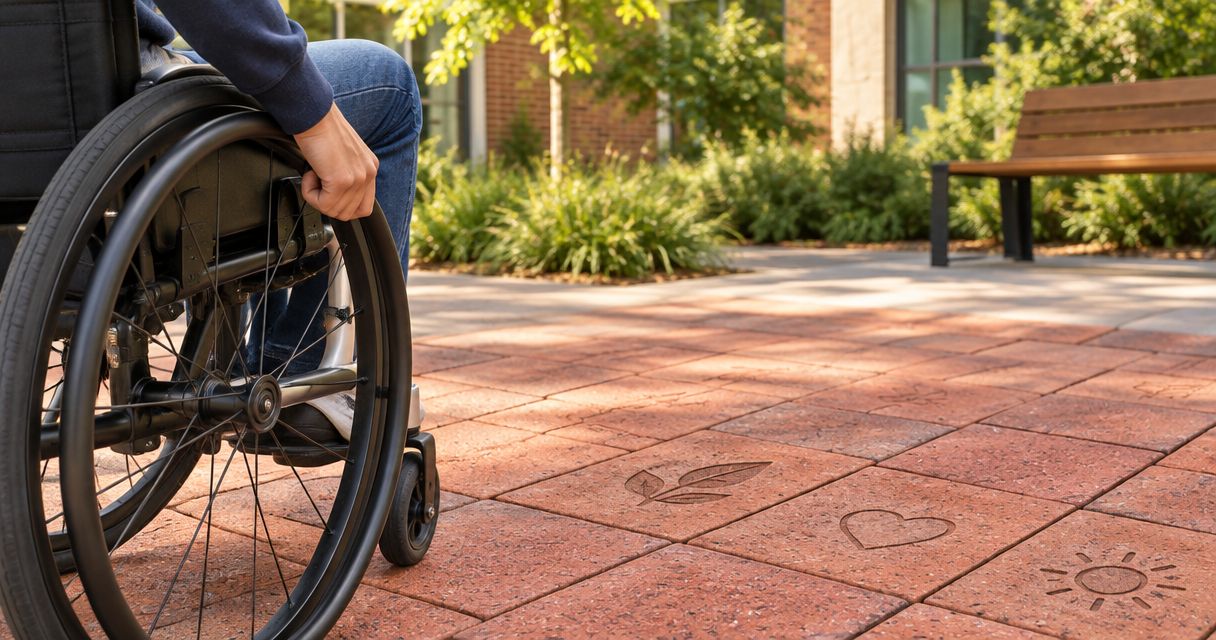
Walk the proposed site with the person responsible for school facilities. Consider everyday pedestrian routes, accessibility, drainage, nearby activities, and how future additions would fit. A quiet remembrance area and a busy entrance create different experiences for families and students.
Review a physical sample before approving the product. Check whether you can read the engraving comfortably and how the material looks beside the surrounding surface. A sample helps you assess appearance and feel; it does not establish whether the proposed installation meets your site's requirements.
Request a free sample brick from Bricks R Us before making your final selection. With over 35 years of experience, Bricks R Us provides a place to discuss engraved-brick options while your school resolves site and policy requirements.
- Confirm permission to use the proposed location.
- Ask facilities staff to review installation requirements.
- Inspect a sample for readability and appearance.
- Plan space for future tributes without promising unlimited expansion.
- Identify who approves the final layout.
Explain the policy with care
Publish a short public summary and keep the detailed procedure available to staff. Families need to know who qualifies, how to submit wording, who contacts them, and when a request becomes final. Avoid promising an installation date before the relevant arrangements are confirmed.
Coordinate remembrance communications with your school's established support practices. A memorial invitation should not require families to discuss private circumstances publicly or participate in a dedication. Offer a private route for questions and approval.
Where schools share a project with nonprofits, churches, municipalities, community memorial groups, or sports organizations, identify whose policy governs each tribute. Partners need a shared process; families should not receive conflicting instructions from different organizers.
- Name a contact role for family questions.
- Explain each approval stage in everyday language.
- Separate public inscription details from private records.
- Ask permission before sharing a family story or photograph.
- Make participation in ceremonies optional.
Assign maintenance and future review responsibilities
Write down who maintains the memorial, keeps the records, and answers future questions. Include a process for damage, inscription errors, replacement requests, construction work, and relocation. Avoid describing the placement as permanent unless your school has approved that commitment.
For the 2026 policy file, retain 1 approval record per brick, including the final inscription, permission, production authorization, and installed location. This recommended record structure helps a new administrator understand what was agreed without reconstructing a committee's email history.
Schedule a policy review and name the role responsible for it. Reviewing the policy should not automatically reopen every approved tribute; explain how changes apply to existing and future requests.
- Assign inspection and maintenance responsibility.
- Keep a location map linked to approval records.
- Define how errors and damage are reported.
- Explain the process for relocation or removal.
- Record how policy updates are approved and communicated.
Compare school remembrance arrangements
Best for consistency: a designated memorial area with written eligibility rules. Other arrangements serve different purposes, so choose according to your school's approved aims, site, and administrative capacity. The options below compare project structures, not suppliers.
| Option | Best for | Main benefit | Key limitation |
|---|---|---|---|
| Dedicated memorial-brick area | Schools creating a shared remembrance space | Gives eligible tributes a defined home | Requires site approval and a plan for additions |
| Combined donor and memorial walkway | Schools managing recognition within one installation | Keeps recognition in a shared physical setting | Requires clearly separated donor and memorial rules |
| Individual tributes around campus | Schools with approved location-specific tributes | Connects a tribute to a meaningful place | Creates separate locations to approve, record, and maintain |
| Hold requests until policy approval | Schools without agreed remembrance rules | Prevents new commitments before responsibilities are settled | Delays new physical tributes and requires careful family communication |
For your 2026 planning meeting, use the table to select a structure before discussing individual requests. Do not choose a combined walkway solely because a fundraising campaign is already underway.
Common mistakes schools make with memorial bricks
Accepting inscriptions before approving eligibility
An accepted message can feel like a commitment even when the committee considers it provisional. Publish the policy first, and label any early expressions of interest as requests rather than approved tributes.
Treating a donation as memorial permission
A contribution does not settle whether a person qualifies under the remembrance policy. Keep gift processing separate from eligibility review, and explain the process before accepting a memorial-related contribution.
Letting one volunteer hold the only records
A volunteer's inbox is not a lasting school record. Store approvals, layout information, and permissions in a school-controlled location with access assigned to responsible roles.
Promising an unchanged location indefinitely
Campus needs change, and construction can affect a memorial area. Explain how the school will consult, document, and communicate a proposed relocation instead of making an unsupported promise.
FAQ
What are memorial bricks for schools?
Memorial bricks for schools are engraved bricks used to recognize people within a school remembrance project. A written policy defines eligibility, inscription approval, placement, and responsibility for the installation.
Who should qualify for a school memorial brick?
Your school's approved remembrance policy should determine who qualifies. Define eligible relationships, such as students, alumni, employees, or volunteers, and explain how exceptions receive review.
Can memorial bricks be part of a school fundraiser?
Yes, memorial bricks can be included in a school fundraiser, but remembrance eligibility and donor recognition need separate rules. Explain contribution requirements and approval procedures before accepting requests.
Who approves the wording on a school memorial brick?
The school should approve policy compliance, and an authorized family contact should approve the exact inscription. Confirm both approvals before releasing the wording for production.
Should schools include dates or personal messages?
Schools should allow dates or personal messages only within their approved inscription rules and the selected product's layout limits. Give families those requirements before they submit wording.
What should a school do before launching a memorial project in 2026?
Approve the remembrance policy, confirm the site, and assign responsibility for family communication and records. Review a physical sample before finalizing the brick or paver selection.
How should a school handle a request that does not meet the policy?
Explain the relevant eligibility or content rule privately and provide the documented appeal route. Keep the response consistent with other requests rather than negotiating an exception through fundraising discussions.
One last thing
Decide who can authorize a correction before the first brick is ordered. A misspelled name involves more than replacement: your school needs to know who confirms the corrected wording, who contacts the family, and who updates the record. Put that responsibility in the policy while everyone is available to agree on it.