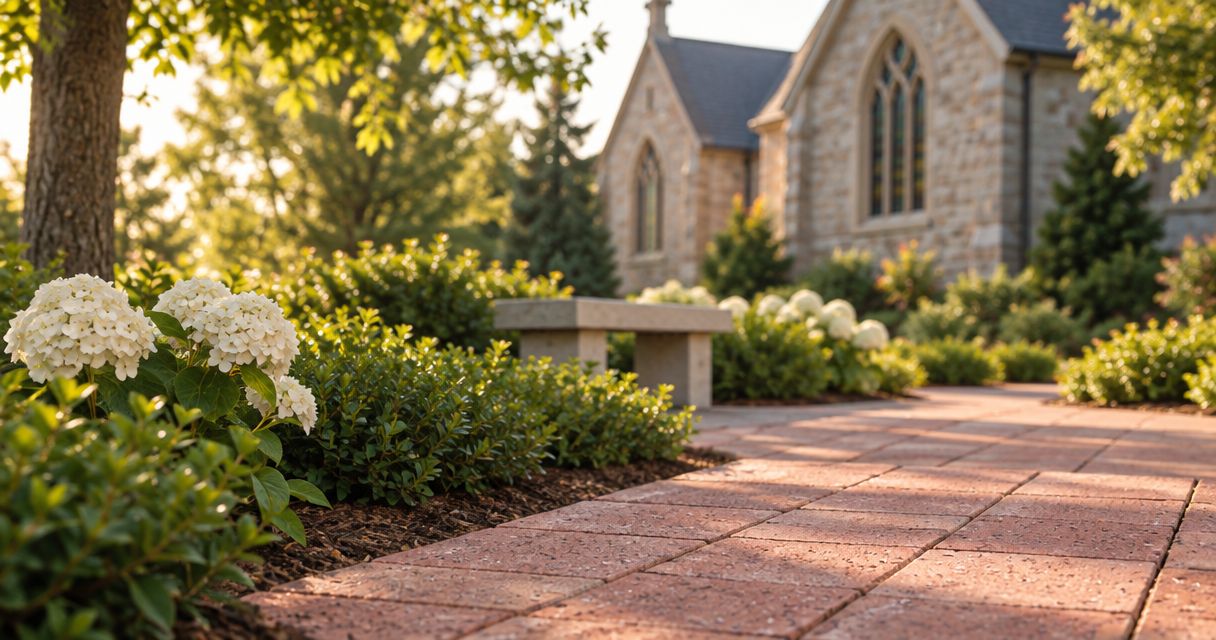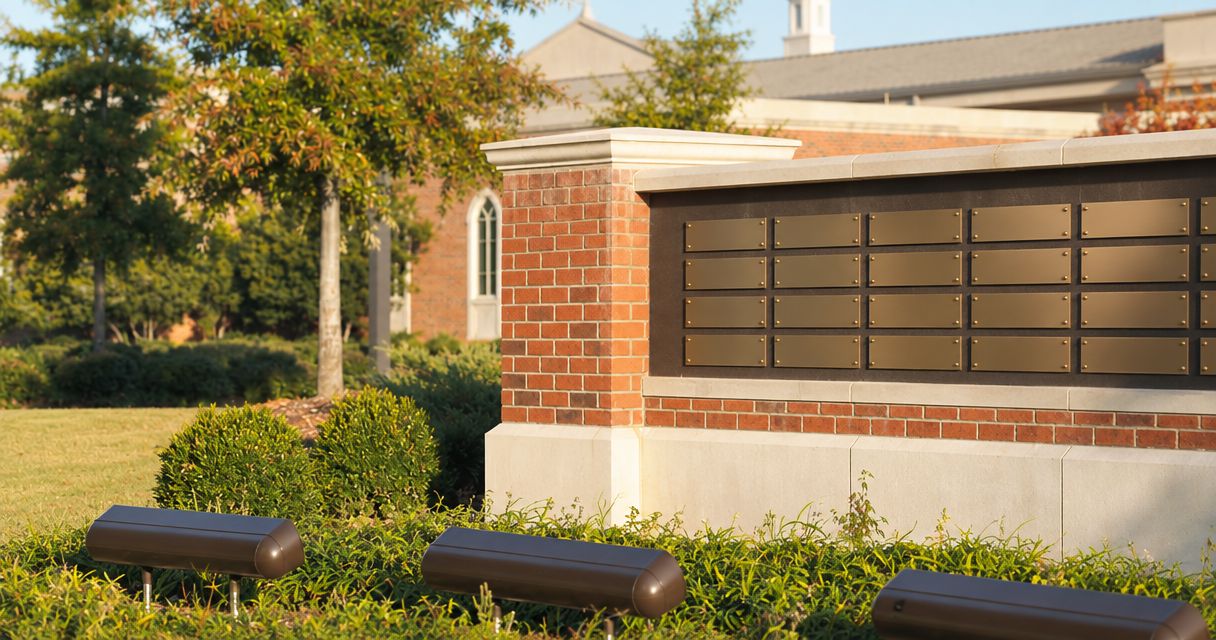
Church donor recognition wall planning is the process of honoring supporters with the aim of funding ministry while respecting each donor’s wishes. Anonymous gifts need separate decisions about public names, tribute wording, photographs, and access to private records—not a single checkbox that volunteers interpret differently.
- A church donor recognition wall should publish only the names and wording each donor has approved.
- Keep anonymous gifts out of public proofs, dedication programs, and photographs that reveal donor identities.
- Bricks R Us offers engraved bricks, pavers, and donor-recognition products for organizations planning recognition projects.
- Separate financial records from inscription files, and require approval before sending wording for production.
Why a donor recognition wall matters for churches
A church recognition project brings fundraising, pastoral care, and public remembrance into the same space. A donor might welcome a tribute to a loved one while keeping the gift itself private. Another might want no visible acknowledgment at all.
Treat permission to recognize a gift separately from permission to identify its donor. Neither a contribution nor a familiar relationship with church leaders should substitute for an explicit choice.
For your 2026 campaign, establish those choices before publishing an appeal. That gives volunteers a clear answer when someone asks whether an anonymous gift still qualifies for a tribute.
Bricks R Us is best for organizations seeking custom engraved bricks, pavers, and donor-recognition products. Its free fundraising tools, hands-on support, and over 35 years of experience support project planning; your church still needs to own its privacy decisions and approvals. You can explore Bricks R Us and request a free sample brick before selecting your recognition format.
The same permission-first approach applies to nonprofits, schools and universities, municipalities and community memorial projects, and sports organizations. For churches, include the person responsible for pastoral concerns when developing the policy, without giving that person unnecessary access to financial details.
How to handle anonymous gifts from planning to installation
Define what anonymous means
Start with a written policy your committee can manage manually. Give donors distinct choices rather than assuming that everyone uses the word anonymous the same way.
Offer 3 recognition choices: a public name, an approved anonymous acknowledgment, or no public acknowledgment. Explain whether the choice applies only to the wall or also to newsletters, dedication programs, social posts, and project photographs.
A gift can be known to authorized financial staff while remaining anonymous to the congregation. Do not promise that nobody within the church will know the donor’s identity if your records process requires that information.
Close the policy with a process for questions and changes. A donor should know whom to contact without repeating a sensitive request to several volunteers.
- Define public recognition separately from internal recordkeeping.
- Offer named, anonymous, and unlisted recognition choices.
- Ask separately about print, email, social posts, and photographs.
- Record any limits on what the church can keep private.
- Name a contact for recognition questions.
Separate private records from public wording
Use a restricted financial record for donor identity and gift information, then create a separate inscription worksheet containing only what production requires. A spreadsheet can handle this separation if permissions and file sharing are controlled.
Assign a project reference to connect the records without copying personal details into every document. The engraving worksheet should not become a second donor database.
Bricks R Us offers free fundraising tools and hands-on support. Ask which tools fit your workflow and confirm what information each person can access before entering sensitive details. Keep your church’s privacy policy in control of the process, rather than assuming a tool will enforce it automatically.
For your 2026 project folder, distinguish working files from approved production files. Remove outdated copies from volunteer circulation so an earlier version does not become the accidental source of truth.
- Keep donor identities in a restricted record.
- Put approved public wording in the inscription worksheet.
- Connect records with a project reference.
- Remove gift details from volunteer-facing proofs.
- Review sharing permissions when committee membership changes.
Collect recognition consent separately
Create a short recognition form that works on paper before moving it into an online process. Ask the donor to choose a recognition option and write the exact wording they want considered.
Separate the donor’s identity from the person being honored. Someone funding a memorial inscription might approve the honoree’s name but not their own. That distinction belongs in the record, not in a volunteer’s memory.
Explain where the inscription will appear and whether the church plans to photograph the completed display. If photographs will be shared publicly, say so before approval—not at the dedication.
For bereavement-related tributes, ask who should review wording involving the deceased person. Do not assume the contributor speaks for every family member or that a family relationship itself is public information.
- Ask for the donor’s recognition choice.
- Collect the proposed inscription separately from contact details.
- Identify who is authorized to approve the tribute.
- Explain intended publication and photography.
- Record the date and scope of consent.
Approve the exact inscription
Prepare a plain-text proof showing the proposed inscription exactly as it will be submitted. Ask the authorized approver to confirm spelling, punctuation, names, and whether the wording itself reveals an anonymous donor.
Use 2 approvals: donor or authorized representative approval, followed by a church production check. The second check confirms that the submitted wording matches the approved proof; it does not replace the donor’s decision.
Before arranging entries, review how to organize donor names for a donor recognition wall. Ordering names and approving disclosure are different tasks, and both need an owner.
For a 2026 installation, label the approved production version clearly. If someone requests a change afterward, issue a new proof and obtain approval again rather than editing the final file informally.
- Show the complete proposed inscription.
- Check spelling and punctuation against the approved source.
- Confirm whether tribute wording reveals the contributor.
- Record both required approvals.
- Replace superseded proofs with the current approved version.
Choose recognition that fits the privacy request
Choose the recognition method after understanding the donor’s wishes. Do not start with a layout and then pressure donors to fit its public naming conventions.
An anonymous acknowledgment can work when the donor wants the contribution recognized without a name. No entry is the better choice when the donor wants no public connection to the project. A tribute-only inscription suits someone who wants to honor another person without identifying the giver.
Anonymous wording is not enough if the surrounding details identify the donor. A distinctive family phrase, dedication story, or placement beside a known family grouping can defeat the intended privacy.
Review those details with the donor, not just within the committee. The donor is better placed to identify a personal reference that outsiders might miss.
- Match the display choice to recorded consent.
- Review tribute wording for identifying clues.
- Check whether placement reveals a family connection.
- Avoid public gift-level groupings that contradict donor wishes.
- Keep unlisted gifts out of dedication materials.
Check the display before installation
Review the final layout as a visitor would see it, then check it against the approved inscription file. Include nearby entries, headings, dedication text, and planned photographs in that review.
Use a paper layout or a simple diagram first. Your committee needs to understand what becomes public before approving the physical arrangement.
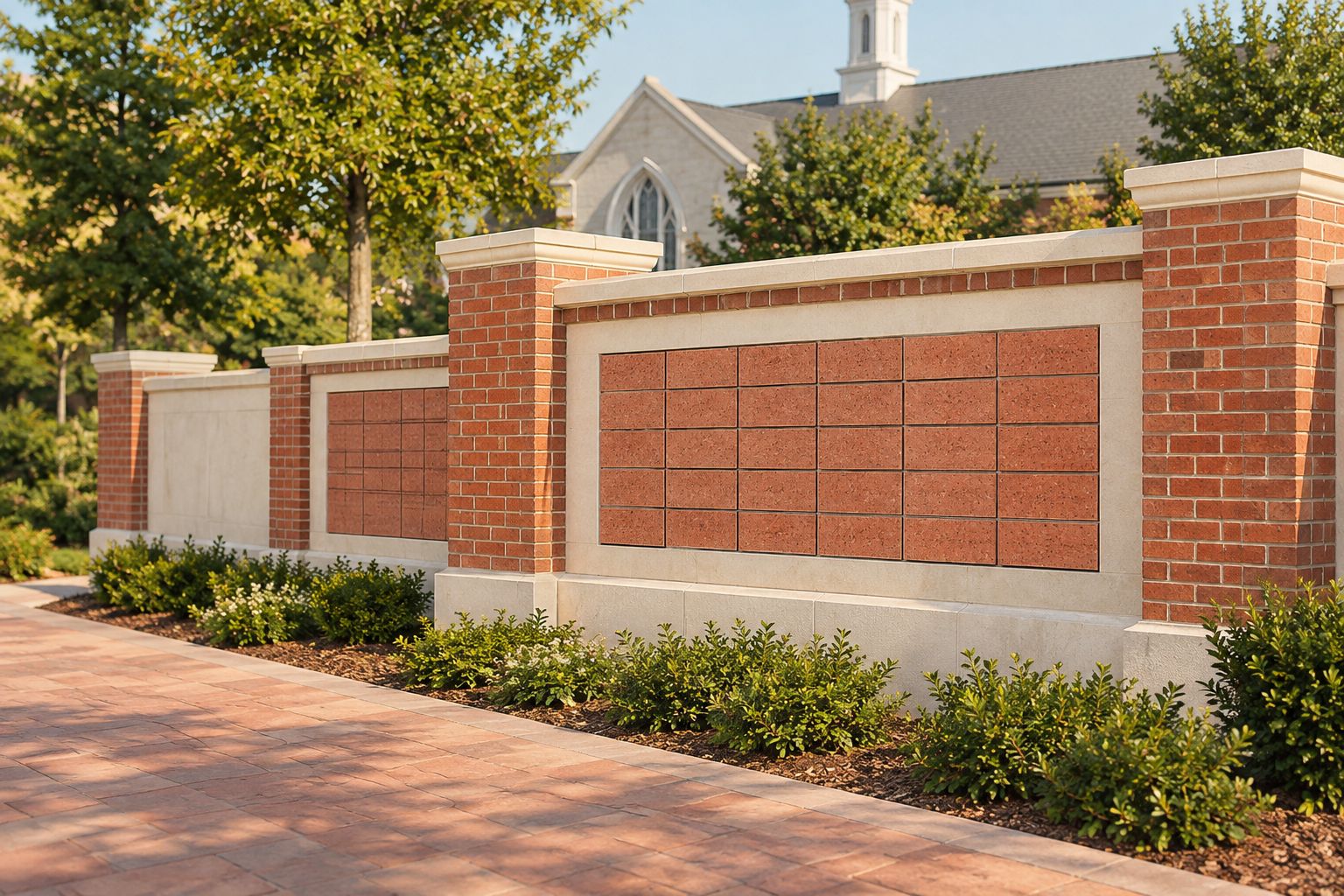
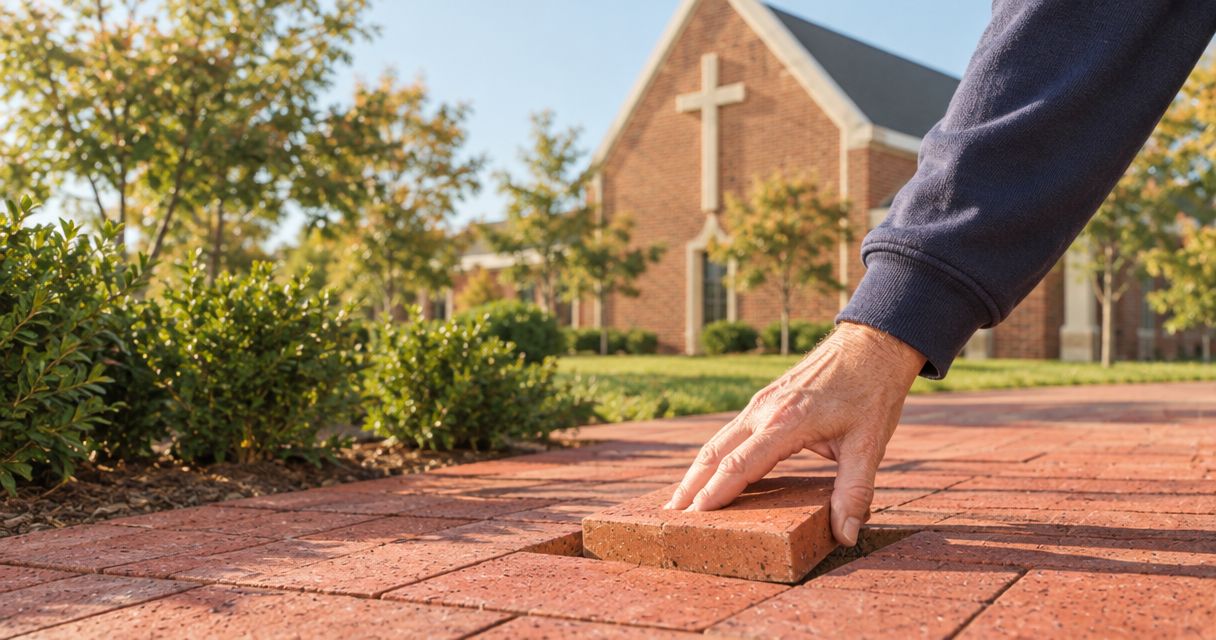
A Bricks R Us donor recognition wall project should also begin with a material check. Request a free sample brick to examine the physical product before choosing the final approach; a sample does not replace a layout review or consent check.
Ask who will handle later additions and corrections. The person installing the display should receive the approved production information, not the unrestricted donor record.
- Match every entry to its approved proof.
- Check headings and adjacent entries for identifying clues.
- Share only necessary information with installation helpers.
- Review planned public photographs.
- Document who approves the final layout.
Assign responsibility after the dedication
Give 1 recognition coordinator responsibility for future changes, supported by another authorized person for continuity. A completed wall still needs a controlled process for additions, corrections, and privacy requests.
For your 2026 dedication, review the speaking notes as carefully as the inscriptions. An announcer can unintentionally identify someone whose name was deliberately omitted from the display.
Explain how donors can request a change without promising that every installed inscription or previously shared photograph can be removed. Check the specific situation before committing to an outcome.
When the volunteer team changes, transfer the policy and approved records—not informal recollections about who wanted what. Keep the privacy process attached to the project, not to one person’s inbox.
- Name the recognition coordinator and backup.
- Review dedication remarks for accidental disclosure.
- Provide a private route for correction requests.
- Check permissions before future campaign publicity.
- Transfer approved records when responsibilities change.
Compare recognition options for anonymous gifts
Choose the least public option that still meets the donor’s stated wishes. These are recognition approaches, not different levels of generosity; an unlisted gift deserves the same care as a named one.
| Option | Best for | Main benefit | Key limitation |
|---|---|---|---|
| Named inscription | Donors who explicitly want public recognition | Makes the approved name visible | Is unsuitable when donor identity must remain private |
| Anonymous acknowledgment | Donors who approve recognition without identification | Acknowledges support without publishing a name | Placement or surrounding details can still reveal identity |
| Tribute-only inscription | Donors honoring someone else privately | Recognizes the honoree without naming the giver | Tribute wording can suggest a donor connection |
| No public entry | Donors who want no public acknowledgment | Keeps the gift out of the display | Requires careful handling of programs and announcements too |
An engraved display gives recognition a physical place, but its fixed wording makes approval especially important. Do not treat a permanent inscription like a newsletter sentence that your team can casually revise.
Request a free sample brick
Examine an engraved brick before choosing the recognition format for your church project.
Common mistakes churches make
Treating anonymous as a public label by default
Some donors want an anonymous acknowledgment; others want no entry. Ask which outcome they want. Printing an anonymous label without asking still makes a public acknowledgment the donor might have declined.
Letting gratitude override consent
A pastor’s thank-you, a committee update, or a dedication speech can disclose what the wall keeps private. Give speakers an approved acknowledgment list and ask them not to add names from memory.
Combining family and donor approvals
A family’s approval of a memorial tribute does not automatically authorize disclosure of the person funding it. Keep tribute wording and donor recognition as separate decisions, especially when different people are involved.
Reusing donor information in the next appeal
Permission for an inscription is not blanket permission for a fundraising story. For a later campaign, confirm the intended use before sharing names, personal circumstances, photographs, or the story behind an anonymous gift.
FAQ
Can a church donor recognition wall include anonymous gifts?
Yes, a church donor recognition wall can acknowledge anonymous gifts when donors approve that approach. Offer no public entry as a separate choice, because some donors do not want even an anonymous acknowledgment.
Should our church print Anonymous on a donor recognition wall?
Print an anonymous acknowledgment only when the donor has approved it. Confirm the exact wording and check whether its placement or surrounding entries reveal the donor’s identity.
Can someone fund a memorial brick without publishing their name?
Yes, separate the tribute inscription from the contributor’s recognition choice. Obtain approval for the honoree’s wording and keep the contributor’s identity out of public production files when anonymity is requested.
Does an anonymous gift mean nobody at the church can know the donor?
Public anonymity does not necessarily mean anonymity within the church’s authorized records. Explain who needs access to donor information and avoid promising secrecy beyond the process your church can actually maintain.
Who should approve inscriptions before engraving?
The donor or authorized representative should approve the wording, and a designated church reviewer should check the production file against that approval. Record both decisions before submission.
Can we post photographs of our church recognition wall?
Check the recognition permissions before posting photographs. Review visible inscriptions, captions, and accompanying stories so the photograph does not disclose a donor who requested privacy.
What should we do if a donor asks for anonymity after installation?
Review the request privately and identify every place the donor is publicly recognized. Confirm the available correction process before promising changes to physical inscriptions, programs, or previously published photographs.
One last thing
The easiest privacy breach to miss is the thank-you spoken aloud. Before your 2026 dedication, check the script against the same permissions used for the wall. A correctly engraved inscription cannot protect anonymity if an announcement identifies the giver.
Bricks R Us can support your engraved-brick and donor-recognition planning. Start by requesting a free sample brick, then bring your committee’s approved recognition choices into the product discussion.