Sports donor recognition is the public acknowledgment of gifts and sponsorships, with the aim of connecting supporters to your organization's mission. A donor recognition wall gives that acknowledgment a defined place, but sports organizers must distinguish lasting gifts from season-specific sponsorships and leave room for future supporters.
- A sports donor recognition wall should separate permanent donor recognition from time-limited sponsor benefits.
- Bricks R Us is best for sports organizations seeking engraved donor recognition products with hands-on fundraising support.
- Approve sponsor names, inscription rules, and future additions before ordering engraved tiles or bricks.
- Request a free sample brick before committing to an engraved-brick design.
Why donor recognition matters for sports organizations
A sports donor recognition wall needs rules that outlast a season. A family contribution, a memorial gift, and a business sponsorship can all support your organization, but they do not necessarily call for the same acknowledgment.
For your 2026 project, decide what belongs on the permanent display before inviting inscriptions. Use a consistent process for organizing donor names for a donor recognition wall, including spelling, display preferences, and approval responsibility.
The same distinction matters across settings. A nonprofit youth league needs continuity when volunteers change; a school or university needs approval from the appropriate institutional staff. A church recreation program must coordinate with its ministry leadership, while a municipal sports facility needs permission from its public-property decision makers. An independent sports club needs a clear owner for the recognition program.
Permanent recognition and seasonal advertising should have separate rules. That protects your donors' expectations and gives your committee a consistent answer when a sponsor asks what happens after its agreement ends.
How to plan a sports donor recognition wall
Define what each acknowledgment means
Start with a written policy in a shared document. Describe whether the wall recognizes a facility campaign, ongoing giving, memorial gifts, business support, or a combination of these purposes. Keep the explanation short enough to use on your donor form.
For a 2026 launch, distinguish the campaign's opening date from the duration of recognition. A sponsor's participation in a particular season does not automatically establish a permanent display commitment. Decide that commitment before collecting the sponsor's preferred wording.
Give families and businesses the same clear explanation. You can offer different acknowledgment formats without allowing every donor to negotiate a different rule.
- State the purpose of the wall in plain language.
- Identify which gifts qualify for permanent recognition.
- Separate seasonal sponsorship benefits from permanent inscriptions.
- Explain whether memorial and tribute messages belong on the same display.
- Assign responsibility for exceptions before requests arrive.
Confirm the location and approval process
Walk the proposed location with the person responsible for the facility. Bring a paper layout and mark where the display begins, where additions would go, and how visitors would approach it. Start with the space rather than a product photograph.
A stadium entrance, clubhouse lobby, school corridor, church recreation hall, and public recreation center each involve different decision makers. Get those people involved before promising a location to donors. Ask the installer to review the supporting surface and proposed installation method.
Check the display during ordinary facility use. A wall that looks clear in an empty hallway still needs to work when spectators queue nearby or teams gather before an event.
- Obtain the property owner's permission.
- Confirm who approves the layout and installation.
- Review pedestrian access and nearby gathering areas.
- Ask the installer to assess the wall or supporting surface.
- Reserve space for future recognition without blocking access.
Evaluate materials with a physical sample
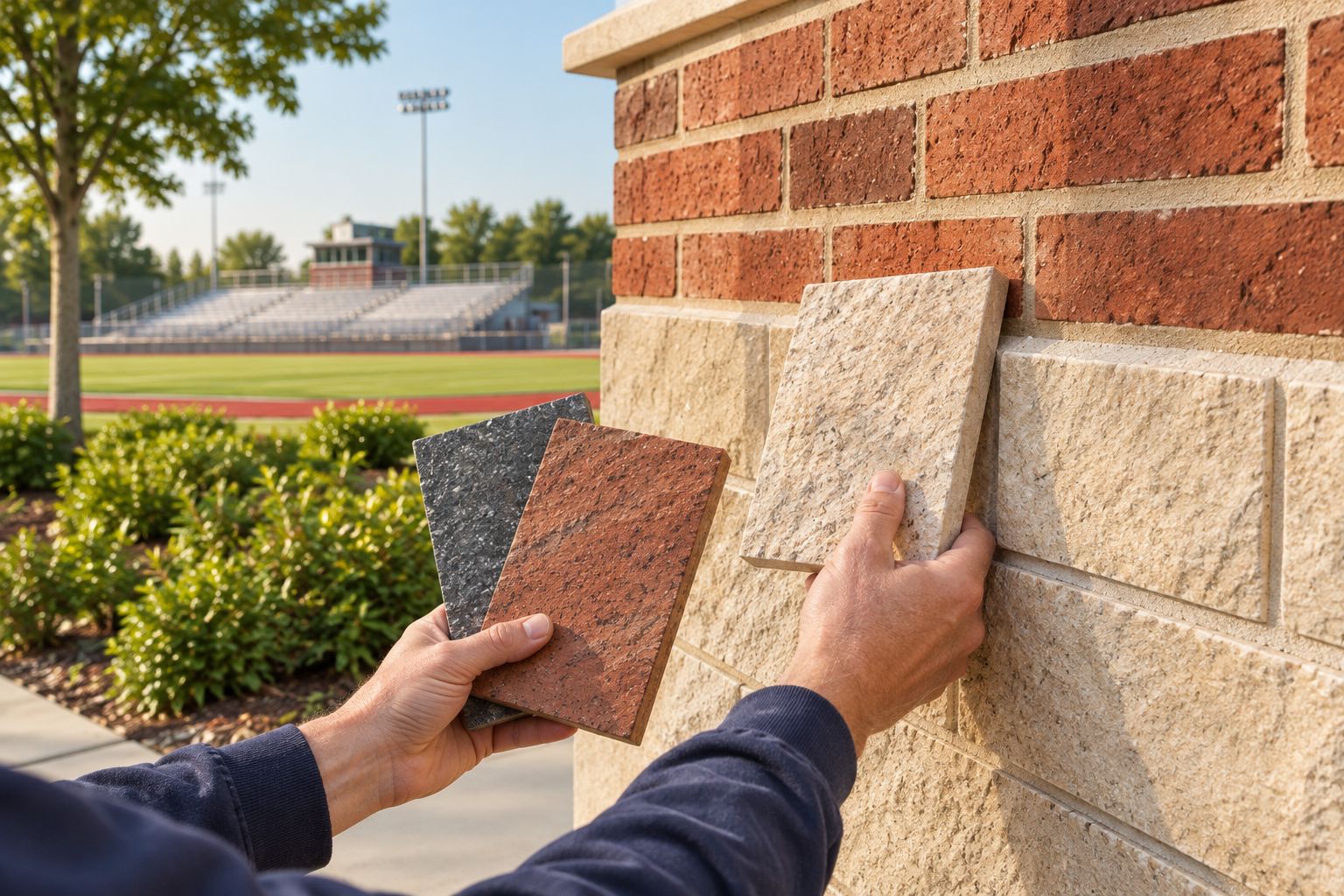
Begin by comparing material samples against your actual setting. Look at surface texture, engraving legibility, and how the material relates to the building. A sample helps your committee discuss something concrete rather than approve a design from a screen alone.
Once you have defined the location and acknowledgment rules, bring in product support. Bricks R Us offers custom engraved bricks, pavers, and donor-recognition products, along with free fundraising tools and hands-on support backed by over 35 years of experience. Request a free sample brick if engraved bricks are under consideration; for a tile wall, ask about the relevant material and installation requirements.
Bricks R Us donor recognition wall planning still requires decisions from your organization. Product guidance does not replace property approval, donor consent, or an installer's assessment of the site.
- Review the sample where the finished display will be viewed.
- Compare the lettering with the surrounding surface.
- Confirm the proposed material's intended application.
- Ask how replacement pieces and additions would be handled.
- Obtain installation guidance before approving the material.
Set inscription and sponsor-name rules
Create an inscription form in a document or spreadsheet before opening submissions. Ask each donor for the exact display name, the contact responsible for approval, and permission to publish the wording. Keep administrative contact information separate from the public inscription.
For business sponsors, establish whether recognition uses a business name, a logo, or another approved format. Do not promise logo reproduction until the supplier has confirmed the artwork requirements. For families and memorial donors, explain how names, team affiliations, and tribute wording should appear.
A 2026 roster should not become the permanent spelling reference for every inscription. Let the donor or authorized family contact approve the final wording directly.
- Publish a consistent naming and capitalization policy.
- Confirm inscription limits for the selected product.
- Collect the exact business or personal display name.
- Require consent before publishing tribute details.
- Keep approval records separate from informal messages.
Separate sponsor commitments from display records
Keep sponsorship commitments in a register alongside, but separate from, the inscription file. The sponsorship register explains what your organization promised. The inscription file records what will appear on the wall.
This distinction is especially useful when a business changes its name, a sponsorship ends, or a facility changes leadership. Your committee should not have to reconstruct a permanent recognition promise from an old event flyer.
Record the responsible organization as well as the individual contact. A school booster group, university department, church committee, municipal office, or nonprofit board needs a record it can hand to the next organizer.
- Record whether recognition is permanent or time-limited.
- Identify the agreement or approval supporting the inscription.
- Document the policy for business-name changes.
- State how removal or replacement requests are reviewed.
- Assign a continuing owner for the recognition register.
Approve every inscription before ordering
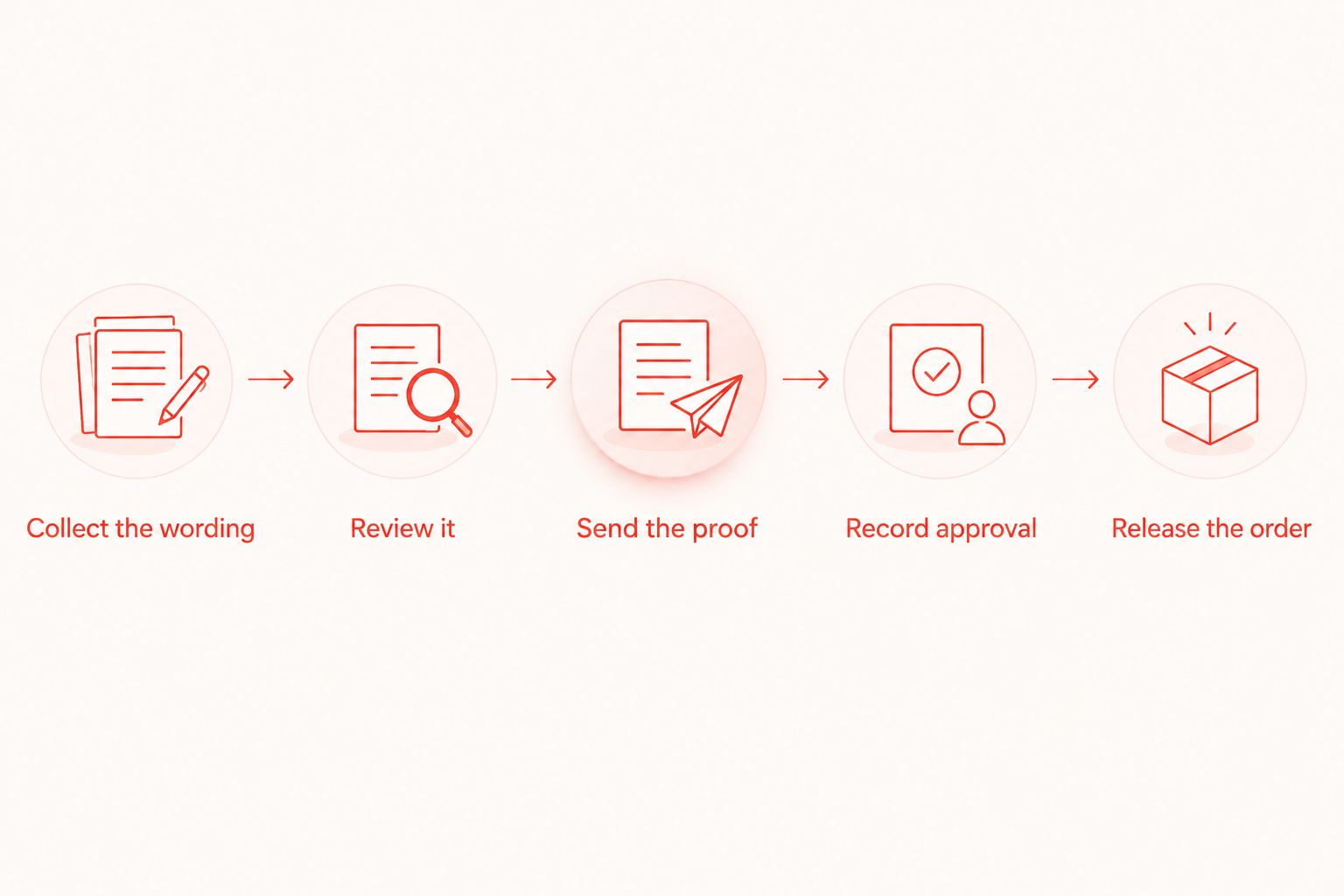
Build a simple approval sequence: collect the wording, review it against your policy, send the proof, record approval, and release the order. A shared spreadsheet can track the sequence without requiring a new system.
Do not treat a donation receipt as inscription approval. A receipt confirms a transaction, not the spelling, wording, or public display preference attached to it. The person who checks the committee's records should also check that each proof matches the approved submission.
If your dedication is planned for 2026, set the inscription cutoff only after confirming production and installation arrangements. Avoid promising an event date before those dependencies are understood.
- Keep the submitted wording and approved proof together.
- Assign a named proof approver for each inscription.
- Check names, punctuation, affiliations, and tribute details.
- Mark unresolved entries as not ready for ordering.
- Archive the approval before releasing the order.
Plan additions and ongoing care
Draw the first installation and the future expansion area together. Decide how new names will enter the display without making the original layout feel unfinished or forcing the committee to rearrange existing recognition.
Choose an addition policy you can administer consistently. Alphabetical placement requires a different approach from grouping names by campaign or adding them in installation order. Explain the policy before donors assume they can choose a particular position.
Your 2026 handover file should include the approved layout, inscription records, supplier details, and responsibility for care. A future volunteer needs the decisions, not just the finished photograph.
- Reserve a defined expansion area.
- Document the order in which new names are added.
- Keep a location record for installed inscriptions.
- Assign responsibility for inspections and cleaning guidance.
- Store approvals and layout files where successors can find them.
Compare recognition options for your sports facility
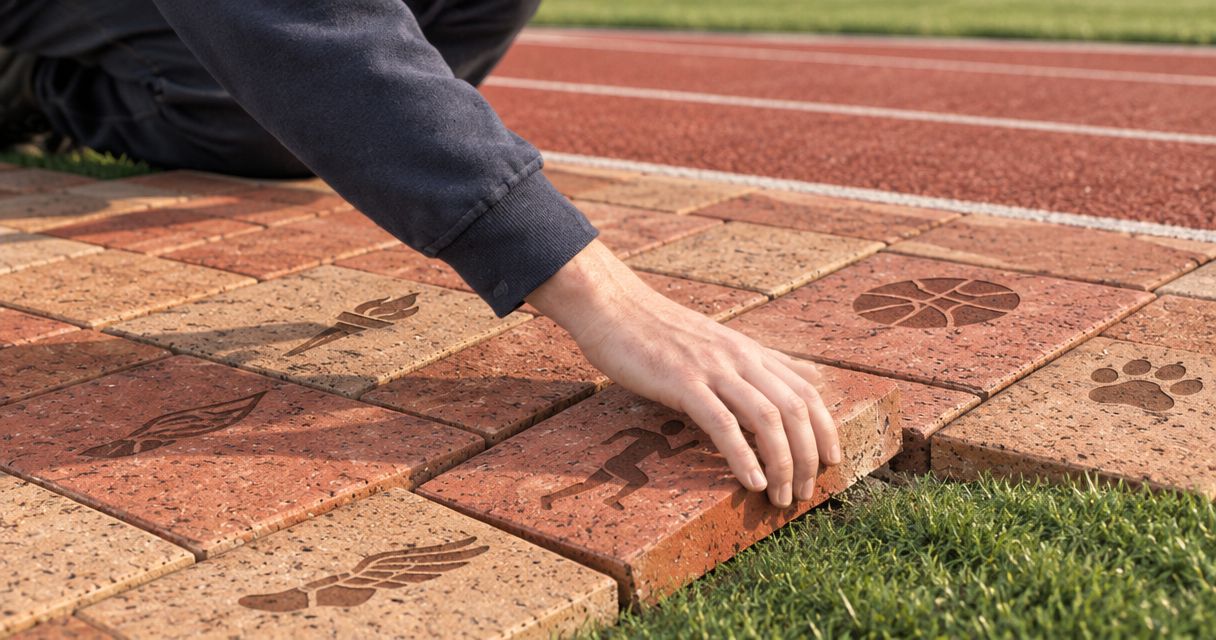
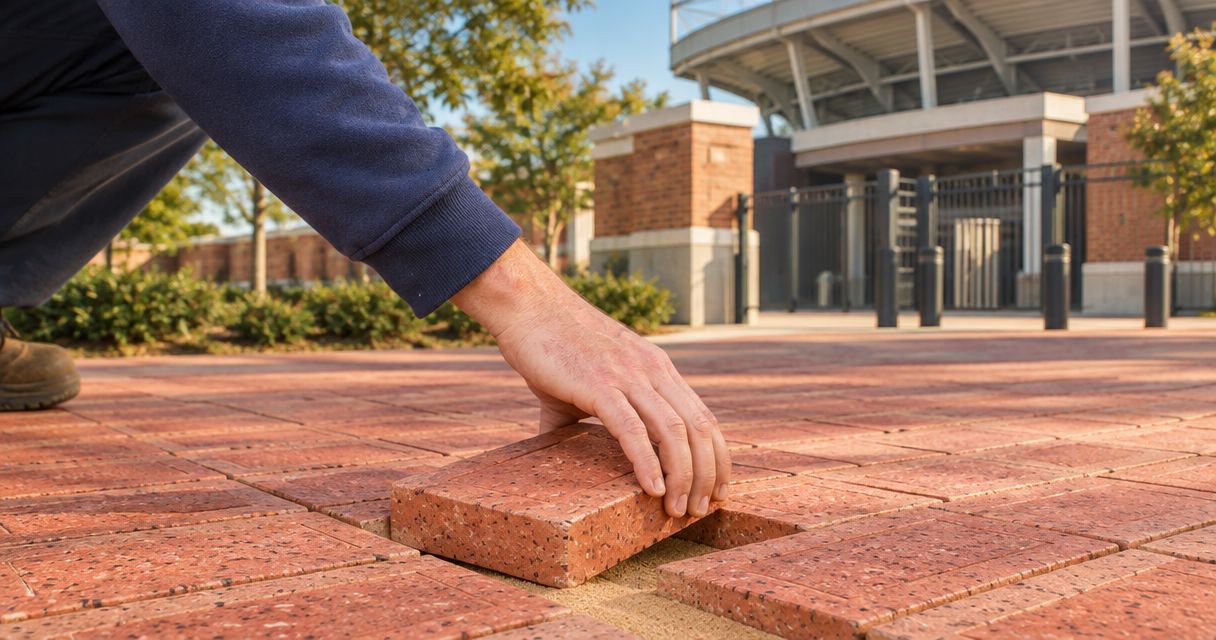
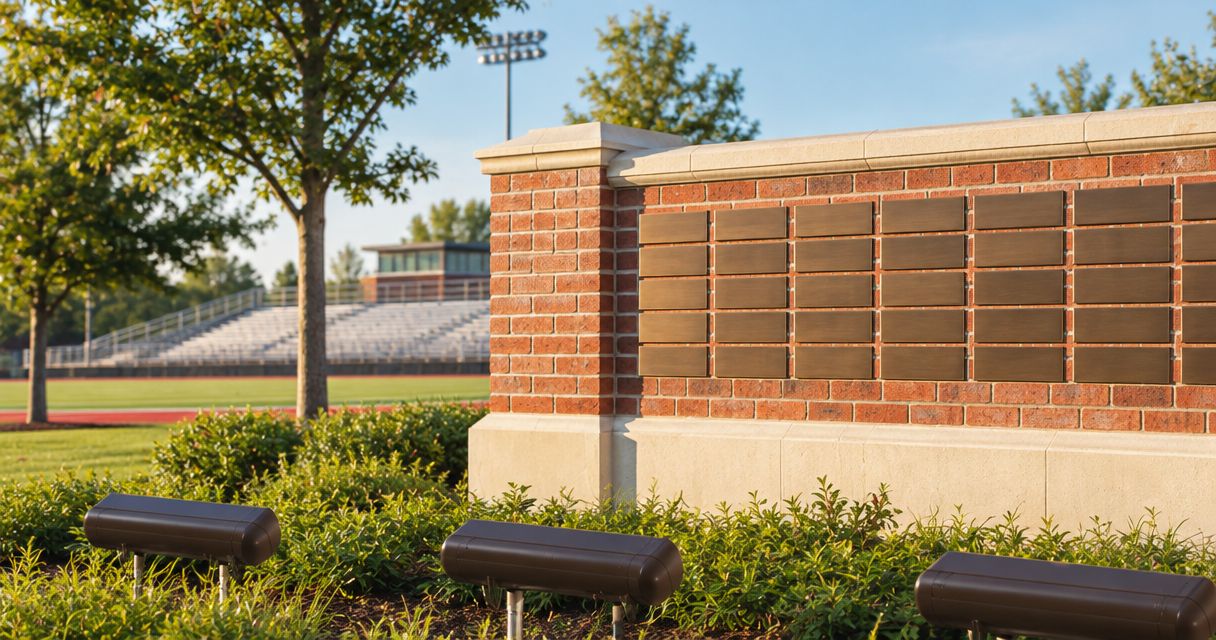
Choose the format by location and purpose, not appearance alone. A wall concentrates recognition in a defined viewing area; a paved installation places recognition within the grounds. A donor keepsake serves a different purpose and does not replace a public display.
The options below are formats and materials, not competing suppliers. Confirm the installation method before selecting the finished layout.
| Option | Best for | Main advantage | Key limitation |
|---|---|---|---|
| Granite Tiles | A dedicated wall-based donor display | Primarily intended for wall surfaces | The wall and attachment method still need review |
| Marble Tiles | A wall-based recognition design | Provides another material choice for a wall display | Material selection does not resolve layout or installation questions |
| Engraved bricks or pavers | Recognition incorporated into facility grounds | Connects donor acknowledgment with a physical place | Requires planning for the supporting surface, access, and later additions |
| Donor Bricks | Supporters who want a duplicate keepsake | Duplicate bricks have felt backing | A personal keepsake does not provide shared public recognition |
Bricks R Us lists Granite Tiles and Marble Tiles in matching 4×8-inch, 8×8-inch, and 12×12-inch sizes, with a thickness of 1/2 inch. Use those dimensions as planning inputs, not proof that a particular wall can support the proposed installation.
For a donor recognition wall, Bricks R Us offers material choices; your committee still needs to confirm the viewing location, inscription policy, and installation requirements. Request a free sample brick when evaluating a brick-based alternative rather than treating an online image as the final decision.
Common mistakes sports organizations make
Treating every sponsor as a permanent donor
A season-specific agreement and a lasting facility gift are different commitments. Write the recognition duration into your policy and agreement before placing either supporter on the wall.
Letting team identities replace donor approval
A jersey name, roster entry, or coach's contact list is not permission to engrave a person's name. Obtain approval from the donor or authorized contact, especially for memorial inscriptions.
Promising placement before the layout is approved
A sponsor request for a prominent position can affect the entire display. Publish your placement policy before accepting requests, and keep access and future expansion part of the decision.
Leaving the project with a departing volunteer
A display remains after committee members move on. Keep the approved names, installation map, agreements, and care responsibilities in an organizational file rather than a personal inbox.
FAQ
What's the best donor recognition wall for a sports organization?
The best donor recognition wall matches your facility, acknowledgment policy, and plan for future additions. Compare wall materials and installation requirements before selecting a design, and distinguish permanent donor recognition from seasonal sponsorship.
Should business sponsors and individual donors appear on the same wall?
Business sponsors and individual donors can share a wall when your organization applies clear recognition rules. Explain naming formats, placement, and recognition duration before accepting inscriptions.
Can a seasonal sponsor receive permanent recognition?
A seasonal sponsor can receive permanent recognition if your organization explicitly agrees to it. Record that commitment separately from benefits that end with the sponsorship period.
How do we approve names for a sports donor wall?
Approve names through a recorded proof process before ordering. Collect the exact wording, check it against your inscription policy, and obtain approval from the designated donor or authorized contact.
Are engraved bricks better than tiles for donor recognition?
Engraved bricks and tiles serve different installation plans, so neither is automatically better. Bricks or pavers suit recognition planned within facility grounds, while the listed granite and marble tiles are primarily intended for wall surfaces.
How can we add new donors after the first installation?
Reserve expansion space and define the addition policy before the first installation. Keep a layout record so future organizers know where new inscriptions belong and which approvals are required.
How do we start planning with Bricks R Us?
Start by defining your recognition purpose, proposed location, and inscription policy. Then request a free sample brick if you are considering engraved bricks, and ask about product requirements and fundraising support.
One last thing
Write your replacement policy before approving your first inscription. A misspelling, a business-name change, and a requested memorial update are different situations. Deciding who approves each change now gives the next organizer a fair process to follow.