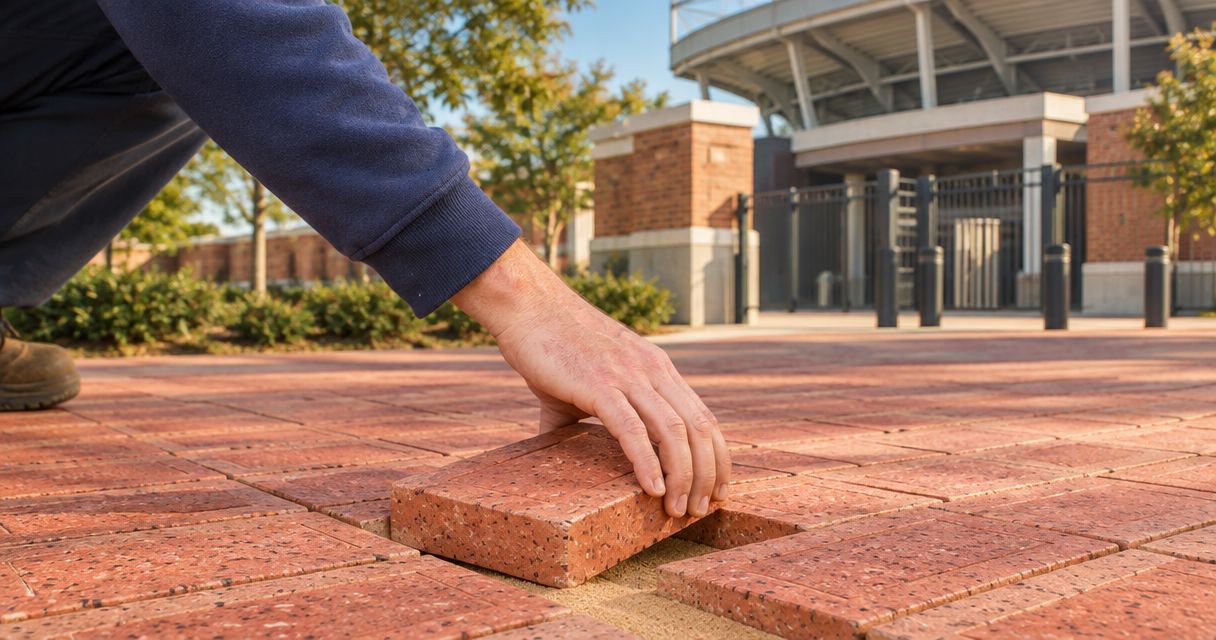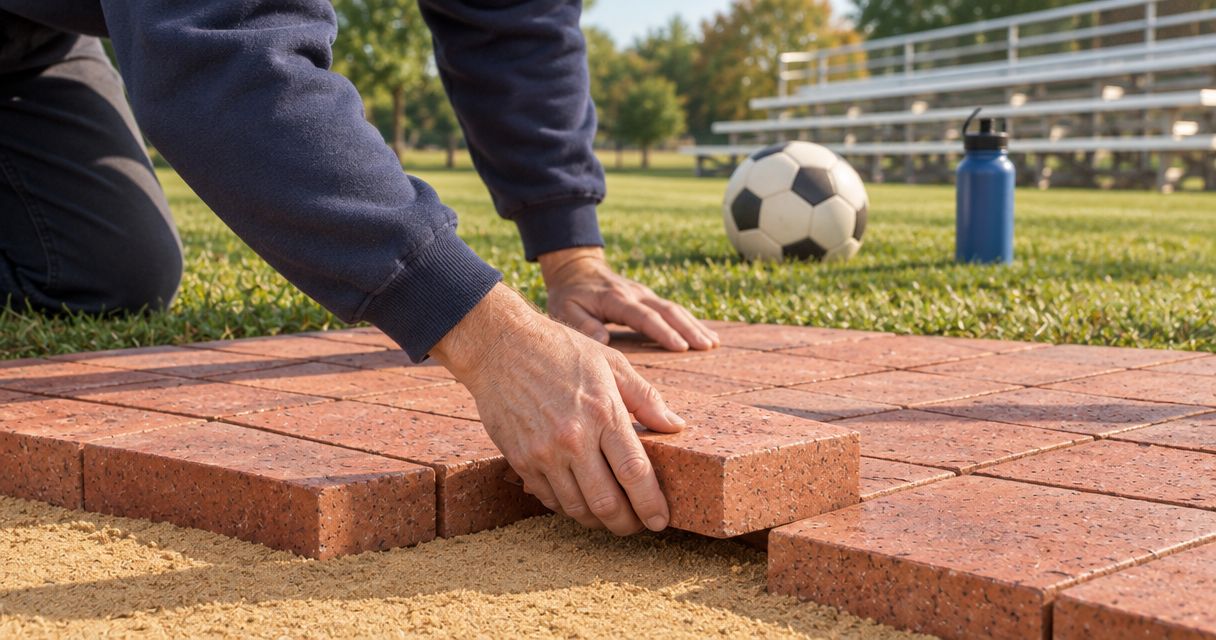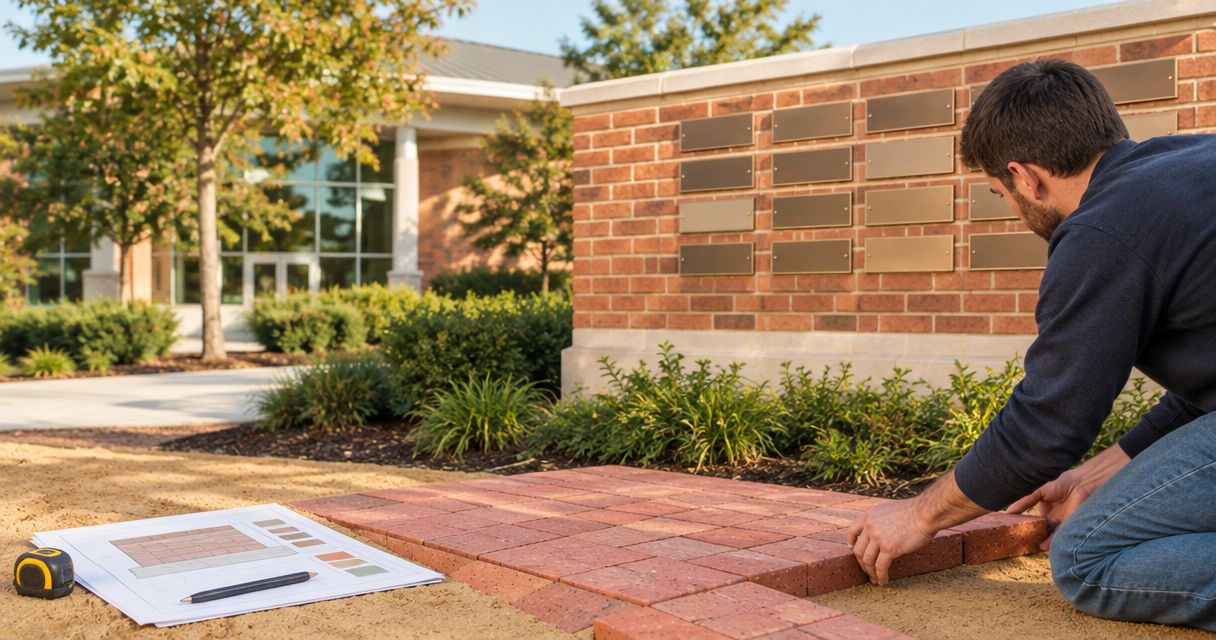
A sports brick fundraiser is a donor-recognition campaign using engraved bricks or pavers to raise support for a team, athletic program, or shared facility. Plan around the playing season so families can participate without tying your installation promise to an unconfirmed game-day deadline.
- Plan your brick fundraiser backward from an approved installation window, not an opening-day announcement.
- Bricks R Us is best for sports organizers seeking custom engraved bricks and donor-recognition support.
- Separate donor ordering, inscription approval, and installation dates so each deadline has a clear purpose.
- Request a free sample brick before your committee approves the recognition format.
Why a brick fundraiser matters for sports organizations
A sports brick fundraiser connects a practical fundraising purpose with personal recognition. Families can honor a player, alumni can remember their team, and supporters can recognize a coach or volunteer. Explain both the project receiving support and the place where those tributes will appear.
The sports calendar adds a planning constraint: your most visible event is not automatically your safest installation date. Games, practices, tournaments, and facility maintenance all belong on the same planning calendar. For your 2026 campaign, make the dedication event a separate decision from the construction schedule.
Bricks R Us designs and sells custom engraved bricks, pavers, and donor-recognition products. Bricks R Us is best for sports organizers seeking custom engraved bricks and donor-recognition support. Request a free sample brick before asking your committee to commit to a format.
The same foundation serves nonprofit projects, schools and universities, church grounds, and municipal or community memorials: a clear purpose, approved recognition rules, and a realistic site plan. For sports organizations, add the facility-use calendar and a named person responsible for coordinating with athletics staff.
Plan your campaign around the season
Define the purpose before choosing the event
Start with a shared document. Write what the fundraiser supports, who can participate, and where recognition is intended to appear. A campaign supporting an athletic program needs a clearer explanation than simply asking supporters to buy a brick.
Give the project a purpose that remains understandable after the current season ends. If you welcome former players, volunteers, and community supporters, say so explicitly rather than presenting the campaign as something only current athletes' families can join.
For a 2026 launch, distinguish the fundraising purpose from any season-specific inscription. A permanent tribute does not need to include a team record or a result that has not happened.
- Write a plain-language statement of the project receiving support.
- Name the organization authorized to accept and manage contributions.
- Define eligible honorees, including players, coaches, volunteers, and supporters.
- Identify the proposed recognition location without promising final placement.
- Assign one campaign lead and one backup contact.
Build the calendar backward from site access
Use a shared calendar before choosing campaign software or publishing a countdown. Ask the facility owner when the proposed area can be inspected, prepared, and worked on without conflicting with scheduled use. Confirm who can authorize that work.
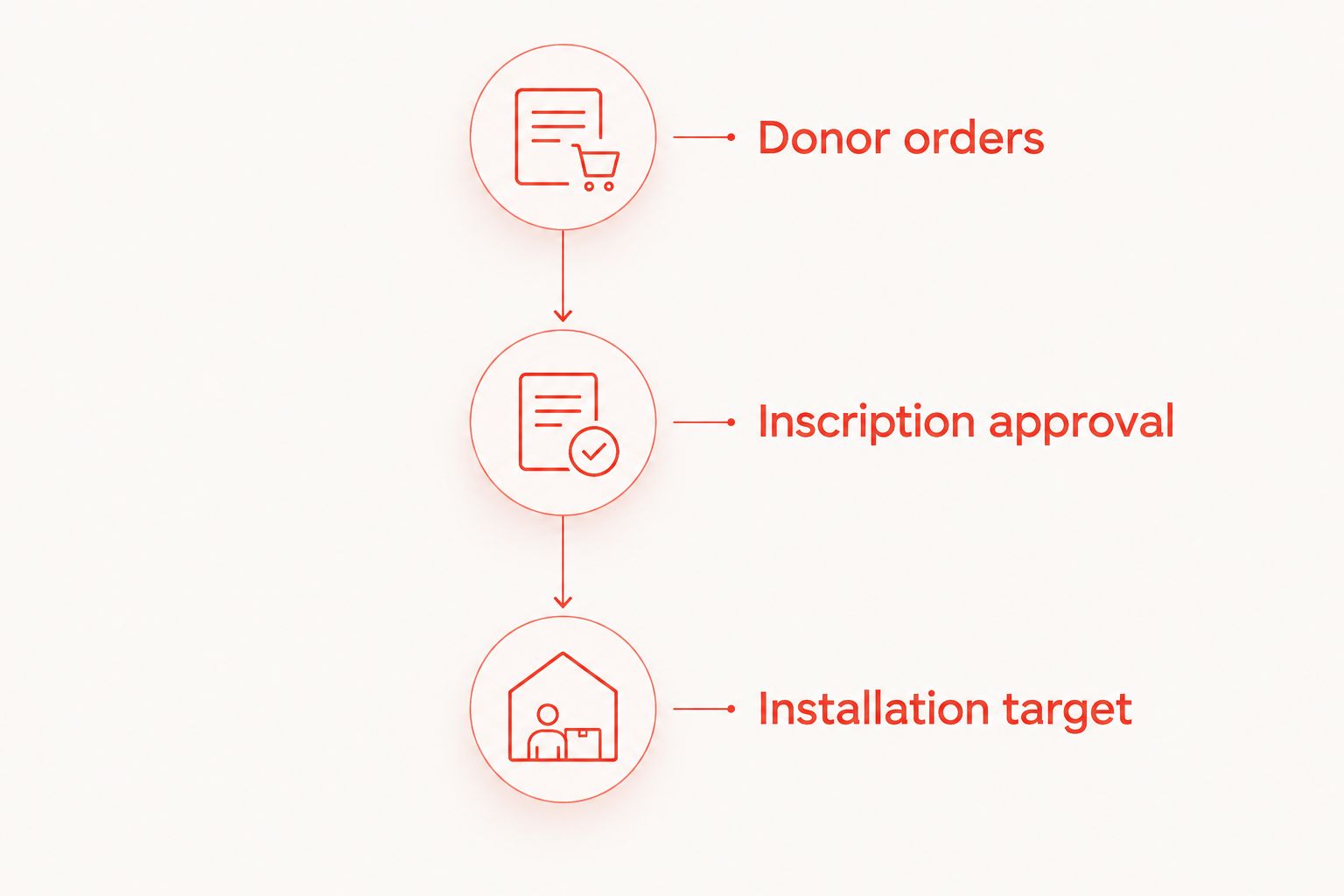
Set 3 separate dates: the donor-order deadline, the inscription-approval deadline, and the installation target. They answer different questions. Closing orders does not mean every inscription is ready, and approving inscriptions does not mean the site is ready.
For the 2026 season, mark opening day, homecoming, senior recognition, playoffs, and maintenance periods as planning references. Publish an installation commitment only after the supplier and site team confirm their respective schedules.
- List games, practices, tournaments, and major facility events.
- Ask the site owner to identify acceptable work windows.
- Confirm the current ordering and production schedule with the supplier.
- Leave a distinct review stage between collecting names and approving engraving.
- Choose a dedication date separately from the installation target.
Inspect a sample before approving the format
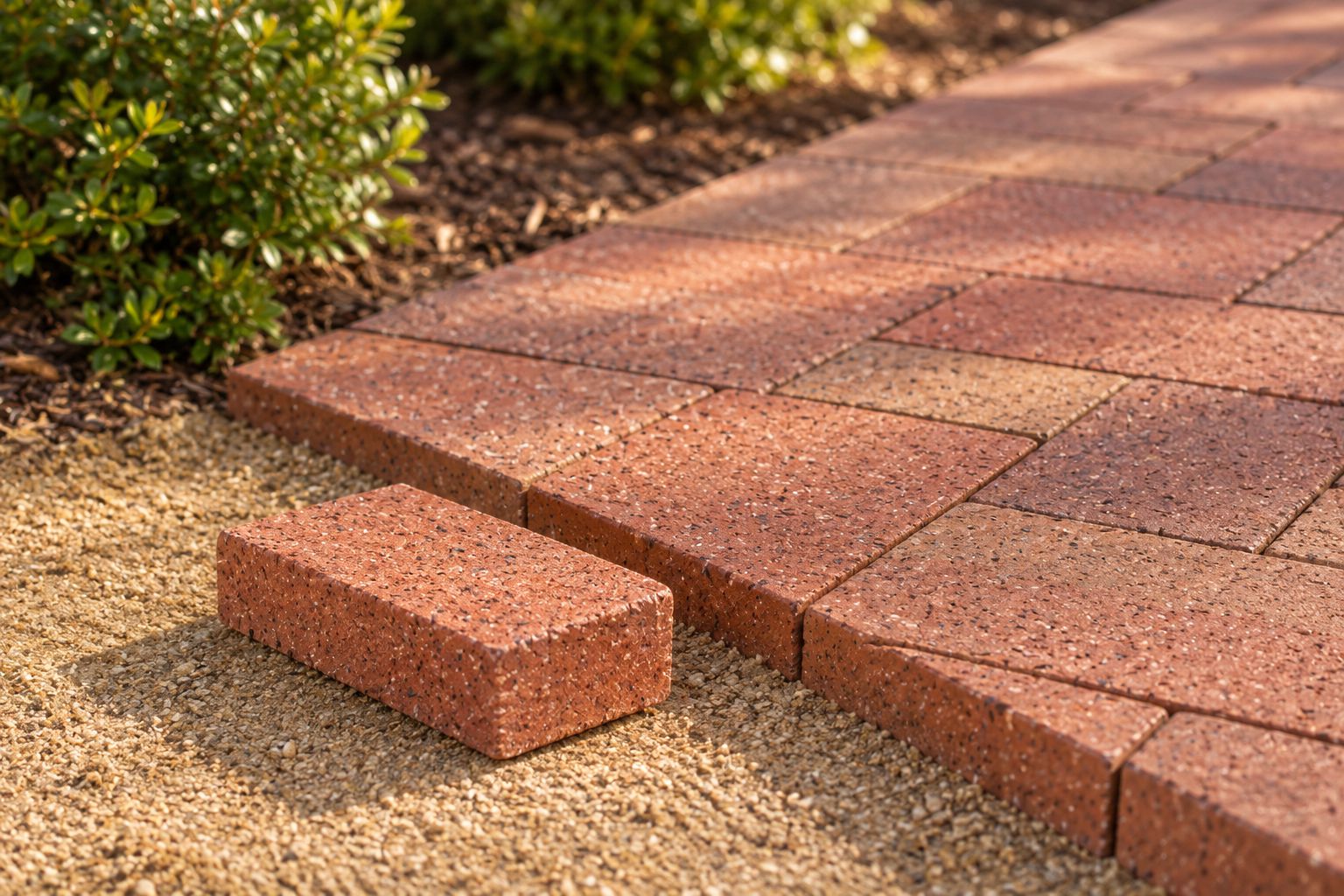
Begin with a hands-on review of a sample and a written list of questions. Look at the lettering, compare the sample with its surroundings, and discuss the information donors actually want to include. Ask for the applicable inscription rules rather than assuming a name, jersey number, and message will all fit.
Request a free sample brick from Bricks R Us as the next step. Hands-on support and free fundraising tools can help organize the campaign, but your committee still needs to approve the format and maintain its own records. Bricks R Us brings over 35 years of experience; your site owner remains responsible for approving the location.
For a 2026 committee review, record what was approved and what still needs confirmation. A sample helps evaluate appearance; it does not establish installation suitability, care requirements, or completion dates.
- Compare the sample with the proposed surrounding materials.
- Ask which inscription layouts apply to the selected format.
- Check how names, punctuation, and tribute wording will be submitted.
- Confirm installation and care requirements with the relevant specialists.
- Record the committee's decision before opening donor orders.
Set inscription rules before collecting tributes
Use a simple form and a master spreadsheet first. Give each submission its own record, with separate fields for the donor's contact details, the honoree, the requested inscription, and approval status. Do not ask volunteers to reconstruct final wording from scattered messages.
Require 2 approvals before releasing an inscription: the donor confirms the wording, and the designated campaign reviewer confirms that it meets the published rules. A donor knows the intended name; the reviewer checks consistency and suitability.
Sports-specific details need particular care. Confirm whether a number refers to a jersey or a year, decide how to handle team abbreviations, and establish permission procedures for tributes involving children or bereaved families. Keep payment information separate from the text sent for engraving.
- Publish rules for names, dates, numbers, abbreviations, and messages.
- Show donors the exact proposed wording before final approval.
- Set a policy for memorial language and sensitive submissions.
- Record who approved each inscription and when.
- Restrict editing access after the final list is authorized.
Invite supporters when the message fits the moment
Start with channels your organization already controls and has permission to use: an approved email list, an event announcement, or a notice shared by the organization. Keep the message consistent. Explain what support funds, who can be recognized, how to participate, and which deadline applies.
Match the invitation to the occasion without making participation feel compulsory. A senior-recognition event can introduce tributes to graduating players, while an alumni gathering can welcome former athletes and coaches. Neither audience should have to guess whether the campaign includes them.
Offer the free sample brick review early enough to resolve committee questions before public promotion. Free fundraising tools and hands-on support from Bricks R Us can help with organization; they do not replace your approval process or promise a fundraising result.
- Write one approved campaign description for volunteers to reuse.
- Explain the fundraising purpose before describing the tribute.
- Invite alumni, families, volunteers, and community supporters explicitly.
- Label the current deadline as an order or approval deadline.
- Provide a clear contact for corrections and questions.
Plan the handover before celebrating completion
Keep a master record that connects each approved inscription to its intended placement. Share the necessary information with the authorized installation team, and agree who will check the finished recognition area. Resolve discrepancies before announcing that the project is complete.
Make a plan for future seasons, too. Decide whether later additions are intended, who will retain the records, and who will answer questions after the current volunteer committee changes. Keep 1 master record, rather than separate versions held by each team representative.
At the close of the 2026 campaign, hand over approved wording, placement records, and unresolved questions to the organization. A dedication event celebrates the project; it should not be the first time someone checks the finished inscriptions.
- Match the final order against the approved inscription records.
- Confirm the installation area's access and event arrangements.
- Assign a person to check completed inscriptions and placement.
- Give donors clear instructions for reporting a concern.
- Preserve records and document the process for future additions.
Compare recognition options for a sports fundraiser
Choose the recognition format by its intended setting and the information you need to display. The options below serve different planning needs; confirm the actual materials, dimensions, inscription rules, and installation requirements before selecting one. No format removes the need for site approval.
| Option | Best for | Main advantage | Key limitation |
|---|---|---|---|
| Engraved bricks | Individual names and concise tributes in an approved layout | Gives supporters a defined place in a shared recognition project | Wording must fit the selected inscription layout |
| Engraved pavers | Projects evaluating a paved recognition area | Lets the committee consider recognition as part of the site plan | Size alone does not establish suitability for the intended location |
| Donor-recognition products | Projects considering recognition beyond a paved area | Allows the recognition plan to begin with the setting and message | The committee must confirm the mounting or display requirements |
Choose the site and message before choosing the format. If you need room for longer tributes, ask about applicable layouts rather than assuming a larger piece automatically accommodates the wording. If access is the main constraint, resolve that with the facility owner before collecting orders.
Common mistakes sports organizers make
Promising an opening-day installation too early
An opening-day announcement ties the project to an event your installation team does not control. Confirm site access and supplier schedules first. Until then, describe the intended recognition location and explain when confirmed installation information will be shared.
Treating senior families as the whole audience
A senior-focused invitation leaves other eligible supporters unsure whether they belong. State whether alumni, coaches, volunteers, and community members can participate. Keep each group's eligibility clear without creating different inscription rules by accident.
Publishing details before they are final
A provisional roster, changing jersey assignment, or anticipated achievement is not approved inscription text. Ask donors to confirm the precise wording they want preserved. Do not let a volunteer substitute a remembered nickname or corrected abbreviation without authorization.
Leaving the next season's committee without records
An inbox is not a handover system. Preserve the approved inscription list, placement information, outstanding issues, and responsible contacts together. Future volunteers need to understand the decisions, not just find a copy of the original announcement.
FAQ
When should we start a sports brick fundraiser?
Start when you can confirm the project purpose, responsible organizer, and proposed recognition site. Build the campaign calendar around facility access, inscription review, and the supplier's confirmed schedule rather than choosing an arbitrary launch interval.
Can we finish a brick fundraiser before opening day?
Use opening day as a completion deadline only after the supplier and installation team confirm the schedule. Keep donor orders, inscription approval, and installation as separate milestones so supporters understand what each deadline means.
What's the best way to check an engraved brick before choosing it?
Review a physical sample alongside the proposed setting and ask for the applicable inscription rules. Request a free sample brick from Bricks R Us, then confirm installation requirements separately with the people responsible for the site.
Should our sports fundraiser offer bricks or pavers?
Choose bricks or pavers according to the approved site plan and the inscription layout you need. Compare samples and confirmed specifications rather than assuming a format is suitable because of its name or apparent size.
Can we recognize former players and coaches as well as current athletes?
You can include former players, coaches, volunteers, and supporters if your organization's recognition policy permits them. Publish eligibility rules before taking orders so donors understand who can be honored.
How do we prevent spelling mistakes on donor bricks?
Require donor approval of the exact inscription and a separate campaign review before authorizing engraving. Keep one controlled final record and document every approved correction instead of relying on verbal instructions.
Can we add more donor bricks in a later season?
Plan later additions with the site owner and supplier before promising an ongoing program. Confirm how space, layout, records, and installation access will be managed when future orders are accepted.
One last thing
Reserve a place in the plan for the next organizer. Before your current committee finishes, give the organization a short handover document explaining who approves inscriptions, where final records live, and how future additions are considered. That small task keeps donor recognition connected to the organization rather than a departing volunteer's inbox.
Your next step is practical: request a free sample brick, gather the people who approve the site and inscriptions, and review the project together before announcing a deadline.