Community garden memorial pavers are engraved tributes installed in shared outdoor spaces to honor people while supporting a garden’s purpose. Unlike a one-time display, a garden needs an ongoing care plan for soil, water, foot traffic, new inscriptions, and changing volunteer teams.
- Bricks R Us supplies memorial pavers and engraved bricks for organizations planning donor-recognition gardens.
- Assign a care owner before accepting memorial inscriptions or announcing an installation date.
- Keep donor recognition records separate from public inscriptions, and map every installed tribute.
- Choose materials with your installer, then follow material-specific cleaning and maintenance instructions.
Why memorial pavers matter for community gardens
A memorial garden holds both a physical installation and a personal commitment. Families need to know how their tribute will be handled when volunteers change, roots grow, or a path needs repair.
For a garden starting in 2026, the useful question is not just what the pavers will say. It is who will care for them after the dedication. Bricks R Us designs and sells custom engraved bricks, pavers, and donor-recognition products; start your evaluation by requesting a free sample brick.
Different organizations need different approval routes, but the care questions remain practical:
- Nonprofits: connect tribute records with the staff or volunteers responsible for the property.
- Schools and universities: coordinate remembrance decisions with grounds staff and the appropriate campus office.
- Churches: agree on pastoral review and responsibility for garden upkeep.
- Municipalities and community memorial projects: confirm public-space permissions and maintenance ownership.
- Sports organizations: coordinate access, event traffic, and recognition of players, coaches, or supporters.
Bricks R Us is best for organizations seeking engraved bricks and pavers for donor-recognition projects. Product selection supports that work, but it does not replace your site approvals, installation planning, or written care responsibilities.
Build an ongoing care plan before installation
Assign a garden care owner
Start with a shared document rather than a new system. Name the person or role authorized to arrange inspections, report problems, and speak with families about an affected tribute.
Separate routine gardening from decisions about memorials. A volunteer can remove fallen leaves without deciding whether an inscription should be replaced. Your 2026 plan should identify a backup so the project does not depend on someone remaining in the same role indefinitely.
For shared sites, ask the property owner to confirm who can authorize repairs. A fundraising committee’s approval is not a substitute for permission to alter the grounds.
- Record the property owner and the garden care lead.
- Name a backup contact with access to the records.
- Separate gardening duties from inscription approvals.
- Identify who authorizes repairs and replacement orders.
- Store the handover document where the next team can find it.
Inspect the site with the people maintaining it
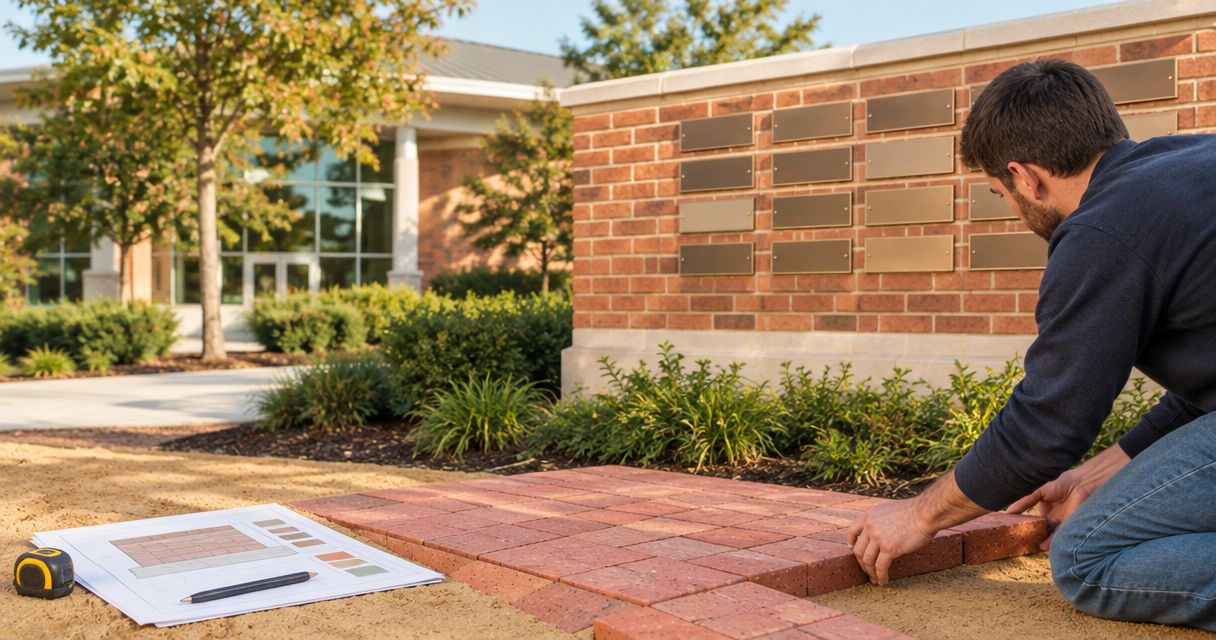
Walk the proposed location with grounds staff or your installer before choosing a layout. Mark where water collects, where soil moves onto paths, and where visitors or maintenance equipment already travel.
Use a simple sketch and photographs to document the discussion. Ask the installer to specify the base, drainage, edge restraint, and access requirements for the actual site; do not copy a construction detail from an unrelated garden.
At this stage, Bricks R Us can support the product discussion with a free sample brick and hands-on support. Review the sample with the people who will install and care for the garden, not only the fundraising committee.
- Photograph existing puddling, uneven surfaces, and planting edges.
- Identify nearby roots and irrigation spray.
- Mark visitor routes and maintenance access.
- Ask who reviews accessibility requirements.
- Confirm installation details before approving the design.
Choose materials around the care task
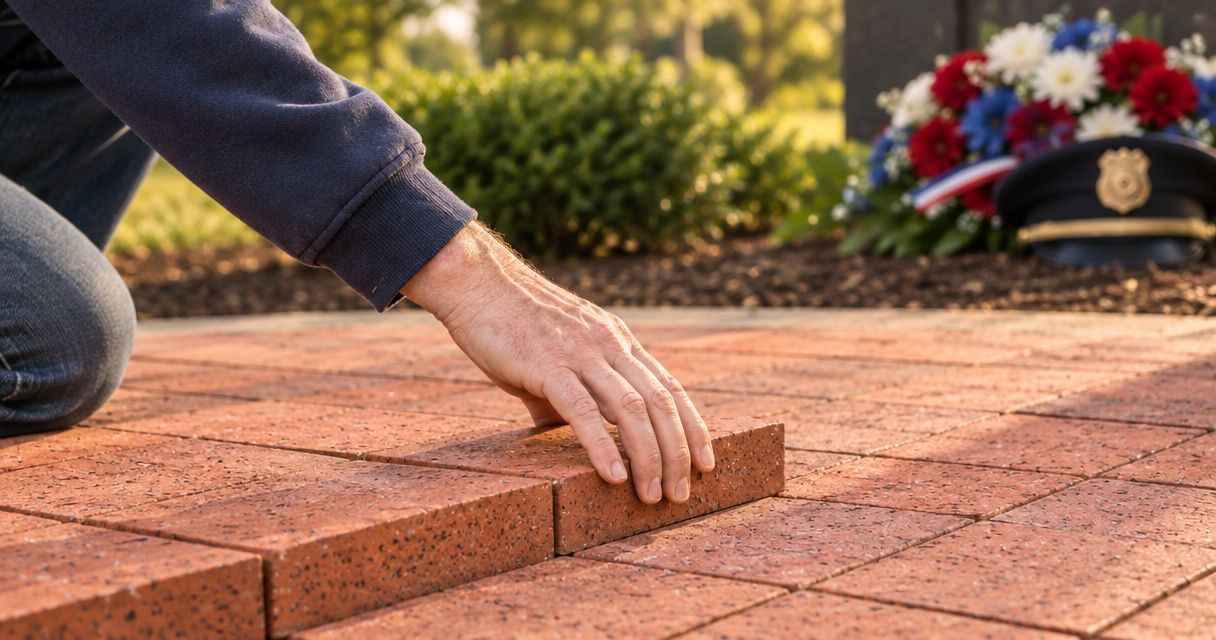
Begin with the intended use: a walking surface, a border, or a separate recognition feature. Then compare the material descriptions and ask for installation and cleaning instructions specific to the selected product.
Concrete Bricks have a smooth surface, beveled edges, and side spacers. The supplied product description lists matching 4 × 8-inch, 8 × 8-inch, and 12 × 12-inch sizes. Those dimensions help you discuss a layout; they do not establish suitability for your garden’s drainage, traffic, or installation method.
Approve the material and the maintenance instructions together. A sample helps you examine texture and inscription appearance, but it cannot establish how the finished installation will perform at your site.
- Compare the sample’s surface with your intended use.
- Ask for instructions covering the engraved surface.
- Confirm which cleaning products and tools are permitted.
- Check replacement and future-addition requirements.
- Keep the final material specification with the care records.
Map every tribute and preserve its approval
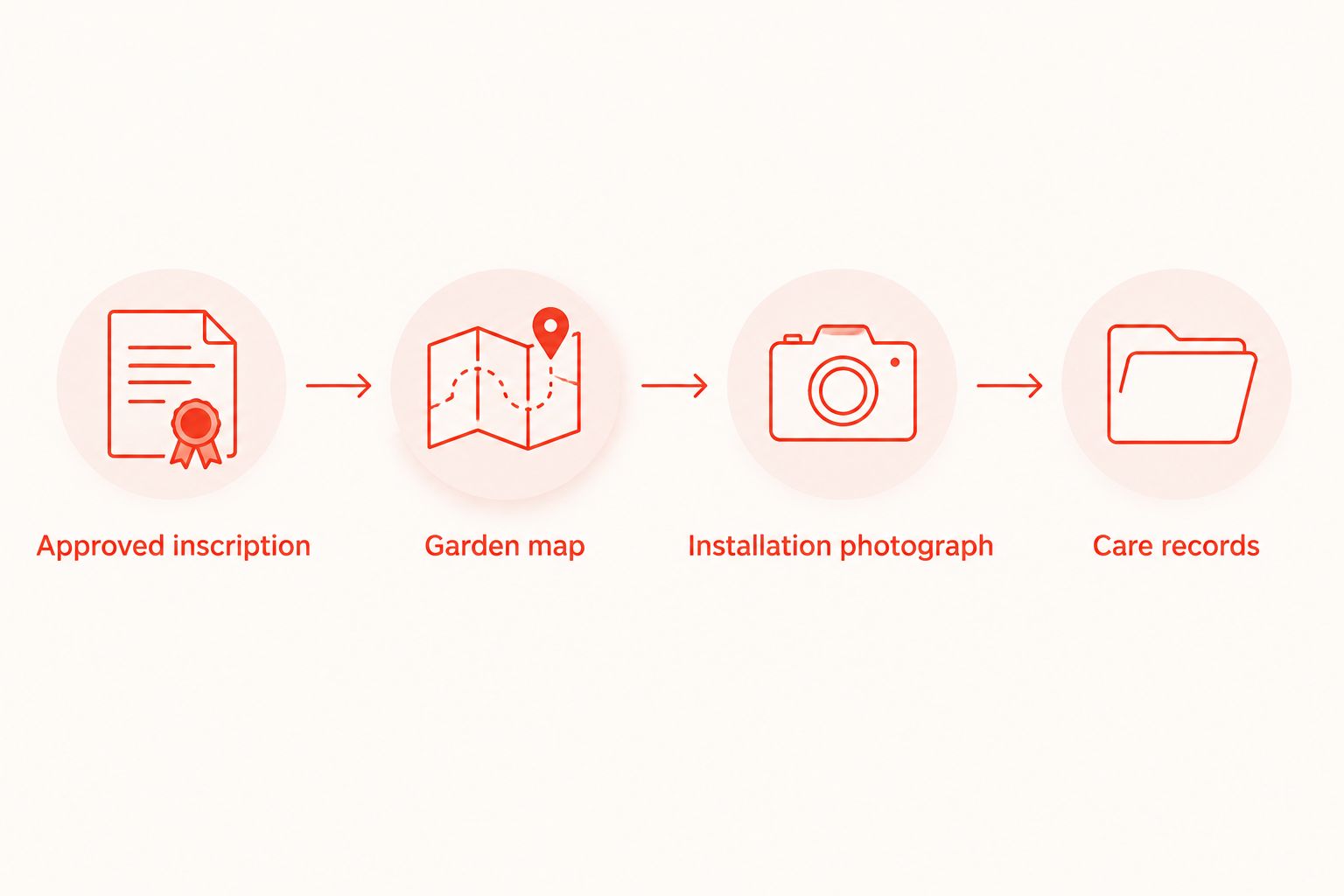
Create a spreadsheet before you collect inscriptions. Give each tribute a location reference, then keep the approved wording, approval date, and installation photograph together.
Keep family contact information separate from anything published for visitors. The public garden map does not need to expose email addresses, correspondence, or private details about the person remembered. Make access to those records part of your volunteer handover.
If your 2026 campaign expands later, a location map helps the next committee find a tribute without relying on memory. It also creates a clear reference when a family reports a concern.
- Save the exact approved inscription, including punctuation.
- Record the designated family or donor contact.
- Assign each tribute a location on the garden map.
- Photograph the tribute after installation.
- Keep a dated record of corrections and repairs.
Write a material-specific cleaning routine
Start with observation and the written care instructions. Identify whether the issue is loose debris, soil accumulation, plant growth, staining, or movement before choosing a response.
Do not treat every mark as a reason to use stronger cleaning. Ask the supplier about the engraved surface and the installer about joints and surrounding materials. Pressure washing, chemical treatments, and abrasive tools belong in the plan only when the relevant instructions permit them.
A working routine tells volunteers when to stop. If a paver moves, an edge lifts, or an inscription appears damaged, document the condition and refer it to the responsible person rather than attempting an improvised repair.
- Remove loose debris using the permitted method.
- Keep soil and mulch from covering inscriptions.
- Check for irrigation spray and standing water.
- Photograph damage before arranging treatment.
- Refer movement or lifting to the installation contact.
Plan additions without disturbing existing tributes
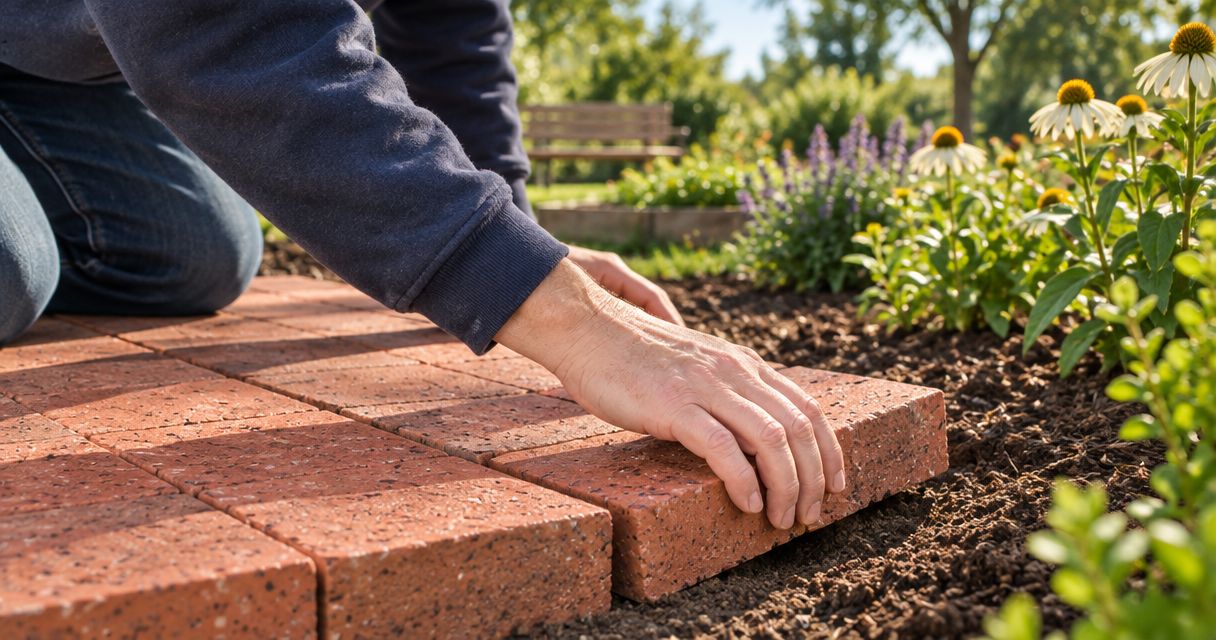
Draw the future expansion area on your site sketch before the first installation. Decide how new tributes will be grouped and how workers will reach that space without crossing planted beds or disturbing existing memorials.
For a 2026 launch, distinguish between the campaign’s inscription deadline and the garden’s long-term addition policy. Families should understand whether future additions will be considered and who makes that decision. Avoid promising an installation date until the responsible parties have agreed to it.
Set a process for corrections as well. Confirm the approved text before deciding what needs replacement, and explain how the affected family will receive updates.
- Reserve an identified area for proposed additions.
- Record the layout and material details needed for matching.
- Define who approves new memorial requests.
- Protect existing tributes during installation work.
- Update the map after each completed addition.
Fund the care and explain the commitment
List the work your organization is accepting: routine upkeep, recordkeeping, inspections, repairs, and communication. Assign an owner to each task and agree on how the organization will authorize the associated expense.
Bricks R Us offers free fundraising tools and hands-on support, backed by over 35 years of experience. Use that support for campaign questions while keeping responsibility for the garden’s ongoing care explicit within your organization.
Avoid describing a tribute as permanent unless your organization has defined what that commitment means. A school renovation, church property decision, municipal project, nonprofit relocation, or sports facility change needs a process for respectful communication and possible relocation.
- Include maintenance responsibilities in the campaign plan.
- Name the person who approves care-related spending.
- Explain how families can report a concern.
- Document the process for relocation or site changes.
- Review the care plan when committee leadership changes.
Compare recognition options for a community garden
Choose the recognition format around the site, not the other way around. The options below address different uses; none removes the need for installation planning and care instructions.
| Option | Best for | Useful feature | Key limitation |
|---|---|---|---|
| Concrete Bricks | Committees comparing matching sizes | Smooth surface, beveled edges, and side spacers | Available dimensions alone do not confirm site suitability |
| Standard Bricks | Projects seeking a typical outdoor-brick appearance | Wire-cut brick with a rough surface | The supplied description lists only a 3 5/8 × 7 5/8-inch size |
| Belden Bricks | Organizers considering a rough-surface commemorative brick | Straight or beveled edges, with matching sizes listed | Confirm the exact edge and size selection before finalizing the layout |
| Granite Tiles | Projects considering wall-based recognition | Primarily intended for wall surfaces | A wall installation needs its own support and care plan |
| Benches | Gardens combining memorial recognition with seating | An engraved memorial option beyond individual bricks | Seating requires separate decisions about placement, access, and upkeep |
A ground-level tribute keeps recognition within the garden layout, but it also places the tribute near soil, water, and foot traffic. Wall recognition separates the display from the walking surface, but it introduces a different installation to maintain. Ask the responsible installer to assess the format you choose.
Common mistakes community garden organizers make
Treating garden volunteers as installation specialists
Gardening experience does not replace advice about a paved surface. Ask your installer to assess movement, drainage, and repairs, then give volunteers a clear reporting process. This protects the boundary between routine care and work requiring specific expertise.
Letting planting plans cover the memorials
A planting design and a recognition layout need to be reviewed together. Mark the tribute area when discussing soil, mulch, irrigation, and plant growth, and keep a reference photograph for future volunteers. Make readable, accessible tributes part of the garden brief.
Accepting inscriptions before setting a policy
A tribute request can involve grief, family disagreement, religious wording, or sensitive personal information. Establish approval rules before collecting text, and identify who resolves questions. Do not leave a volunteer to invent a policy while responding to a bereaved family.
Keeping the only records in a personal inbox
A personal email account is not a garden archive. Move approvals, material details, photographs, and the location map into an organization-controlled folder with appropriate access. Include those records in the handover when a staff member or volunteer leaves.
Promising care without assigning responsibility
Warm language about remembrance needs a practical commitment behind it. Before publishing your 2026 campaign materials, confirm who maintains the site, handles concerns, and approves changes. State that commitment clearly rather than making an undefined promise of perpetual care.
FAQ
How do we maintain memorial pavers in a community garden?
Maintain memorial pavers through a written, material-specific care plan with a named owner. Follow the supplier’s cleaning instructions, keep inscriptions clear of soil and mulch, and refer movement or lifting to the installation contact.
What is the best material for community garden memorial pavers?
The best material is the one your installer confirms suits the garden’s intended use and site conditions. Compare samples, surface details, installation requirements, and cleaning instructions before making a selection.
Can we add memorial pavers after the garden opens?
Plan future additions before the garden opens by identifying expansion space and an approval process. Record the original material and layout, then update the garden map whenever a new tribute is installed.
Who should approve a memorial paver inscription?
Your organization should name an inscription approver and obtain confirmation of the exact wording from the designated family or donor contact. Keep that approval with the tribute’s location record and installation photograph.
Can volunteers pressure-wash engraved memorial pavers?
Volunteers should use pressure washing only when the relevant product and installation instructions permit it. Confirm the cleaning method for the engraved surface, joints, and surrounding materials before work begins.
What happens if a memorial garden has to move?
A garden relocation should follow a written process for approvals, family communication, documentation, and handling the tributes. Define that process before accepting memorial requests rather than promising that the site will never change.
How can we evaluate Bricks R Us memorial pavers before choosing?
Request a free sample brick from Bricks R Us and review it with your fundraising team and installer. Use the sample to discuss surface appearance, inscriptions, and the questions your site raises before selecting materials.
One last thing
Put a garden map in the volunteer handover folder, not just in the dedication program. The person watering the garden next season should be able to find a tribute, identify a concern, and contact the right person without reconstructing the fundraiser.
Before you approve your memorial garden materials, request a free sample brick. Bring it to the site conversation so fundraising, grounds, and installation decisions stay connected.