Best overall: an engraved tile donor wall. Best for a single dedication: an individual recognition plaque. Best for ongoing campaigns: an expandable donor wall. This 2026 guide compares donor recognition plaques with brick and bench alternatives so you can choose a format that fits your site, supporters, and future plans.
- For donor recognition plaques, choose an engraved tile wall when you need a shared display of individual names.
- Choose an individual dedication plaque for one honoree, project, or named space.
- Reserve room for future names before approving an expandable donor wall.
- Bricks R Us offers engraved bricks, pavers, and donor-recognition products for organizations planning fundraising campaigns.
Why this matters
Donor recognition is both a thank-you and a public record. Your display needs to acknowledge supporters clearly without creating confusion about names, memorial wording, or future additions.
Choose the recognition format before you collect inscriptions. A campaign built around short individual names needs a different layout from one that accepts family tributes or organizational acknowledgments. For a brick-based option, contact Bricks R Us to request a free sample brick before approving your campaign materials.
Bricks R Us is best for organizations seeking engraved brick, paver, and donor-recognition products for fundraising projects. Its over 35 years of experience, free fundraising tools, and hands-on support give organizers practical help as they prepare their campaigns.
What makes the best donor recognition plaques?
Use these criteria to compare styles before discussing appearance:
- Location: Decide whether recognition belongs on a wall, along a walkway, or beside a gathering space. Confirm the proposed material and installation method for that location.
- Readability: Review actual lettering, spacing, and contrast. A layout that works on a screen still needs an in-person check.
- Recognition purpose: Separate donor acknowledgments, memorial tributes, and building dedications. Each needs its own wording rules.
- Future additions: Decide whether the display closes after one campaign or continues accepting names.
- Approval and care: Name the person responsible for inscription approval, installation coordination, and ongoing maintenance.
For your 2026 project, write these decisions into a short brief. That brief gives the fundraising team, facilities staff, and governing committee the same starting point.
Donor recognition styles at a glance
The ranking below reflects organizational use cases, not a claim that one material outperforms every other material. Bricks and benches are alternatives to wall plaques, not interchangeable plaque products.
| Rank and style | Best for | Standout feature | Key limitation |
|---|---|---|---|
| 1. Engraved tile donor wall | A shared display of individual names | Separate engraved units within one recognition area | Requires a coordinated wall layout and mounting plan |
| 2. Individual dedication plaque | One honoree, project, or named space | A focused acknowledgment in a defined location | Separate plaques need placement rules as recognition grows |
| 3. Expandable donor wall | Campaigns that keep accepting supporters | A layout planned around future additions | Requires continuing recordkeeping and an update process |
| 4. Engraved brick or paver recognition | Outdoor tribute paths and courtyards | Recognition incorporated into a landscape project | Ground placement needs site and access planning |
| 5. Engraved memorial bench | A tribute connected to a place to pause | Combines recognition with seating | Requires an approved location and a care plan |
1. Engraved tile donor wall: best for a shared display
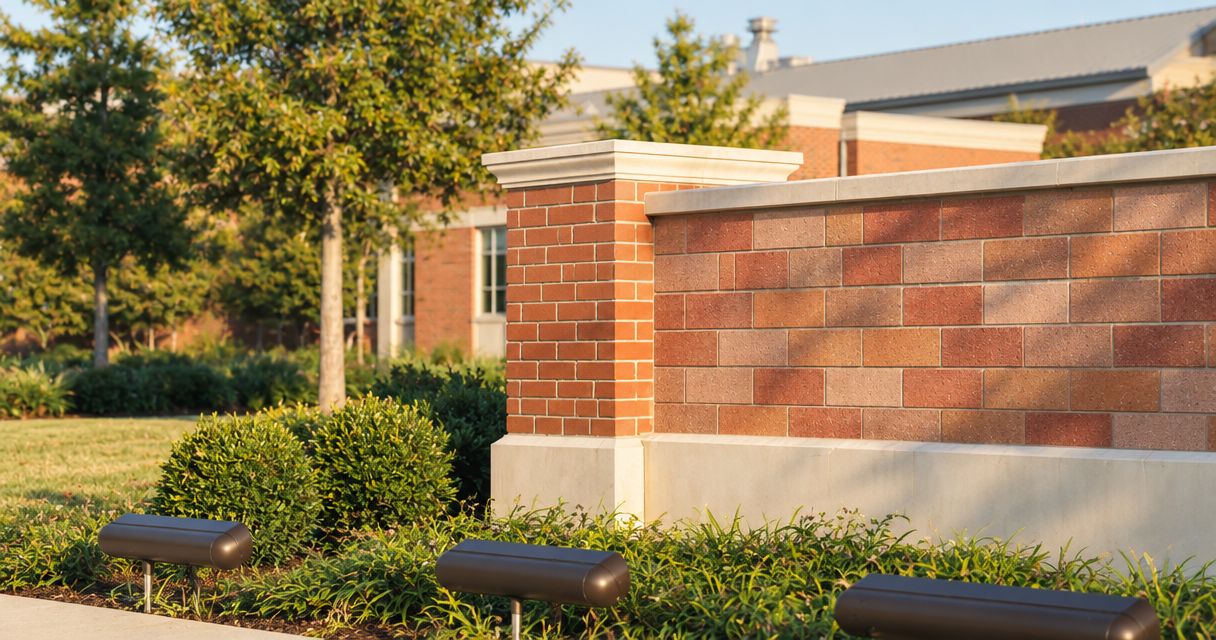
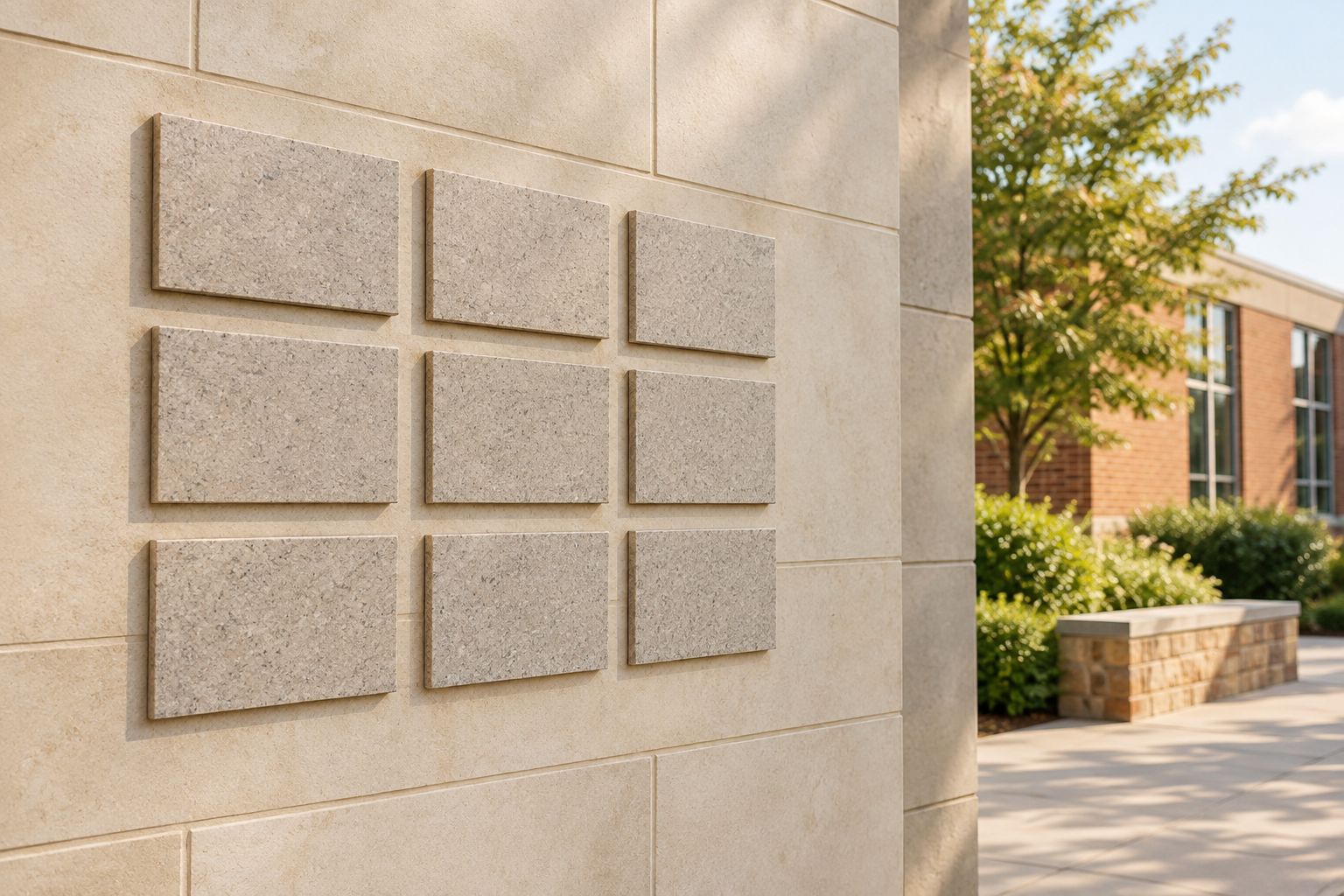
An engraved tile donor wall brings individual acknowledgments into a coordinated wall display. It suits a nonprofit entrance, university department, church gathering area, municipal community center, or sports facility where visitors can stop and read.
Bricks R Us offers Granite Tiles and Marble Tiles primarily for wall surfaces. Both product descriptions list matching 4 × 8-inch, 8 × 8-inch, and 12 × 12-inch sizes with a 1/2-inch thickness. Use those dimensions to discuss layout options, not as a substitute for an installation plan.
Engraved tile donor wall pros:
- Gives individual names a defined place within a shared display.
- Supports a consistent inscription format across participating donors.
- Lets your committee evaluate the wall layout before engraving begins.
Engraved tile donor wall cons:
- Requires a mounting approach approved for the actual wall.
- Needs reserved space if future names will be added.
Best for: Organizations recognizing multiple supporters in one visible location.
Verdict: Buy this style when your wall location and inscription rules are approved. Review a physical sample before committing to the complete display.
2. Individual dedication plaque: best for one named space
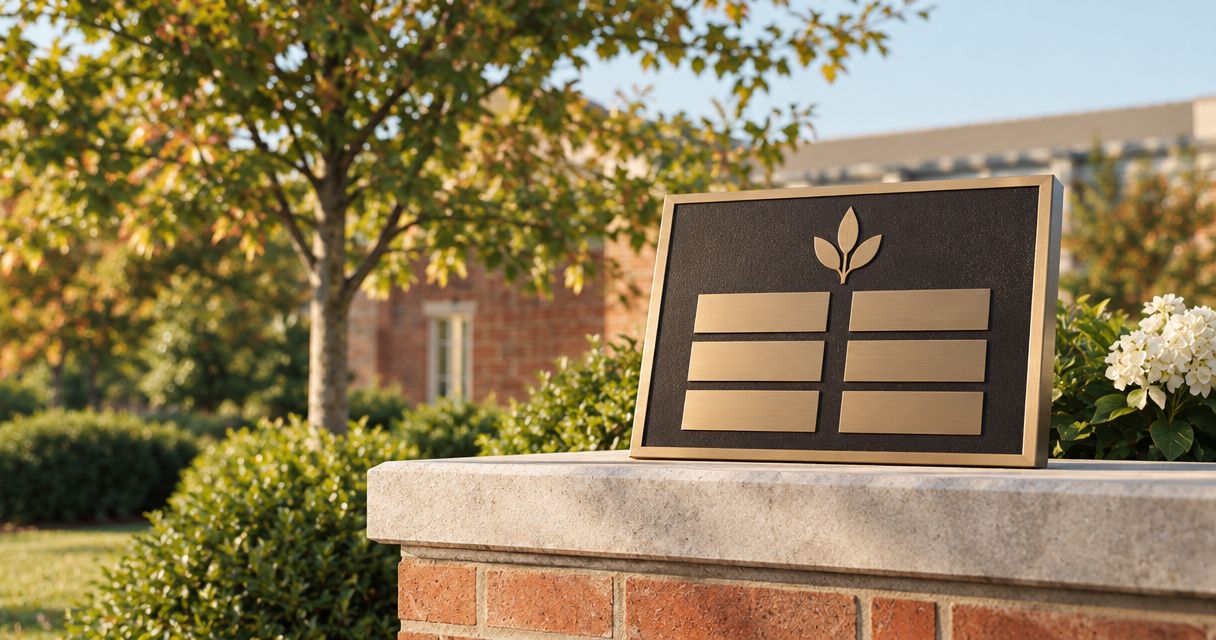
An individual dedication plaque focuses attention on one person, group, or project. Choose this approach when your recognition belongs beside a particular room, garden entrance, memorial feature, or completed improvement rather than within a long donor list.
Keep the wording connected to that location. A dedication should explain who is being acknowledged and why, without asking readers to interpret campaign language that has lost its context.
Individual dedication plaque pros:
- Keeps one acknowledgment easy to find.
- Connects the tribute directly to the named place or project.
- Allows wording tailored to the dedication's purpose.
Individual dedication plaque cons:
- Does not provide a shared system for recognizing many supporters.
- Requires placement rules if additional dedications are proposed nearby.
Best for: A nonprofit project dedication, campus room acknowledgment, church memorial, public-space tribute, or sports facility dedication.
Before approving a dedication in 2026, confirm permission to publish the name and approve the exact relationship language. Distinguish a gift made by a donor from a gift made in honor of someone else.
Verdict: Buy this style for a clearly defined dedication; skip it as a substitute for a growing donor directory.
3. Expandable donor wall: best for ongoing campaigns
An expandable donor wall is a recognition system designed to accept future names. The defining feature is the update plan, not a particular material: establish where additions go, how they are approved, and who maintains the record.
This differs from a completed tile wall with a fixed donor list. A school foundation, congregation, community center, nonprofit, or sports organization accepting continuing gifts needs room for later participants without reorganizing every acknowledgment.
Expandable donor wall pros:
- Makes future recognition part of the original plan.
- Establishes a repeatable process for new inscriptions.
- Supports consistent treatment across campaign phases.
Expandable donor wall cons:
- Requires someone to maintain the donor record after launch.
- Alphabetical placement needs a specific strategy as names are added.
Best for: Organizations that expect recognition to continue beyond the initial campaign.
Use the guide to organizing donor names for a recognition wall before choosing an arrangement. Decide whether names follow an alphabetical list, campaign groups, or another clearly explained policy.
Verdict: Buy this style when a named staff member or volunteer owns future updates. Hold if nobody has accepted that responsibility.
4. Engraved brick or paver recognition: best for outdoor tributes
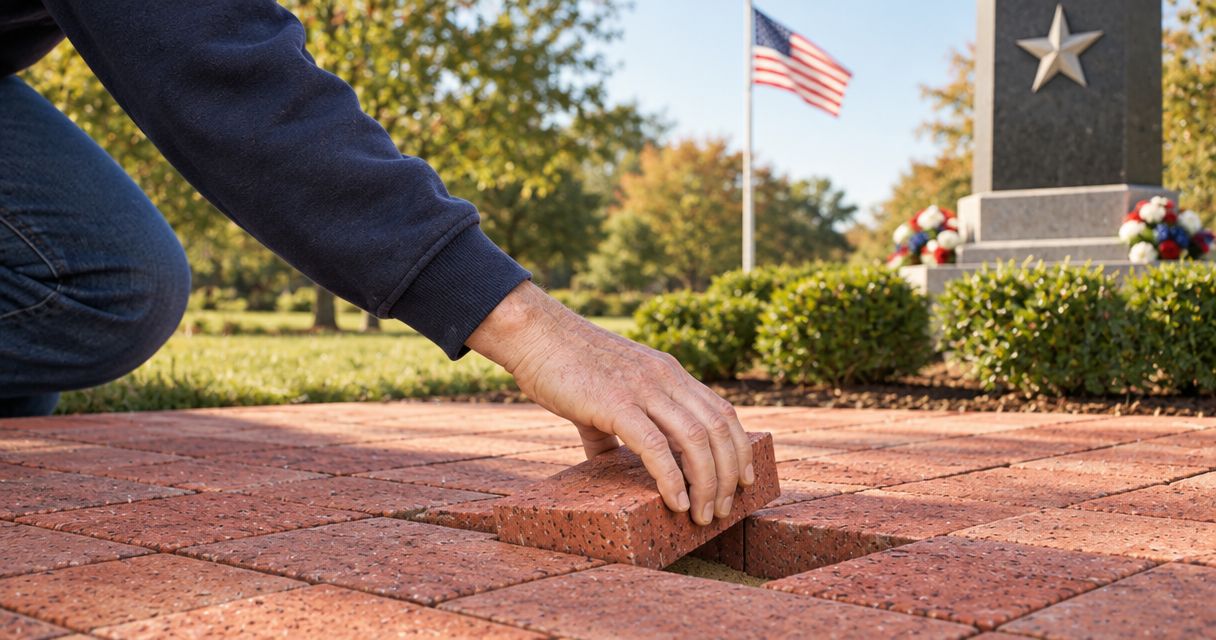
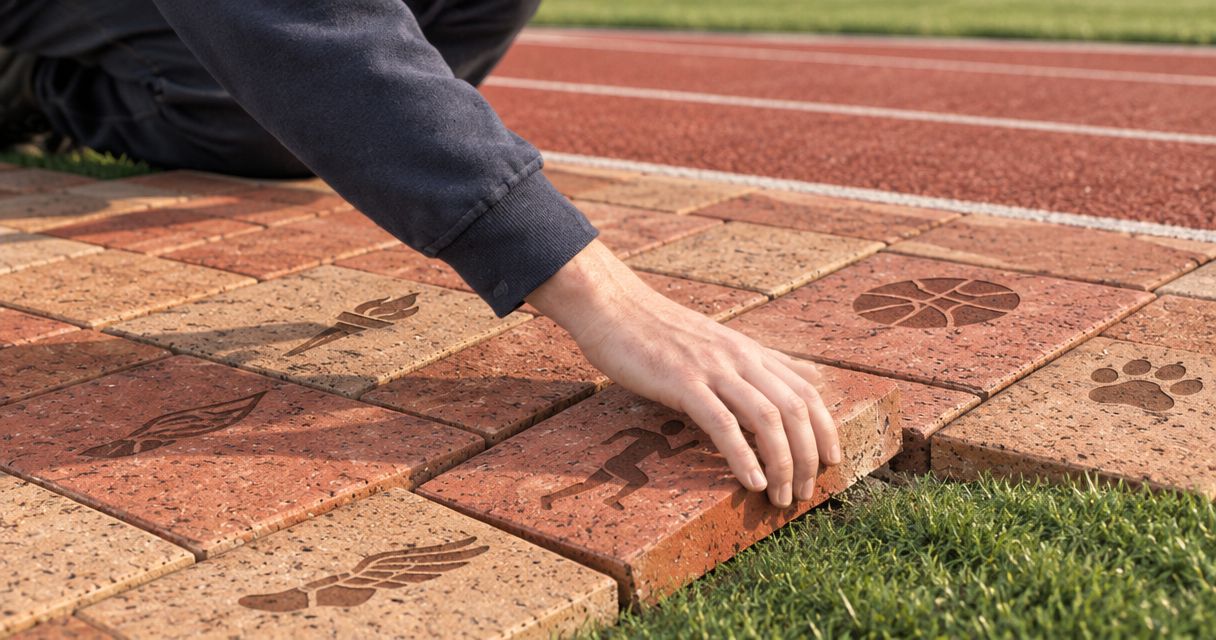
Engraved bricks and pavers move donor recognition from a wall into a landscape project. Consider them for a nonprofit courtyard, campus walkway, church garden, municipal memorial, or sports facility entrance.
Bricks R Us designs and sells custom engraved bricks and pavers for fundraising campaigns. These are alternatives to donor recognition plaques when the intended experience is a shared outdoor setting rather than a wall-mounted acknowledgment.
Engraved brick or paver recognition pros:
- Connects donor acknowledgment to a particular outdoor place.
- Provides individual space for approved names or tribute wording.
- Can form part of a broader courtyard or memorial plan.
Engraved brick or paver recognition cons:
- Requires coordination with the site's installation and access plans.
- Ground-level inscriptions need review from the intended viewing position.
Best for: Outdoor recognition projects with an approved location and a responsible facilities contact.
For a 2026 installation, confirm the site's requirements before announcing the recognition area. Review access, drainage, surface transitions, and ongoing care with the people responsible for the property; do not treat an engraved unit as the entire construction specification.
Verdict: Buy this style when recognition belongs in the landscape. Hold until the site plan is approved.
5. Engraved memorial bench: best for a place to pause
An engraved memorial bench combines a tribute with seating. It fits projects where the intended experience includes stopping, gathering, or remembering rather than reading a large collection of donor names.
Bricks R Us offers Benches among its donor-recognition options. Consider the format for a nonprofit garden, campus gathering space, church grounds, community memorial, or sports venue, subject to the property owner's approval.
Engraved memorial bench pros:
- Gives a tribute a defined physical location.
- Connects recognition with a place to sit and reflect.
- Offers an alternative when a wall display does not fit the project.
Engraved memorial bench cons:
- Needs site approval and a clear maintenance owner.
- Does not replace a structured display for many individual donors.
Best for: A focused memorial or dedication where seating serves the setting.
Confirm the inscription with the donor and any appropriate family representative. Keep the tribute respectful, and settle whether the wording recognizes the donor, the person remembered, or both.
Verdict: Buy this style when seating supports the tribute's purpose. Skip it when your main need is a donor directory.
How these styles are ranked
The ranking starts with a shared display because this guide addresses organizations comparing donor recognition plaques for multiple supporters. The remaining choices each solve a different problem: one dedication, continuing additions, outdoor recognition, or a place to pause.
No style wins every criterion. A tile wall depends on a suitable wall; a landscape project depends on site planning; an expandable display depends on reliable administration. Choose the format your organization can approve, maintain, and explain clearly to donors.
Prepare the wording before you announce the campaign
A recognition policy turns design choices into manageable decisions. Before collecting names for your 2026 campaign, agree on these points:
- Name format: Decide how you will handle individuals, households, businesses, school affiliations, and team names.
- Tribute wording: Separate memorial messages from general acknowledgments, and define who approves sensitive wording.
- Public consent: Ask whether the donor wants public recognition and obtain permission for the exact published name.
- Proof approval: Identify who checks spelling, punctuation, line breaks, and any dates before engraving.
- Future care: Record who receives correction requests and who manages later additions.
Apply the same process across organization types. Schools and universities should settle affiliation details; churches should review faith-based messages; municipalities should confirm public-site approvals; sports organizations should address player privacy; nonprofits and community memorial committees should document tribute consent.
Keep the approved inscription in one shared record. Passing wording through separate email threads makes it harder to identify the final version.
Which donor recognition style should you choose?
Choose an engraved tile donor wall as the default when you need a shared wall display of individual names. Choose an expandable layout instead when recognition will continue, and an individual dedication plaque when only one place or tribute needs acknowledgment.
If the project belongs outdoors, compare engraved bricks or pavers with a memorial bench according to the intended use of the space. The deciding question is not which option looks most impressive; it is what visitors should understand and do at that location.
Before your committee approves a brick-based project, request a free sample brick. Use the review to discuss lettering, inscription length, and how the physical recognition fits your plans.
FAQ
What's the best style of donor recognition plaques for a nonprofit?
An engraved tile donor wall is the default choice for a nonprofit that wants individual names in one shared wall display. Choose a different format when the project centers on a single dedication, continuing additions, or an outdoor tribute.
Is a donor wall better than individual dedication plaques?
A donor wall fits a shared list of supporters, while individual dedication plaques fit separate named spaces or tributes. Choose according to the recognition purpose rather than appearance alone.
Can we add donor names after our recognition wall is finished?
Plan an expandable layout if you intend to add donor names later. Reserve space and agree on placement, approval, and recordkeeping before the initial installation.
Are engraved bricks the same as donor recognition plaques?
Engraved bricks are an alternative recognition format, not the same product as wall-mounted plaques. Choose bricks or pavers when acknowledgment belongs in a planned walkway, courtyard, or memorial landscape.
How should churches and community groups approve memorial wording?
Churches and community groups should approve the exact wording with the appropriate donor or family representative before engraving. Confirm spelling, relationships, dates, and any faith-based language through a documented review.
What should schools and sports organizations check before publishing names?
Schools and sports organizations should confirm permission to publish names and verify any class, team, or affiliation details. Address player and student privacy before collecting inscriptions.
How do we start choosing donor-recognition products?
Start with the location, recognition purpose, and need for future additions. For an engraved brick project, request a free sample brick and review it before finalizing donor-facing materials.
One last thing
An alphabetical donor wall is also a future-placement decision. Before approving the first names, ask your committee where a later donor would go. Resolving that question now protects the consistency of the recognition you are promising.