Best overall: a community honor walk. Best for quiet reflection: a nonprofit tribute garden. Best for limited ground space: a recognition wall. The best memorial bricks for veterans connect verified service details with a setting your organization can care for after the dedication.
- Choose a community honor walk for memorial bricks for veterans that residents can visit together.
- Use a tribute garden for quiet remembrance or a recognition wall where ground space is limited.
- Bricks R Us serves organizations planning engraved brick fundraising and donor-recognition projects.
- Approve names, service details, and inscription proofs before ordering engraved bricks or memorial pavers.
For your 2026 project, start by requesting a free sample brick through the contact page. Review the physical sample with your committee before choosing the tribute format or inviting families to submit inscriptions.
Why this matters
A veterans memorial recognizes a person, not just a donation. Families need confidence that names and service details are correct, while organizers need a clear plan for permissions, installation, and ongoing care.
Bricks R Us is a fit for organizations seeking custom engraved bricks and donor-recognition products for a veterans tribute. Its free fundraising tools, hands-on support, and over 35 years of experience give organizers practical help without replacing the committee's responsibility for approvals.
Schools, universities, churches, nonprofits, municipalities, and sports organizations can all create meaningful tributes. Choose the format around how people will use the space, rather than starting with a design and finding a purpose afterward.
What makes the best veterans brick memorial
Use these criteria to evaluate your 2026 plan before comparing layouts:
- Purpose: Decide whether the project honors living veterans, remembers deceased veterans, or includes both under clearly stated rules.
- Family approval: Establish who can submit an inscription and who gives final permission.
- Site suitability: Ask the property owner and installer to review the location, surface, access, and maintenance requirements.
- Readable recognition: Choose an inscription format families can review and visitors can understand.
- Future additions: Identify where later tributes belong before filling the initial layout.
- Long-term responsibility: Name the organization responsible for records, repairs, cleaning, and questions after dedication.
A beautiful concept without a responsible site owner is not ready to order. Treat those criteria as decision gates, not details to resolve after fundraising begins.
Veterans memorial ideas at a glance
These rankings compare project formats, not suppliers. Each option serves a different organizing need.
| Rank and approach | Best for | Standout feature | Key limitation |
|---|---|---|---|
| 1. Community honor walk | Shared public recognition | Connects individual tributes along a common route | Requires site approval and a plan for future additions |
| 2. Nonprofit tribute garden | Quiet reflection | Places memorial bricks within a dedicated remembrance setting | Landscaping and brick care need clear ownership |
| 3. Recognition wall | Limited ground space | Displays tributes on a vertical surface | Requires a suitable wall and an approved installation method |
| 4. Campus service tribute | Education and alumni connection | Links recognition with a school or university community | Eligibility must remain consistent across graduating classes |
| 5. Church remembrance courtyard | Congregational remembrance | Gives families a setting connected to their faith community | Religious wording and participation rules need agreement |
| 6. Sports venue tribute | Recognition within a sports community | Honors veterans connected to teams and clubs | Event activity can compete with quiet remembrance |
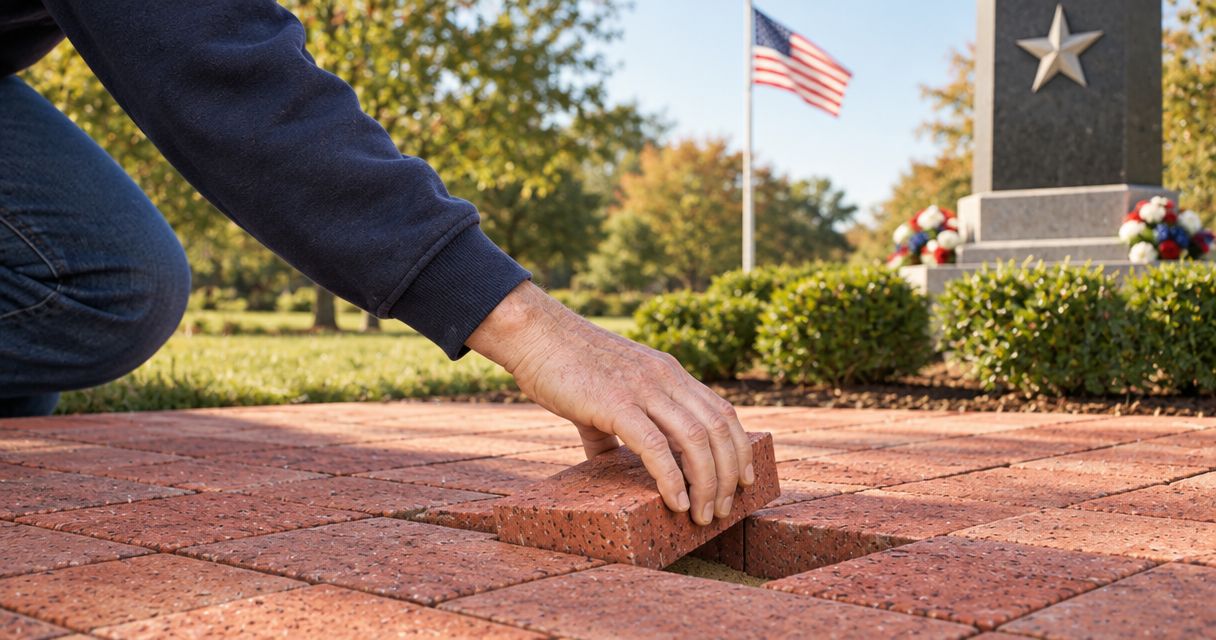
1. Community honor walk: best for shared public recognition
A community honor walk places engraved tributes along a designated route or gathering area. Municipalities and community memorial committees can use it to recognize veterans within a shared civic setting rather than treating each inscription as an isolated feature.
Start with the property owner's permission. Then agree on a layout that leaves a defined place for later additions without implying that future installation dates are guaranteed.
Community honor walk pros:
- Brings individual names into a shared public tribute.
- Gives organizers a clear place for dedication gatherings.
- Supports a planned sequence for future recognition.
Community honor walk cons:
- Public sites require coordination with the responsible authority.
- An unplanned expansion can disrupt the original arrangement.
Best for: Municipalities and community groups seeking a common place to honor local veterans.
Verdict: Buy only after the site owner approves the location, installation approach, and future-addition plan.
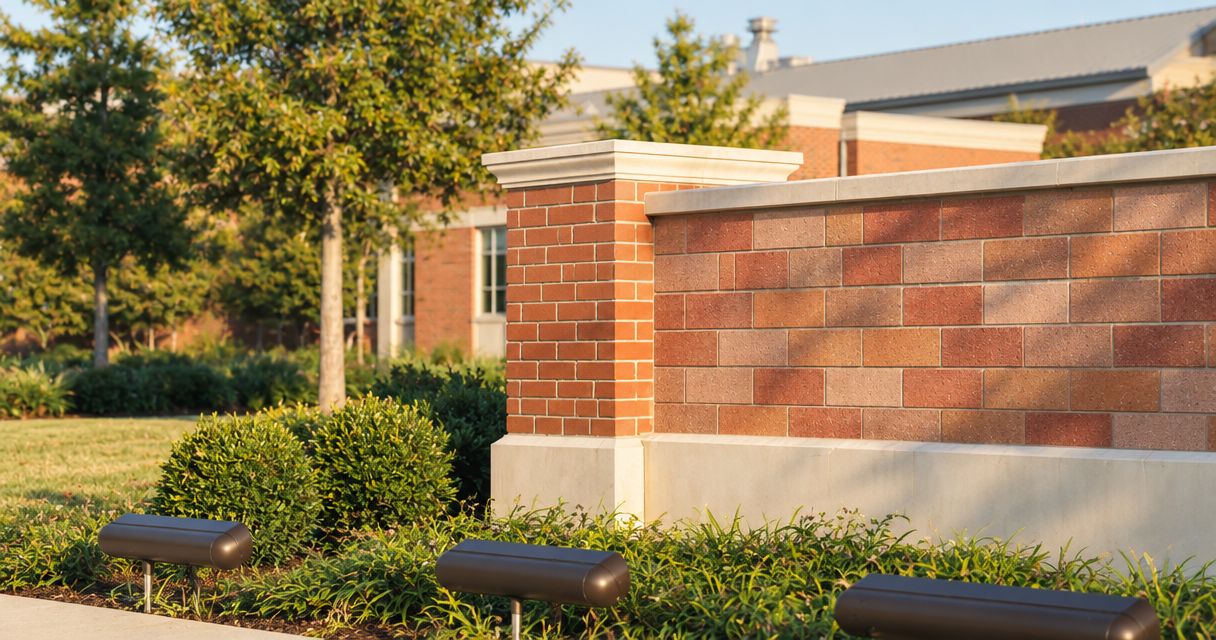
2. Nonprofit tribute garden: best for quiet reflection
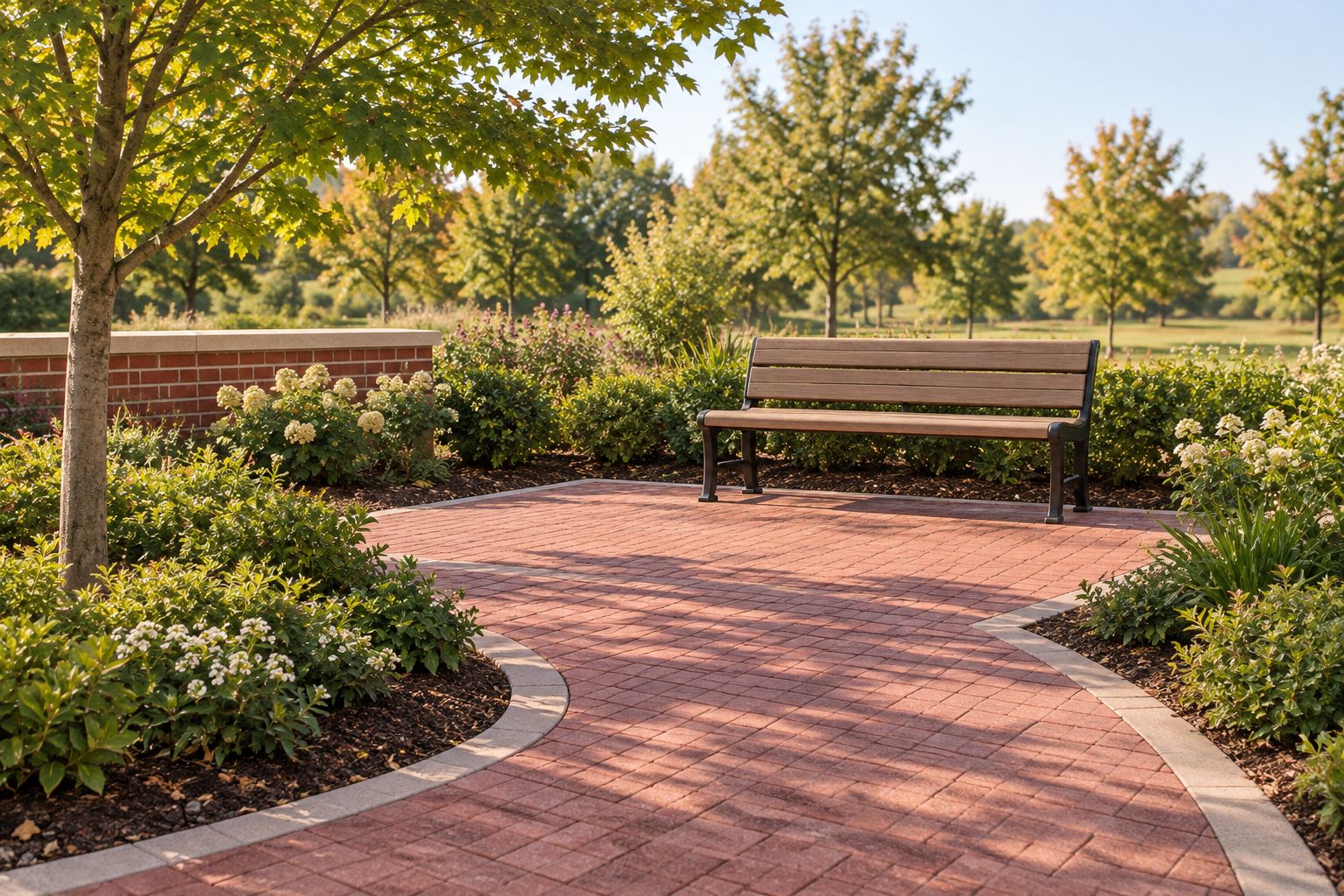
A nonprofit tribute garden combines memorial bricks with a setting intended for remembrance. Give visitors somewhere to pause, and ask the site team to review how planting, watering, and routine grounds work will interact with the engraved area.
For a 2026 launch, settle maintenance responsibilities before promoting the garden. The dedication is an event; the garden remains an ongoing obligation.
Nonprofit tribute garden pros:
- Creates a distinct place for personal remembrance.
- Connects recognition with the nonprofit's community purpose.
- Allows families to visit outside a formal ceremony when site access permits.
Nonprofit tribute garden cons:
- Planting and hardscape require coordinated care.
- A secluded location needs clear visitor directions and access planning.
Best for: Nonprofits planning a reflective memorial rather than a busy gathering route.
Verdict: Buy after assigning responsibility for both the engraved area and the surrounding garden.
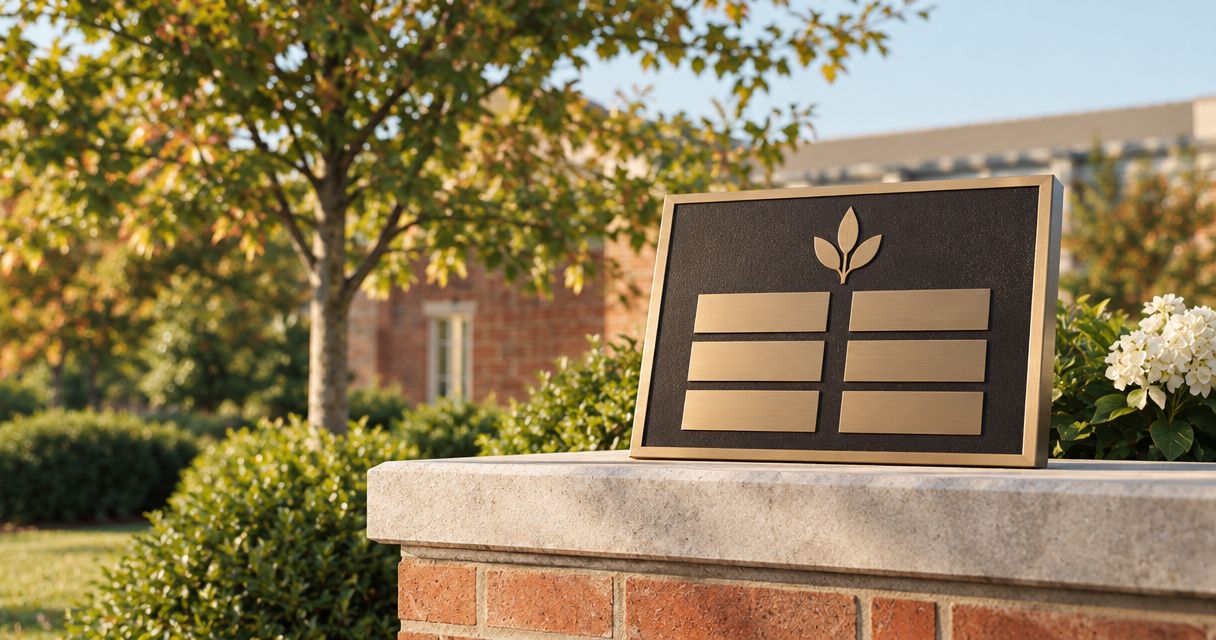
3. Recognition wall: best for limited ground space
A recognition wall places tributes on a vertical surface instead of within a walkway. Community centers and organizations without a suitable ground-level site can evaluate this approach with the building owner and installer.
Do not assume every brick or tile works on every wall. Bricks R Us lists Granite Tiles and Marble Tiles as primarily used for wall surfaces; confirm the material and mounting requirements for your particular location.
Recognition wall pros:
- Provides an alternative to a ground-level memorial.
- Groups inscriptions within a defined display area.
- Can separate recognition from pedestrian routes.
Recognition wall cons:
- Depends on a suitable surface and installation plan.
- Future additions need reserved space or an agreed extension layout.
Best for: Organizations with an approved wall but limited suitable ground space.
Verdict: Hold until the property owner and installer confirm the proposed material and mounting method.
4. Campus service tribute: best for education and alumni connection
A school or university tribute can honor veterans connected to its community. Write eligibility rules before collecting submissions: decide whether the project includes alumni, employees, family members, or another clearly defined group.
Keep educational interpretation separate from individual inscriptions. A supporting explanation can describe the project's purpose without asking each brick to carry a full service history.
Campus service tribute pros:
- Connects remembrance with the institution's community.
- Gives student and alumni groups a shared project.
- Supports consistent recognition across future submission rounds.
Campus service tribute cons:
- Broad eligibility can become difficult to administer.
- Committee turnover requires reliable records and handover notes.
Best for: Schools and universities creating an ongoing service-recognition tradition.
Verdict: Buy once eligibility, inscription approval, and record ownership are documented.
5. Church remembrance courtyard: best for congregational remembrance
A church courtyard offers a setting for honoring veterans connected to the congregation. Decide whether participation extends to neighbors and other community members before announcing the project.
Agree on religious wording, memorial language, and treatment of living honorees. Give families a respectful alternative when their preferred wording does not fit the approved inscription format.
Church remembrance courtyard pros:
- Connects remembrance with an existing faith community.
- Gives pastoral and volunteer teams a defined role in family communication.
- Creates a place for personal visits and organized remembrance.
Church remembrance courtyard cons:
- Religious language needs a consistent approval policy.
- Congregational eligibility can exclude families unless broader participation is planned.
Best for: Churches seeking a family-centered tribute within their own grounds.
Verdict: Buy after church leadership approves participation rules and inscription guidance.
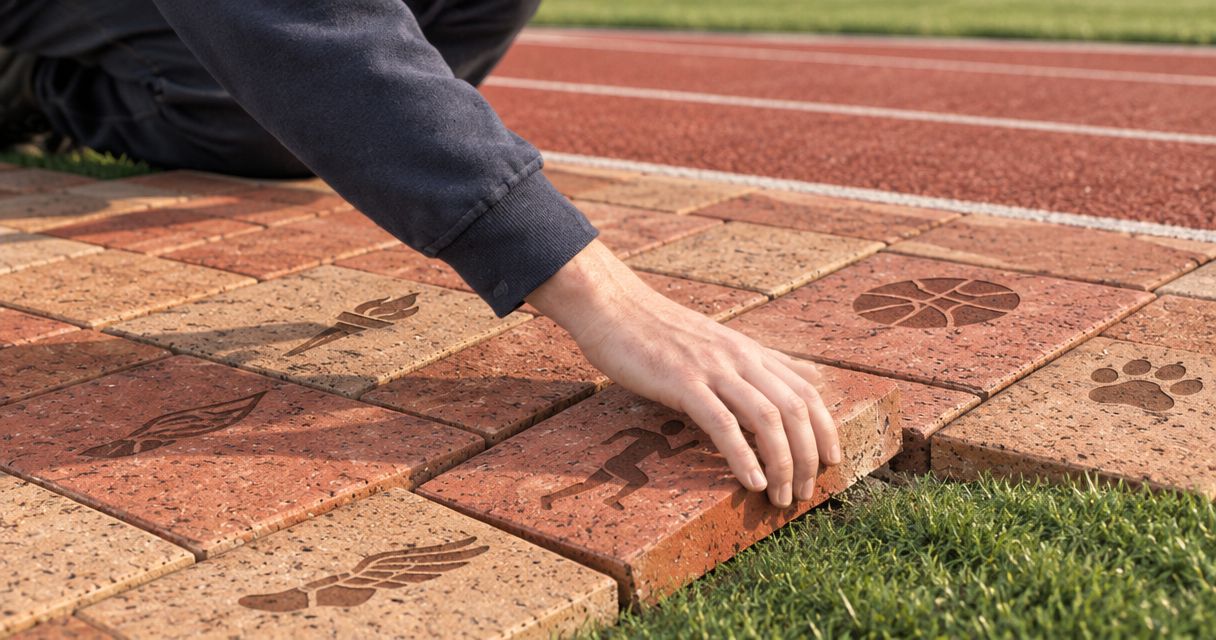
6. Sports venue tribute: best for team-connected recognition
A sports organization can honor veterans among former players, coaches, volunteers, and supporters. Choose a location where visitors can stop without blocking an entrance, queue, or active team area.
For a 2026 dedication, review the venue calendar before publishing an event date. Coordinate the tribute with site access and installation planning rather than assuming it can be completed between fixtures.
Sports venue tribute pros:
- Connects service recognition with an established club community.
- Gives teams and supporters a shared remembrance project.
- Creates a defined place to recognize veterans beyond game-day announcements.
Sports venue tribute cons:
- Crowds and event noise can interrupt reflection.
- Venue schedules complicate installation and dedication planning.
Best for: Sports clubs and athletic organizations honoring veterans within their membership or supporter community.
Verdict: Hold until venue management approves the location and project schedule.
How these approaches are ranked
The community honor walk is the default recommendation because it directly serves shared public recognition. The other formats address distinct needs: reflection, limited ground space, education, faith-community remembrance, and sports-community connection.
The order reflects those use cases and the criteria above. It is not a claim about fundraising performance, installation durability, or donor participation.
Turn the chosen format into an approval plan
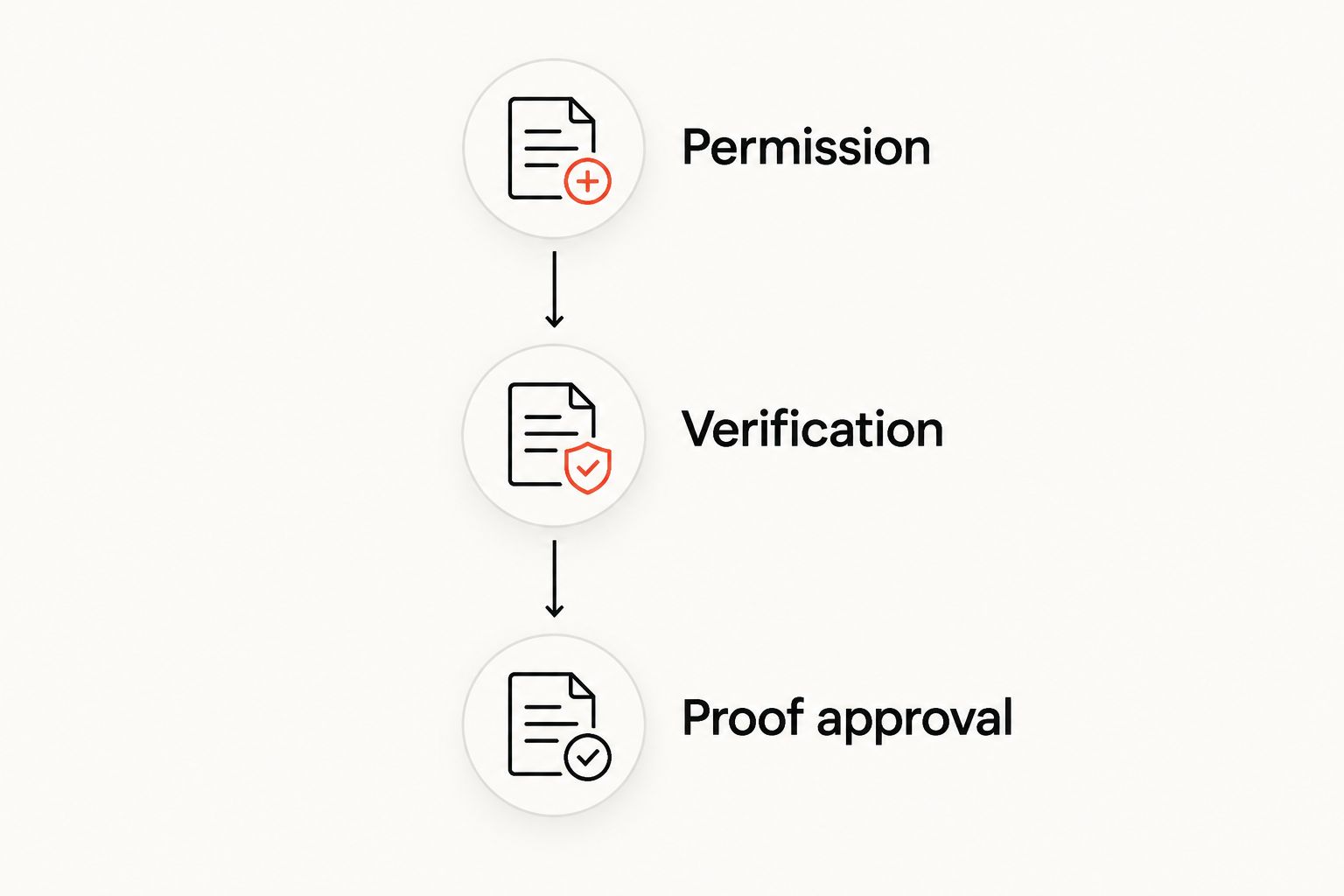
Use 3 approval stages before ordering: permission, verification, and proof approval. Assign 1 named coordinator to maintain the final record, even when several volunteers help collect submissions.
Permission
Confirm site ownership, project authority, and the process for family or honoree approval. Explain where the inscription will appear and how visitors will encounter it. Do not collect a story for public display without clarifying what the submitter has authorized.
Verification
Keep 2 separate lists: the public inscription record and the private contact record. Check names, branch of service, and any submitted dates against the information the family or honoree approves; do not fill gaps from memory.
Proof approval
Ask the designated approver to review the exact inscription, including spelling, punctuation, and line breaks. Record approval before ordering, then keep the approved version with the project files. If wording changes afterward, repeat approval rather than relying on a verbal update.
Which veterans memorial approach should you choose?
Choose a community honor walk unless your site's purpose points clearly elsewhere. Select a garden for quiet visits, a wall when ground space is unsuitable, or a campus, church, or sports tribute when that community connection defines eligibility.
Before placing your 2026 order, ask Bricks R Us for a free sample brick and discuss the proposed setting. Use the sample to review the physical item with your committee; use your approval records to confirm what will be engraved.
FAQ
What's the best way to use memorial bricks for veterans?
A community honor walk is the default choice for shared public recognition. Choose a tribute garden for quiet reflection or a recognition wall when suitable ground space is limited.
Can we honor living veterans as well as deceased veterans?
Your organization can plan recognition for both living and deceased veterans. State that scope clearly and use wording that does not describe a living honoree as deceased.
What should we put on a veteran's memorial brick?
Use the name and service details approved by the honoree or designated family contact. Confirm the inscription limits for the selected product before collecting final wording.
Should every veteran's brick include rank and service dates?
Include rank and service dates only when they are verified, approved, and fit the chosen inscription format. A shorter accurate inscription is better than a longer one containing uncertain details.
Are memorial walls better than brick walkways?
A memorial wall is better suited to a project with an approved vertical surface but limited suitable ground space. A walkway serves a different purpose by arranging recognition along a shared route.
How do we handle inscriptions sponsored by someone outside the family?
Require approval from the honoree or your designated family contact before ordering. Sponsoring a tribute should not automatically grant authority to decide its public wording.
What should we check before ordering veterans memorial bricks?
Confirm site permission, material suitability, inscription approval, installation responsibility, and ongoing care. Keep a final approved record for every inscription.
How can our committee evaluate a brick before choosing?
Request a free sample brick from Bricks R Us and review it with the people responsible for the project. Discuss the intended setting and confirm requirements before choosing the final product.
One last thing
Keep donor recognition separate from the veteran's approved tribute. A sponsor's business name, a fundraising message, and a person's service record serve different purposes. Decide where each belongs before opening submissions, so families never have to negotiate that distinction after an order is placed.