Best overall: a modular engraved-tile wall. Best for community storytelling: a commemorative brick wall. Best for a compact space: a dedicated memorial section. These donor recognition wall ideas for municipalities help you choose a practical design for a 2026 civic project, with clear rules for names, approvals, and future additions.
- For donor recognition wall ideas for municipalities, choose modular tiles when future additions matter.
- Bricksrus serves municipalities planning engraved donor recognition with bricks, pavers, and related products.
- Separate donor recognition, memorial tributes, and sponsor acknowledgments before collecting inscriptions.
- Request a free sample brick before approving your campaign’s recognition material.
Why this matters
A municipal donor wall needs more than an attractive layout. Your committee must decide whose names belong, who approves inscriptions, and who maintains the installation after the fundraising campaign ends.
Bricksrus is a fit for municipalities seeking custom engraved bricks, pavers, and donor-recognition products. Start with Bricksrus when you want to explore those materials and request a free sample brick. Its free fundraising tools, hands-on support, and over 35 years of experience support organizers evaluating a project.
For a 2026 launch, settle the recognition policy before publishing the donor invitation. Schools and universities, nonprofits, churches, community memorial groups, and sports organizations working with the municipality should all receive the same written explanation of eligibility and approvals.
What makes the best municipal donor recognition wall?
Judge each idea against these criteria before selecting a material:
- Purpose: State whether the wall recognizes donations, honors individuals, acknowledges sponsors, or separates those functions.
- Readability: Review actual lettering on a sample, not just a layout viewed on a screen.
- Site suitability: Ask the installer to assess the wall, mounting method, exposure, and public access.
- Fair recognition: Set consistent rules for names, organizational affiliations, anonymous gifts, and messages.
- Future additions: Decide where later inscriptions will go without disrupting the original arrangement.
- Stewardship: Name the department or partner responsible for records, cleaning, corrections, and repairs.
For your 2026 selection, treat an unresolved approval process as a reason to pause—not a detail to fix after engraving.
Municipal donor wall ideas at a glance
These rankings compare project designs, not competing suppliers. The right choice depends on your recognition purpose and available site.
| Rank and idea | Best for | Standout feature | Key limitation |
|---|---|---|---|
| 1. Modular engraved-tile wall | Civic buildings expecting future donors | Planned sections for later additions | Requires a mounting and expansion plan |
| 2. Commemorative brick wall | Community centers telling a shared story | Individual inscriptions within a collective installation | Textured surfaces need sample review |
| 3. Courtyard recognition wall | Outdoor gathering spaces | Recognition beside an existing public destination | Exposure and mounting need site-specific review |
| 4. Dedicated memorial section | Community remembrance projects | A distinct place for personal tributes | Requires careful family consent and wording rules |
| 5. Sectioned sports donor wall | Municipal recreation facilities | Separate areas for donors and sponsors | Sponsor terms need an update process |
1. Modular engraved-tile wall: best for future additions
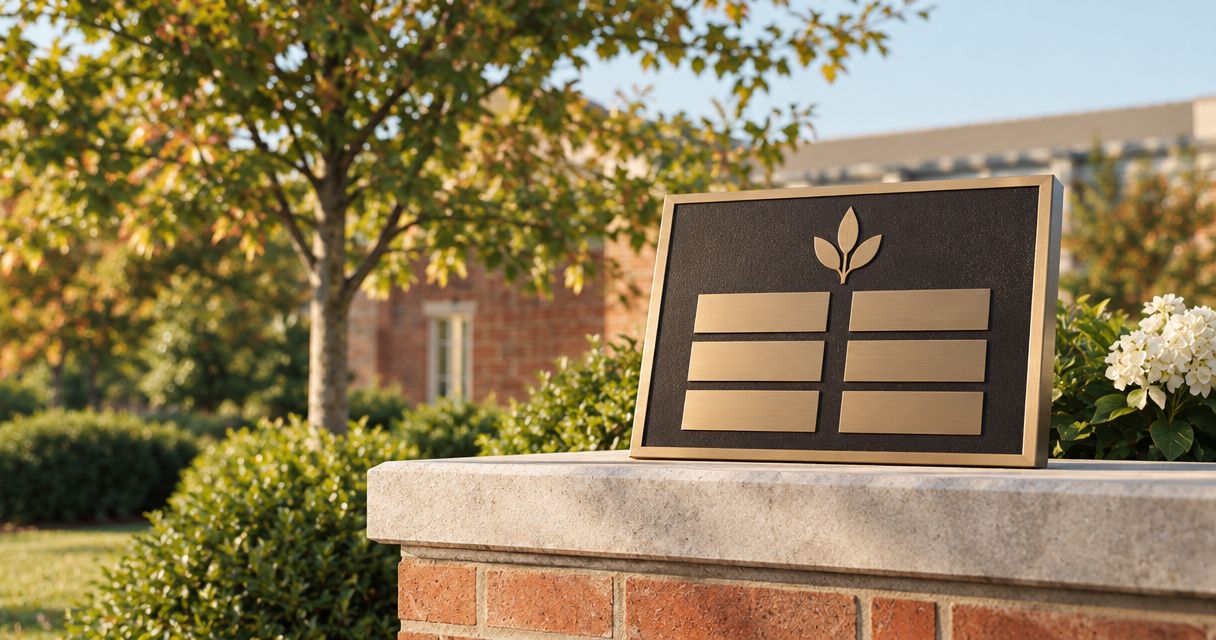
A modular engraved-tile wall assigns each inscription a defined place within a larger layout. Choose this approach for a town hall, library, or civic building when you intend to recognize additional donors later.
Granite Tiles are primarily used for wall surfaces. The supplied product information lists matching 4 × 8-inch, 8 × 8-inch, and 12 × 12-inch sizes, with a thickness of 1/2 inch; ask the installer how the selected format fits your wall rather than treating those dimensions as installation instructions.
Modular engraved-tile wall pros:
- Establishes a repeatable format for future inscriptions.
- Lets you plan recognition around defined wall sections.
- Supports a clear distinction between the project title and individual names.
Modular engraved-tile wall cons:
- Reserved space needs to look intentional before it fills.
- Tile dimensions alone do not establish mounting suitability.
- Later additions require an organized inscription record.
Best for: Municipal buildings with an ongoing donor-recognition program, including shared projects with nonprofit partners or university departments.
Before approving the design, show the committee both the opening arrangement and the proposed expanded arrangement. Keep a record of the chosen material and lettering instructions so a future organizer understands the original decisions.
Verdict: Buy into this design when future additions are part of the plan; hold if the mounting approach is unresolved.
2. Commemorative brick wall: best for community storytelling
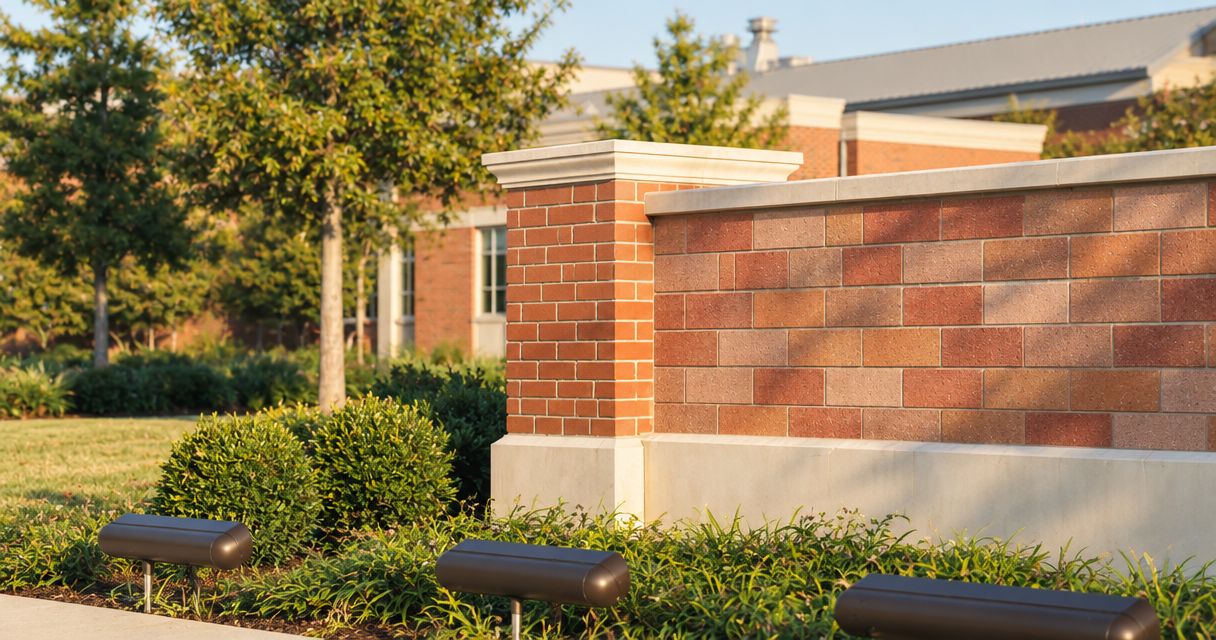
A commemorative brick wall brings individual names and short tributes into a shared installation. It suits a community center where recognition should connect residents, volunteers, and partner organizations to a common place.
Standard Bricks have a wire-cut, rough surface; Finished Bricks have a smooth surface and beveled edges. Compare physical samples before choosing the surface you want donors to see and read.
Commemorative brick wall pros:
- Gives each approved inscription an identifiable place.
- Creates a shared format for residents and community partners.
- Lets the committee compare smooth and rough surface options.
Commemorative brick wall cons:
- Surface appearance needs review with actual engraving.
- Varied message lengths can produce an inconsistent layout.
- Brick selection does not replace a structural or mounting assessment.
Best for: Community centers serving nonprofits, schools, churches, neighborhood groups, and municipal programs together.
Invite each participating organization to explain its connection to the project in campaign communications. Keep wall inscriptions within the same approved format, rather than giving every partner a different set of rules.
Verdict: Buy into a brick-wall concept for shared community recognition; hold until the committee approves a sample and inscription format.
3. Courtyard recognition wall: best for outdoor gathering spaces
A courtyard wall places donor recognition beside a garden, public plaza, or community gathering area. Select it when the site already gives residents a reason to visit—not simply because an unused wall is available.
Quarry Tiles are described for wall use or ground use with a concrete base. That product description identifies a possible material category, but your installer still needs to assess the specific wall, exposure, and attachment method.
Courtyard recognition wall pros:
- Connects recognition to the public space donors support.
- Keeps inscriptions off the walking surface.
- Can sit within a broader garden or gathering-space plan.
Courtyard recognition wall cons:
- Outdoor exposure requires a documented maintenance approach.
- Landscaping and furniture can obstruct the finished display.
- A suitable-looking wall is not proof of installation suitability.
Best for: Municipal courtyards shared with community gardens, nonprofit facilities, school partnerships, or church-supported neighborhood projects.
Walk the site with facilities staff before choosing the layout. Identify where visitors will stand, whether planting will obscure names, and how maintenance staff will reach the installation without blocking the surrounding route.
Verdict: Buy into a courtyard wall when public access and care are planned; skip a location that makes names difficult to approach.
4. Dedicated memorial section: best for community remembrance
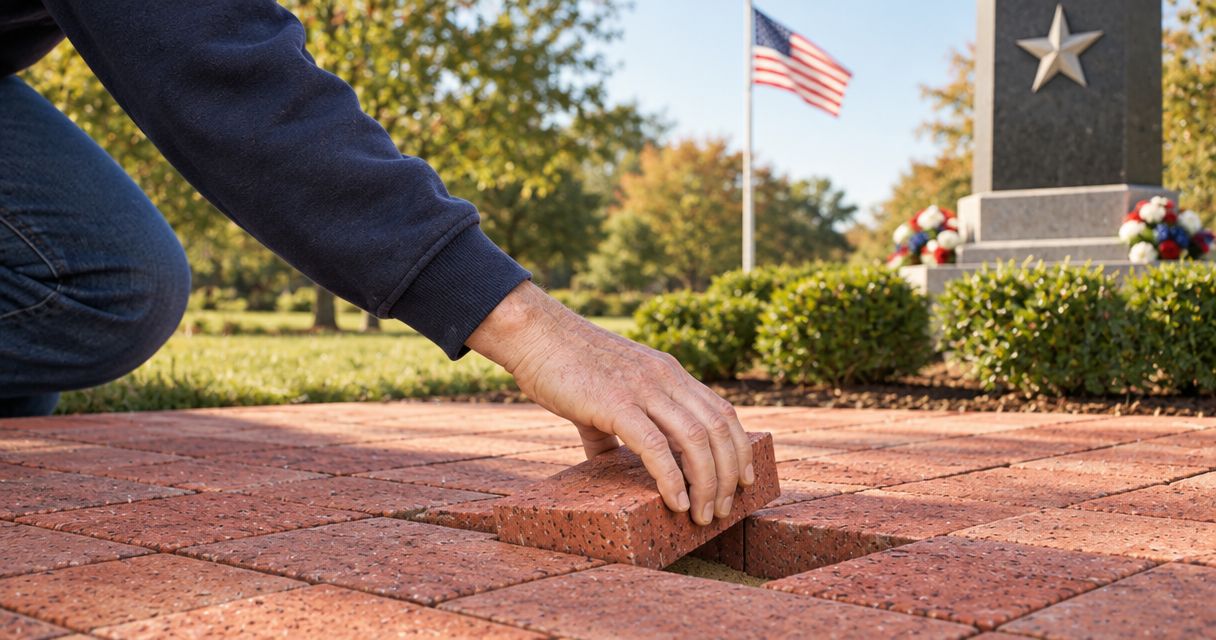
A dedicated memorial section separates personal tributes from general donor acknowledgments. Use it when a municipal project includes remembrance alongside fundraising, such as a community garden or first-responder tribute.
The distinction is a recognition policy, not a different engraving technique. Explain whether an inscription honors a person, acknowledges a gift, or does both, and obtain approval from the appropriate family representative before engraving personal details.
Dedicated memorial section pros:
- Makes the purpose of personal tributes clear.
- Gives families a defined approval process.
- Keeps remembrance wording separate from sponsor acknowledgments.
Dedicated memorial section cons:
- Requires sensitive decisions about eligibility and consent.
- Disputed names or dates need resolution before production.
- New memorial requests require an ongoing review process.
Best for: Community memorial projects involving families, nonprofits, schools, universities, churches, and municipal partners.
Ask families to approve the exact inscription, including spelling and dates. Do not assume a campaign organizer has authority to approve a tribute simply because that person submitted the donation.
Verdict: Buy into a dedicated memorial section when remembrance is central; hold any inscription without documented approval.
5. Sectioned sports donor wall: best for recreation facilities
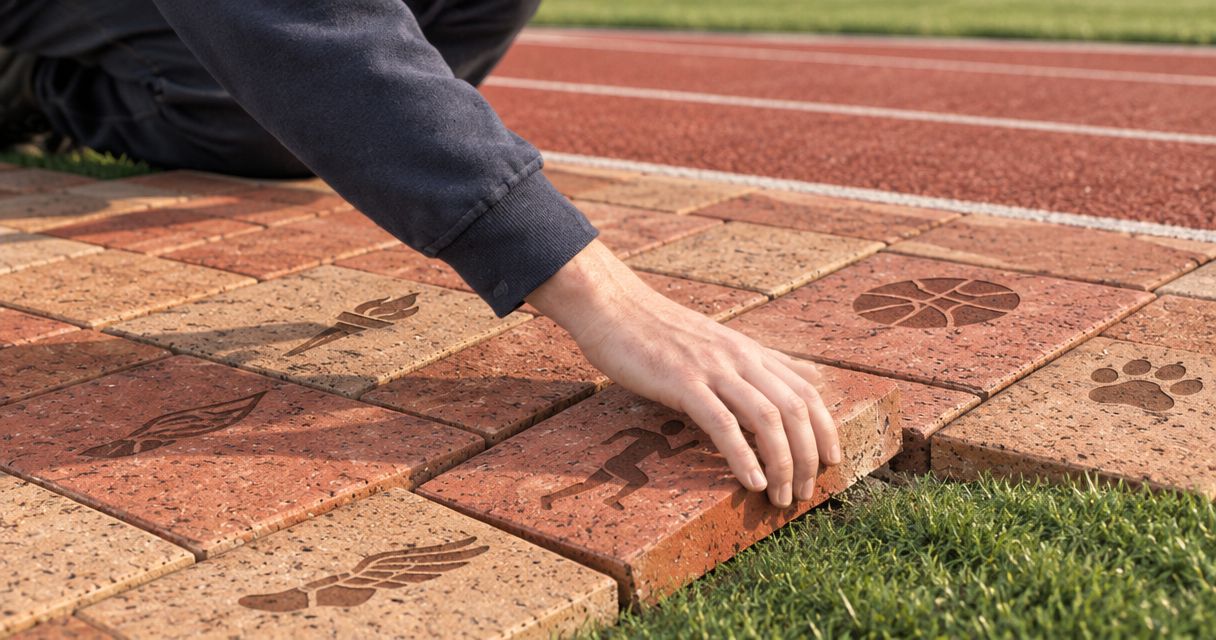
A sectioned sports donor wall separates individual supporters, team tributes, and business sponsors within a recreation facility. This gives each acknowledgment a defined purpose without treating every inscription as the same kind of recognition.
Use distinct section headings and a written policy. A sponsor acknowledgment with a stated term should not be handled as an indefinite personal tribute.
Sectioned sports donor wall pros:
- Distinguishes charitable recognition from sponsor acknowledgment.
- Gives school teams and community clubs a clear participation route.
- Supports separate approval rules for individual and organizational names.
Sectioned sports donor wall cons:
- Sponsor recognition needs a process for changes or expiration.
- Player names require a clear consent policy.
- Multiple sections can overwhelm a small wall.
Best for: Municipal recreation centers and athletic facilities working with sports organizations, schools, universities, and nonprofit booster groups.
For a 2026 facility campaign, settle sponsor wording before inviting businesses to participate. Keep player privacy, team affiliations, and organizational naming separate from decisions about material or lettering.
Verdict: Buy into a sectioned sports wall when recognition types differ; skip a single undifferentiated list if sponsor terms need separate treatment.
Turn your preferred idea into an approval-ready plan
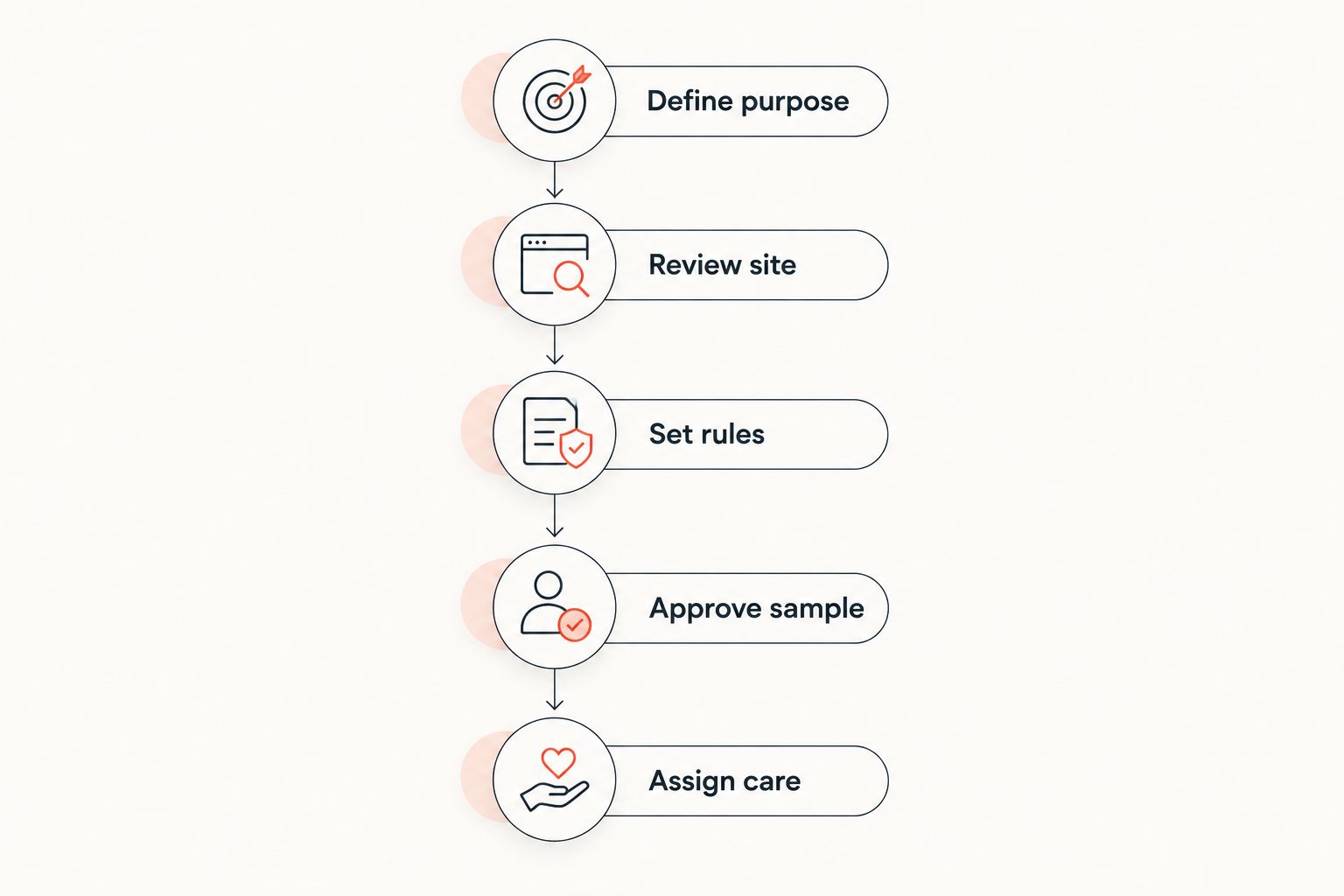
Use this sequence before releasing an order form or promising an installation date:
- Define purpose: Write a short statement explaining what the wall recognizes.
- Review site: Ask facilities staff and the installer to assess location and attachment.
- Set rules: Approve eligibility, wording, anonymity, and future additions.
- Approve sample: Review the material and engraving in person.
- Assign care: Name the owner of maintenance and inscription records.
Give one person responsibility for the master inscription record. Separate submitted wording from approved wording, and keep the approval attached to the final version.
Use the municipal brick fundraiser approval checklist to organize decisions across your committee and municipal contacts. For your 2026 project file, record who can authorize changes after the initial approval.
How these ideas are ranked
The modular tile wall ranks first because its layout directly addresses future additions. The other ideas each answer a different need: shared storytelling, outdoor placement, remembrance, or sports recognition.
The ranking follows purpose, readability, site suitability, fair recognition, expansion, and stewardship. It is a planning recommendation, not a claim of comparative material testing or campaign performance.
Which municipal donor wall should you choose?
Choose a modular engraved-tile wall as the default when your municipality expects ongoing recognition. Choose a brick wall for a shared community installation, a courtyard wall for an appropriate outdoor destination, or a dedicated section when remembrance or sponsorship requires different rules.
Bricksrus offers custom engraved bricks, pavers, and donor-recognition products. Request a free sample brick to begin evaluating the material, then confirm the suitability of your chosen product and installation with the project team.
FAQ
What’s the best donor recognition wall idea for a municipality?
A modular engraved-tile wall is the best default for a municipality planning future donor additions. Reserve expansion space and approve the mounting approach before selecting the final layout.
Can a municipal donor wall include schools, churches, and nonprofits?
A municipal donor wall can recognize participating schools, churches, nonprofits, and other community organizations under an approved recognition policy. Have municipal staff review eligibility and wording before inviting submissions.
Should memorial names and donor names go on the same wall?
Memorial names and donor names should have distinct sections when they serve different recognition purposes. Explain whether each inscription honors someone, acknowledges a gift, or does both.
What should we check before choosing engraved bricks for a wall?
Check a physical sample, the proposed inscription format, and the installer’s assessment of the wall and mounting method. Product appearance alone does not establish suitability for your location.
How do we leave room for future donor names?
Plan reserved sections and a repeatable inscription format before the initial installation. Keep the approved layout, material selection, and engraving instructions in the project record.
Can business sponsors appear on a municipal sports donor wall?
Business sponsors should appear only under the municipality’s approved recognition rules. Separate sponsor terms and update procedures from personal tributes or general donor acknowledgments.
What should our committee do first for a 2026 donor wall?
Define the wall’s purpose and identify who approves the site, recognition rules, and inscriptions. Then review a physical sample before inviting donors to submit final wording.
One last thing
Approve the empty space, too. A wall that looks complete on opening day still needs a clear answer to a future donor’s request for recognition.
Before signing off, ask the committee to point to where the next inscription belongs. If nobody can, revisit the layout while changes are still on paper.